
At TheHealthBoard, we're committed to delivering accurate, trustworthy information. Our expert-authored content is rigorously fact-checked and sourced from credible authorities. Discover how we uphold the highest standards in providing you with reliable knowledge.
What are Piles?
 Tricia Christensen
Tricia Christensen
Tricia Christensen
The term piles is synonymous for hemorrhoids, and is in common use in the UK. Typically in the US, people tend to refer to hemorrhoids as just that. Whatever the name, piles can be uncomfortable to live with, and are a relatively common occurrence, especially in people over 50, and for many younger folks as well.
Piles or hemorrhoids refer to small swollen veins around the anus and rectum. They can be visible, often looking like tiny bunches of grapes, or they may be located inside the rectum, and felt more than they are seen. There are a number of causes of hemorrhoids, which include the following:
- Hard bowel movements or constipation
- Pregnancy, labor, and delivery
- Obesity
- Long bouts of diarrhea
- Having to strain to produce bowel movements
- Sitting for long periods of time, especially on toilets
- Some people also seem more prone to hemorrhoids then others and may inherit genetic likelihood of hemorrhoid occurrence

Symptoms of piles include pain when going to the bathroom and after having a bowel movement. Some people may notice small drops of blood on toilet tissue when they wipe. In very severe cases, a blood clot can form in an exterior hemorrhoid, causing a stroke. For this reason alone, any suspected case of hemorrhoids requires medical investigation.

Oftentimes piles are diagnosed simply by looking at the anus. A doctor may choose to do an anal examination if exterior hemorrhoids are not present. If you’ve notice blood in your stool or on tissues after bowel movements, this may prompt the doctor to do a colonoscopy or rectal examination with a camera to check for internal bleeding caused by polyps rather than piles. Black stool or extreme gushing of blood may not be caused by hemorrhoids but can be caused by internal bleeding or can indicate intestinal or colon cancer, requiring more immediate testing, especially if blood loss is significant.

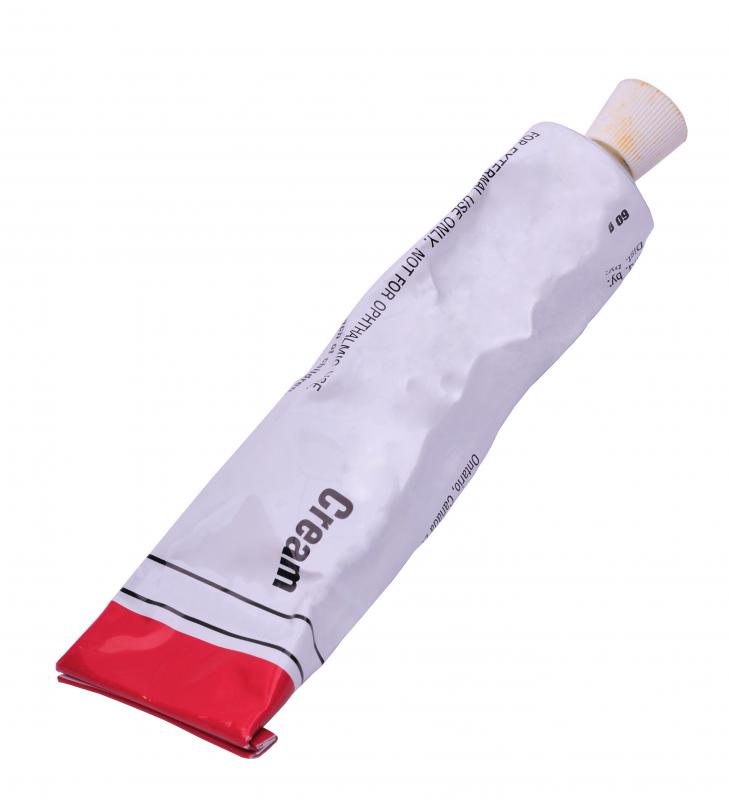
Treatment of the condition may be home based, and involves changes in behavior in addition to several steps used to reduce discomfort while hemorrhoids are healing. For instance staying hydrated, taking fiber supplements and getting more exercise are recommended for mild cases. People with this condition are advised not to strain when trying to have a bowel movement, and to avoid long periods of sitting. Over the counter hemorrhoid creams, and products like witch hazel may be recommended to help with immediate relief. You can also ice the area, for no longer than 20 minutes at a time, several times a day to help reduce inflammation.

In some cases, hemorrhoids are large and require removal. There are several techniques used to remove them or reduce them. Most common of these is rubber band ligation, when a doctor places tightened bands around each cluster of inflamed veins to cut off circulation to the veins, causing the veins to die.
A physician can also use infrared light to achieve the same effect in a shorter time period, or a procedure called sclerotherapy, where chemicals are injected into the hemorrhoids to cause them to shrink. Some people continue to have large piles that aren’t resolved. These may be surgically removed in a procedure called a hemorrhoidecotomy.
Tricia Christensen
Tricia has a Literature degree from Sonoma State University and has been a frequent TheHealthBoard contributor for many years. She is especially passionate about reading and writing, although her other interests include medicine, art, film, history, politics, ethics, and religion. Tricia lives in Northern California and is currently working on her first novel.
Learn more...
Tricia Christensen
Tricia has a Literature degree from Sonoma State University and has been a frequent TheHealthBoard contributor for many years. She is especially passionate about reading and writing, although her other interests include medicine, art, film, history, politics, ethics, and religion. Tricia lives in Northern California and is currently working on her first novel.
Learn more...AS FEATURED ON:
AS FEATURED ON:


-
![The witch hazel plant provides the astringent commonly used to cleanse and disinfect skin.]() By: dianamowerThe witch hazel plant provides the astringent commonly used to cleanse and disinfect skin.
By: dianamowerThe witch hazel plant provides the astringent commonly used to cleanse and disinfect skin. -
![Labor and child birth may cause piles.]() By: ollyLabor and child birth may cause piles.
By: ollyLabor and child birth may cause piles. -
![Over the counter hemorrhoid cream may provide almost instant relief from piles.]() By: carroteaterOver the counter hemorrhoid cream may provide almost instant relief from piles.
By: carroteaterOver the counter hemorrhoid cream may provide almost instant relief from piles. -
![Adequate hydration can make it easier to pass stool.]() By: anyaivanovaAdequate hydration can make it easier to pass stool.
By: anyaivanovaAdequate hydration can make it easier to pass stool. -
![Piles are inflamed veins around the anus or rectum.]() By: Alexandr MitiucPiles are inflamed veins around the anus or rectum.
By: Alexandr MitiucPiles are inflamed veins around the anus or rectum. -
![People who sit for prolonged periods of time on the toilet are more likely to develop piles.]() By: afxhomePeople who sit for prolonged periods of time on the toilet are more likely to develop piles.
By: afxhomePeople who sit for prolonged periods of time on the toilet are more likely to develop piles.




Discussion Comments
I'm all in favor of eating well and having medical help, but I also like to use natural remedies when treating piles. There are lots of vegetables for instance which can be applied to the external piles, reducing the swelling and discomfort.
@Valencia - I agree with your suggestion about adding more high fiber foods to the meals we eat. This is one thing most people could do quite easily, though they should also take on board the other ideas given too.
It is important to make sure you know which everyday foods provide the most fiber, as surveys have shown people are often confused about this. I know I was surprised to learn that a single cup of raspberries has over four times the fiber of two figs!
I firmly believe in seeking medical advice and taking piles medicine as required. However, we owe it to ourselves to be responsible for helping our bodies out as much as possible.
Thanks for writing a straightforward and informative article on this topic.
In terms of the best treatment for piles, I think it is important to increase the amount of natural fiber in your diet. Although many sufferers may avoid any action which encourages the fear and pain involved, this is the easiest way to avoid the problem returning.
Post your comments