
At TheHealthBoard, we're committed to delivering accurate, trustworthy information. Our expert-authored content is rigorously fact-checked and sourced from credible authorities. Discover how we uphold the highest standards in providing you with reliable knowledge.
What are Phalanges?
Phalanges, or phalanx bones, are the bones that make up the fingers and toes. Humans have fourteen phalanx bones, three for every finger and toe, except for the thumbs and big toes which have only two. Each phalanx bone in the hand or foot is connected to the others by a joint or knuckle.
The function of the hand phalanges is to provide dexterity to the hand; foot phalanges help provide stability to the foot and disperse weight. The fingers and toes, or digits, have a network of muscles which insert along the bones and attach to various portions of the hand or wrist, depending on its function or primary purpose. A muscle insertion is the location where the muscles attach to a location to be moved when the muscle contracts or tightens.

The phalanges have muscle insertions to bones and to other muscles. A muscle insertion which joins the muscle to a bone is called a tendon. A ligament is the attachment of a muscle to another muscle. Some small muscles of the fingers attach to the carpal or wrist bones. Longer muscles extend from the fingers to the forearm to allow for the simultaneous movement of the fingers, hand and wrist.

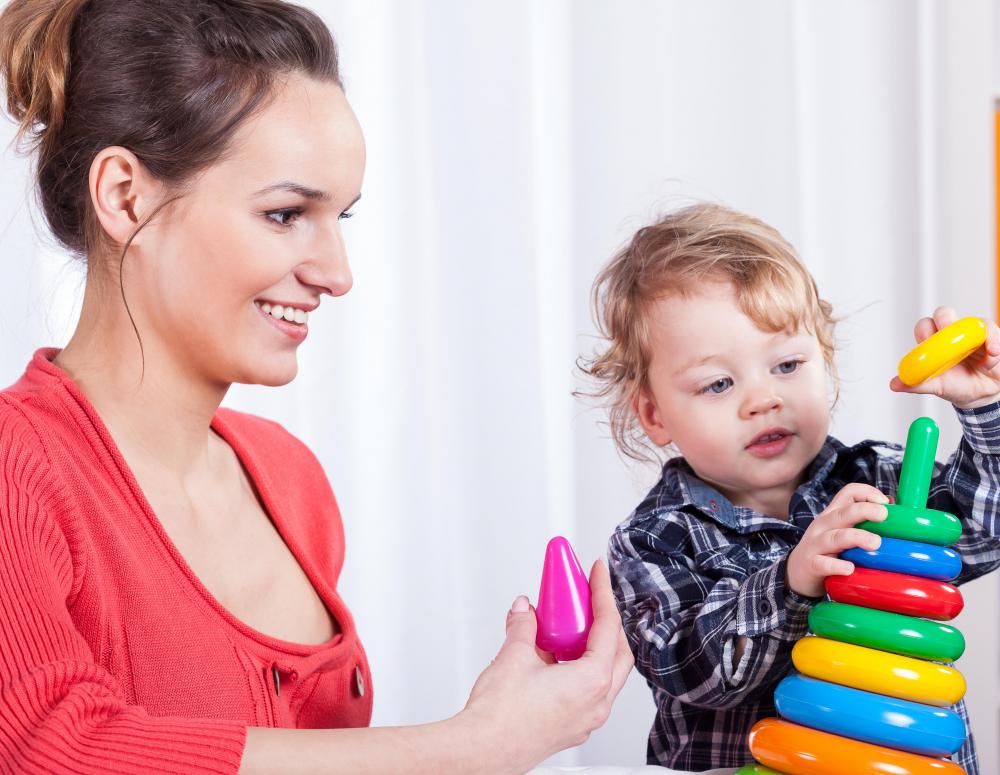
The fingers are responsible for the fine motor skills of the hand and also assist with gross motor skills, the ability to control large muscle groups. Transferring an object from one hand to another is an example of a gross motor skill. The ability of the phalanges to move independently makes it possible for the hand and fingers to perform fine motor skills. A fine motor skill is the ability to coordinate smaller muscles to perform more precise actions. Typing, knitting or playing an instrument are examples of fine motor skills made possible by the manual dexterity of the phalanges.

Injuries to the phalanges can occur through injuries or overuse, though the foot phalanges are more often injured by trauma. Muscle sprains and strains can occur in the fingers and toes, as can a dislocation or a luxation. This is a situation in which the bones separate at the joint.
AS FEATURED ON:
AS FEATURED ON:


-
![A finger with a broken phalanx bone is typically set in a splint to prevent movement.]() By: Rob ByronA finger with a broken phalanx bone is typically set in a splint to prevent movement.
By: Rob ByronA finger with a broken phalanx bone is typically set in a splint to prevent movement. -
![The fingers of the human hand contain phalanges.]() By: Alila Medical MediaThe fingers of the human hand contain phalanges.
By: Alila Medical MediaThe fingers of the human hand contain phalanges. -
![Damage to the phalanx bones in the hand could make it difficult to grip a toothbrush.]() By: Photographee.euDamage to the phalanx bones in the hand could make it difficult to grip a toothbrush.
By: Photographee.euDamage to the phalanx bones in the hand could make it difficult to grip a toothbrush. -
![The foot phalanges are more often injured by trauma than those of the hand.]() By: eAlisaThe foot phalanges are more often injured by trauma than those of the hand.
By: eAlisaThe foot phalanges are more often injured by trauma than those of the hand. -
![Phalanges enable fine motor skills for tasks like knitting.]() By: apelaviPhalanges enable fine motor skills for tasks like knitting.
By: apelaviPhalanges enable fine motor skills for tasks like knitting. -
![Fine motor activities are carried out using the fingers.]() By: Petro FeketaFine motor activities are carried out using the fingers.
By: Petro FeketaFine motor activities are carried out using the fingers. -
![Babies and toddlers begin to develop motor skills that require coordination of the fingers.]() By: Photographee.euBabies and toddlers begin to develop motor skills that require coordination of the fingers.
By: Photographee.euBabies and toddlers begin to develop motor skills that require coordination of the fingers. -
![The phalanges may suffer from strains and dislocations.]() By: DronThe phalanges may suffer from strains and dislocations.
By: DronThe phalanges may suffer from strains and dislocations. -
![Phalanges include the bones that make up the toes.]() By: schankzPhalanges include the bones that make up the toes.
By: schankzPhalanges include the bones that make up the toes. -
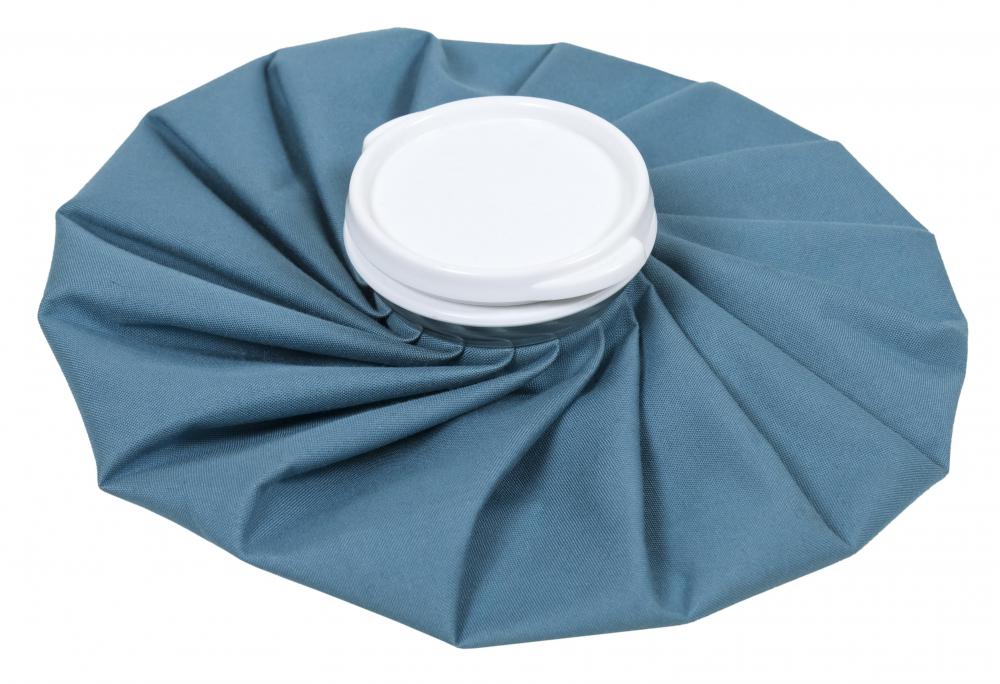
![An ice pack may help ease the pain associated with muscle sprains that occur in the phalanges.]() By: Dani SimmondsAn ice pack may help ease the pain associated with muscle sprains that occur in the phalanges.
By: Dani SimmondsAn ice pack may help ease the pain associated with muscle sprains that occur in the phalanges. -
![Injuries to the phalanges may require bandaging to prevent further injury and promote healing.]() By: NorGalInjuries to the phalanges may require bandaging to prevent further injury and promote healing.
By: NorGalInjuries to the phalanges may require bandaging to prevent further injury and promote healing. -
![Treatment for injury to the foot phalanges may include rest and elevation.]() By: nyulTreatment for injury to the foot phalanges may include rest and elevation.
By: nyulTreatment for injury to the foot phalanges may include rest and elevation.









Discuss this Article
Post your comments