
At DelightedCooking, we're committed to delivering accurate, trustworthy information. Our expert-authored content is rigorously fact-checked and sourced from credible authorities. Discover how we uphold the highest standards in providing you with reliable knowledge.
What are Pasteurized Shell Eggs?
 Mary McMahon
Mary McMahon
Mary McMahon
Pasteurized shell eggs are eggs that have been treated to eliminate harmful bacteria, like salmonella, along with zoonotic viruses, such as avian influenza. Companies that pasteurize their eggs claim that they behave and taste just like regular eggs in recipes, but they are safer, since the risk of disease has been eliminated or at least greatly reduced. Eggs that have been pasteurized before sale are commonly marked with a special stamp so that they are very easy to recognize and identify.
Pasteurization is a process that involves heating a substance to a temperature that is too high for bacteria and viruses to survive. It is most commonly used to treat milk to keep it safe to drink and extend its shelf life, and it is also used to treat various egg products. The application of this technology to eggs sold raw and in their shells started in the late 20th century in Europe before spreading to other regions of the world.

Making pasteurized shell eggs is a bit tricky. The goal is to kill any harmful bacteria or viruses in and on the eggs without actually cooking the eggs, and this requires special equipment with very precise temperatures and timing mechanisms. For this reason, it is not possible to do at home.
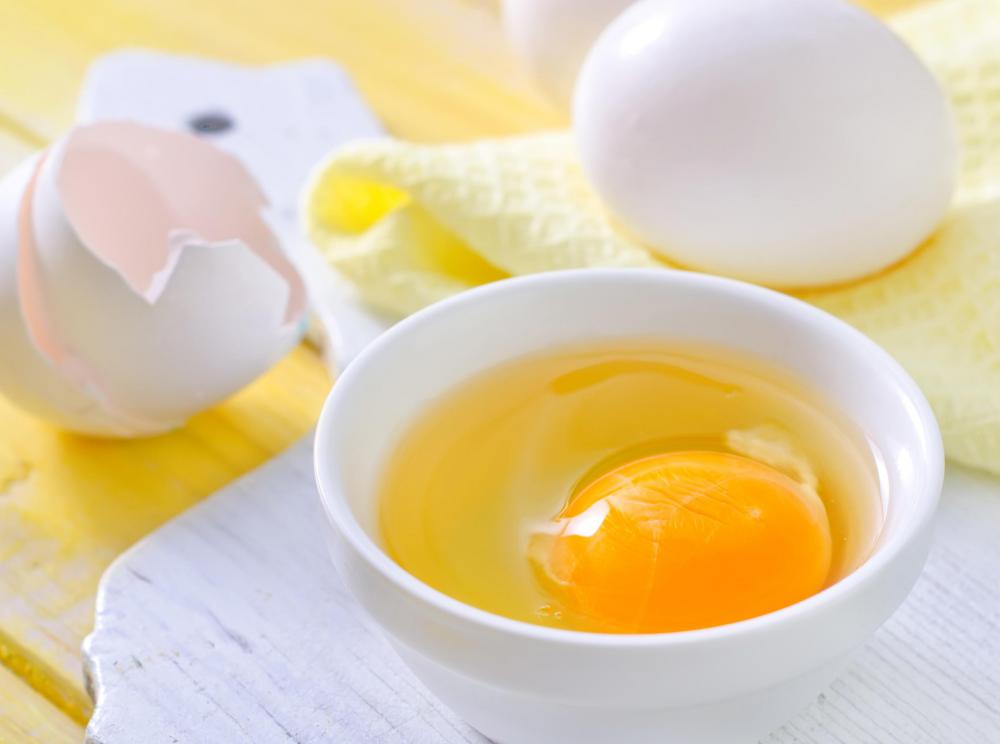
Because these eggs have been pasteurized, they can be used in any way the cook wants. Many cooks avoid using raw eggs in dishes out of concern about food-borne illness. Pasteurized products remove this risk, allowing cooks to make things like egg nog and Caesar dressing in the traditional way, with raw eggs rather than partially cooked eggs or egg replacements. They can also, of course, be cooked in baked goods, scrambled eggs, quiches, and so forth.

According to the United States Department of Agriculture, no one should eat raw eggs, especially pregnant women, young children, the elderly, and people with depressed immune systems. Salmonella and other bacteria can be found both inside the egg and on the shell itself, making it difficult to avoid; it is also important for cooks to handle raw eggs carefully in the kitchen to avoid cross-contamination. Pasteurized shell eggs, however, are safe to eat when raw.
Mary McMahon
Ever since she began contributing to the site several years ago, Mary has embraced the exciting challenge of being a DelightedCooking researcher and writer. Mary has a liberal arts degree from Goddard College and spends her free time reading, cooking, and exploring the great outdoors.
Learn more...
Mary McMahon
Ever since she began contributing to the site several years ago, Mary has embraced the exciting challenge of being a DelightedCooking researcher and writer. Mary has a liberal arts degree from Goddard College and spends her free time reading, cooking, and exploring the great outdoors.
Learn more...AS FEATURED ON:
AS FEATURED ON:


-
![Caesar salad dressing contains raw eggs, but pasteurizing the shells can remove much of the risk of illness.]() By: elnarizCaesar salad dressing contains raw eggs, but pasteurizing the shells can remove much of the risk of illness.
By: elnarizCaesar salad dressing contains raw eggs, but pasteurizing the shells can remove much of the risk of illness. -
![A carton of a dozen raw eggs with pasteurized shells.]() By: CrackerClipsA carton of a dozen raw eggs with pasteurized shells.
By: CrackerClipsA carton of a dozen raw eggs with pasteurized shells. -
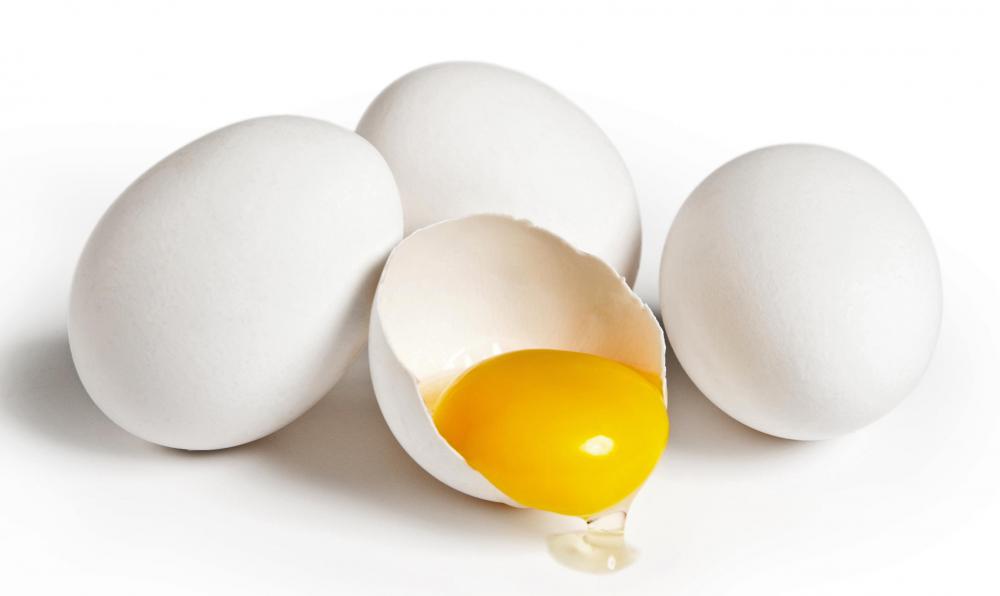
![Pasteurized shell eggs -- which have been treated to eliminate harmful bacteria and zoonotic viruses -- are considered safe to eat raw.]() By: vitalsPasteurized shell eggs -- which have been treated to eliminate harmful bacteria and zoonotic viruses -- are considered safe to eat raw.
By: vitalsPasteurized shell eggs -- which have been treated to eliminate harmful bacteria and zoonotic viruses -- are considered safe to eat raw. -
![In the U.S., shelled eggs are not typically pasteurized and when eaten raw can cause salmonella poisoning.]() By: tycoon101In the U.S., shelled eggs are not typically pasteurized and when eaten raw can cause salmonella poisoning.
By: tycoon101In the U.S., shelled eggs are not typically pasteurized and when eaten raw can cause salmonella poisoning. -
![Pregnant women should not eat raw eggs.]() By: adam121Pregnant women should not eat raw eggs.
By: adam121Pregnant women should not eat raw eggs. -
![Young children and the elderly should not eat raw eggs.]() By: Kirill KedrinskiYoung children and the elderly should not eat raw eggs.
By: Kirill KedrinskiYoung children and the elderly should not eat raw eggs. -
![Pasteurization can help stop the spread of contagious viruses that may be found on egg shells.]() By: CreativaPasteurization can help stop the spread of contagious viruses that may be found on egg shells.
By: CreativaPasteurization can help stop the spread of contagious viruses that may be found on egg shells.





Discussion Comments
They are not pasteurised in Europe but British eggs with the Lion stamp are salmonella free.
What does the special stamp look like?
No, shell eggs in Europe are not pasteurized.
My friend insists that all shelled eggs sold in Europe are pasteurized. Is this true?
Post your comments