
At WiseGEEK, we're committed to delivering accurate, trustworthy information. Our expert-authored content is rigorously fact-checked and sourced from credible authorities. Discover how we uphold the highest standards in providing you with reliable knowledge.
What are Pancreatic Enzymes?
Pancreatic enzymes are protein molecules secreted by the pancreas that play an important role in the digestive process. Their main job is to break down proteins, fats, and carbohydrates that enter the small intestine. There are three distinct enzymes that are active in the pancreas, namely protease, amylase, and lipase, that facilitate these separate roles. All are essential not just to good digestion but also to overall health. The pancreas is a very important organ, and its enzymes are what keep it functioning optimally. Problems with enzymatic balance and production can lead to a range of different health issues.
Enzyme Basics

Humans, animals, and even most plants rely heavily on enzymes for energy production and absorption. In general, enzymes are proteins that work as catalysts to speed up certain processes. In the pancreas, these substances help the digestive process by quickly breaking down food-based energy that enters the intestines from the stomach. In addition to helping the digestive process, the pancreas also controls the body’s blood sugar, and enzymes help with this, too.
Protease

Protease is primarily responsible for breaking proteins down into smaller molecular components known as “peptides.” It also creates a chemical environment that is intolerant to many parasites and bacteria that might otherwise try to colonize the intestine. Along with the other two pancreatic enzymes, protease plays an important role in creating pancreatic juice that the intestinal tract needs to support digestion and waste processing.
Amylase
Amylase is similar to the extent that is breaks food items down, but where protease focuses on proteins, amylase targets sugars and starches. It converts these substances into smaller particles and compounds that are easier for the body to absorb.
Lipase

Pancreatic lipase, in turn, breaks down triglyceride fats, which are generally very complex, into monoglyceride and free fatty acids, which are much simpler, at least from a chemical perspective. Once everything is broken down, the end result is a sort of sludgy fluid that is ready to be processed through the small intestine.
Absorption Problems
Pancreatic enzymes are secreted in an inactive form. They usually do not become active until they reach the small intestine. There are some instances in which absorption is hindered, though, and this can and often does cause serious problems. Pancreatitis is one example. This condition happens when the enzymes become active too early, while they are still in the pancreas, and they begin to digest healthy tissues. The end result is a condition in which the pancreas becomes inflamed and irritated.

Without the release of these enzymes, the body cannot properly digest foods and absorb nutrients. If the pancreas does not produce the amount of enzymes needed to digest food, am enzyme insufficiency may occur. Pancreas enzyme insufficiency, also known as malabsorption, can lead to malnutrition, diarrhea and weight loss. This type of condition may develop from an injury or trauma to the pancreas or in people who are suffering from chronic pancreatitis or pancreatic tumors. Enzyme insufficiency is also more likely to occur if the organ or any part of it is surgically removed.
Synthesized Supplements

People who have chronic or ongoing problems with pancreatic enzyme production or absorption sometimes look for supplements as a way of boosting their natural stores. Supplements are usually created by scientists in laboratories, and are most commonly made of synthetic materials — which is to say that they aren’t derived from nature. People often take them by mouth in the form of capsules, tablets or powders, though in most cases they’re only available by prescription.

Not all oral enzyme substitutes are available in all places. A lot depends on national regulatory discretion and oversight. Availability doesn’t automatically equal safety for all patients, though, and in general, consumers should not take any oral enzymes without the recommendation of a qualified medical provider. Patients on enzyme therapy usually need continual follow-up with their doctor to ensure the enzymes are working and the dosage is correct. Doctors can also help to determine whether the supplemental enzymes are still needed, and whether the dosage needs to be adjusted over time.
AS FEATURED ON:
AS FEATURED ON:









-
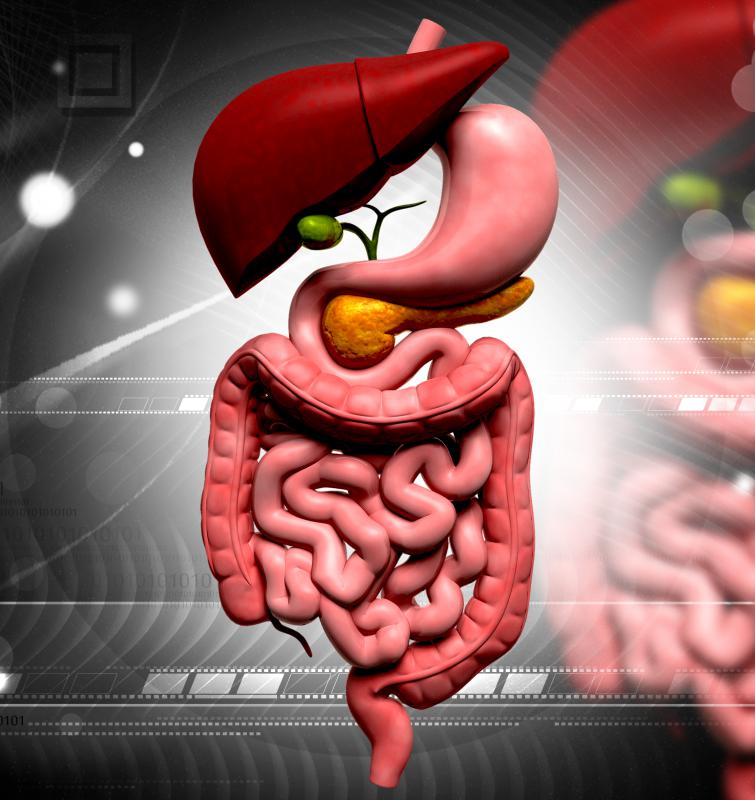
![Pancreatic enzymes help break down fats and carbohydrates in the small intestine.]() By: abhijith3747Pancreatic enzymes help break down fats and carbohydrates in the small intestine.
By: abhijith3747Pancreatic enzymes help break down fats and carbohydrates in the small intestine. -
![The pancreas manufactures enzymes that play an important role in the digestion of food in the gastrointestinal tract.]() By: snapgalleriaThe pancreas manufactures enzymes that play an important role in the digestion of food in the gastrointestinal tract.
By: snapgalleriaThe pancreas manufactures enzymes that play an important role in the digestion of food in the gastrointestinal tract. -
![Pancreatic enzymes move through the pancreatic duct into the small intestine.]() By: nerthuzPancreatic enzymes move through the pancreatic duct into the small intestine.
By: nerthuzPancreatic enzymes move through the pancreatic duct into the small intestine. -
![In some cases, pancreas enzyme insufficiency results in diarrhea and malnutrition.]() By: poco_bwIn some cases, pancreas enzyme insufficiency results in diarrhea and malnutrition.
By: poco_bwIn some cases, pancreas enzyme insufficiency results in diarrhea and malnutrition. -
![Stool tests can be used to determine if a person is experiencing insufficient enzyme production.]() By: inesbazdarStool tests can be used to determine if a person is experiencing insufficient enzyme production.
By: inesbazdarStool tests can be used to determine if a person is experiencing insufficient enzyme production. -
![Problems with the pancreas may be detected via ultrasound.]() By: acherstProblems with the pancreas may be detected via ultrasound.
By: acherstProblems with the pancreas may be detected via ultrasound.


Discussion Comments
@Grivusangel -- I had no idea these enzymes were available for people who needed pancreas support! Learn something new every day.
It's really great how modern medicine has developed so many therapies for these people. I'm sure some people would pooh-pooh the notion and just say "Big Pharma" was keeping people sick, but I've seen many, many more people helped by modern medicine than harmed by it. I guess it's inevitable that doctors make mistakes, and unfortunately, their mistakes may cost lives. I'd still rather throw my lot in with people who have been to school for eight years and served at least four years of residency to handle my medical treatment!
A friend of mine had pancreatitis, and it was so severe, he had some kind of surgery to remove some of his pancreas, redirect the bile duct, etc. He had to take pancreatic enzymes by mouth before eating to help him digest and absorb his food properly.
Before he started taking the enzymes, he was so thin, it wasn't funny. He looked like a prisoner in a concentration camp because he was so malnourished. He was getting liquid nutrition, but it wasn't helping much and he was very weak.
Once he had the surgery and started taking the enzymes, he improved pretty quickly -- much quicker than I thought he would!
Post your comments