
At HomeQuestionsAnswered, we're committed to delivering accurate, trustworthy information. Our expert-authored content is rigorously fact-checked and sourced from credible authorities. Discover how we uphold the highest standards in providing you with reliable knowledge.
What are Ornamental Gardens?
 Mary McMahon
Mary McMahon
Mary McMahon
Ornamental gardens are specially designed areas with plants that are designed for the purpose of aesthetic pleasure rather than the production of crops. Landscaping plans often integrate ornamental plants into their designs, and many cities have civic gardens for the pleasure of residents. Some botanical gardens also include ornamental sections which showcase striking and interesting plants as opposed to preserving botanical specimens, which is their primary purpose.
The practice of laying out ornamental gardens appears to be ancient. Humans have long had a fondness for art and beautiful things, and once the basics of agriculture had been mastered, landscaping was not far behind. In fact, such gardens were even included in the Seven Wonders of the Ancient World, in the form of the Hanging Gardens of Babylon, which were allegedly designed for the pleasure of a ruler's wife.

Ornamental gardens often surround public buildings to make them more visually interesting. Churches, galleries, and other buildings devoted to contemplation are also commonly surrounded with gardens that are used by their members. Some religions even expressly include devotional activities which are meant to be performed in a garden. Others are used to decorate private homes.

The layout of an ornamental garden can be incredibly varied, depending on the climate, the plants involved, and the nature of the surrounding architecture. Those at locations like Versailles, for example, are extremely formal and elegant, with a complex layout of beds and paths that is often best viewed from a distance. By contrast, the ornamental garden that surrounds a small cottage may be done in a more casual style.

In addition to being pleasant to look at, ornamental gardens are also pleasant to use. Many include recreation areas for playing sports, walking, or simply sitting and enjoying the garden, and some have space for performances of music and theater. Events like weddings and cocktail parties may also be staged in an ornamental garden, with the surroundings contributing to the decorations at the event.

While ornamental gardens are sometimes dismissed as frivolities with no practical applications, they do actually serve a function beyond looking pretty. Plants can help to regulate temperature, keeping a climate more temperate and comfortable while acting as air scrubbers, removing pollution and keeping the air fresh and clean. An ornamental garden can also provide habitat for birds, butterflies, and other creatures.
Mary McMahon
Ever since she began contributing to the site several years ago, Mary has embraced the exciting challenge of being a HomeQuestionsAnswered researcher and writer. Mary has a liberal arts degree from Goddard College and spends her free time reading, cooking, and exploring the great outdoors.
Learn more...
Mary McMahon
Ever since she began contributing to the site several years ago, Mary has embraced the exciting challenge of being a HomeQuestionsAnswered researcher and writer. Mary has a liberal arts degree from Goddard College and spends her free time reading, cooking, and exploring the great outdoors.
Learn more...AS FEATURED ON:
AS FEATURED ON:


-
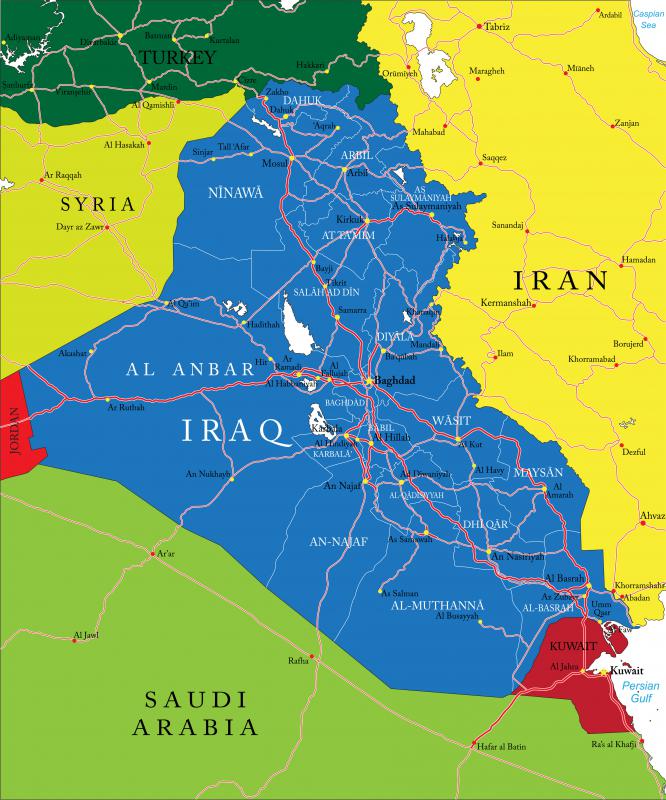
![According to written literature about the Hanging Gardens of Babylon, it appears that they were built in a series of terraces on the shores of the Euphrates River approximately 50 miles from modern day Baghdad, Iraq.]() By: bogdanserbanAccording to written literature about the Hanging Gardens of Babylon, it appears that they were built in a series of terraces on the shores of the Euphrates River approximately 50 miles from modern day Baghdad, Iraq.
By: bogdanserbanAccording to written literature about the Hanging Gardens of Babylon, it appears that they were built in a series of terraces on the shores of the Euphrates River approximately 50 miles from modern day Baghdad, Iraq. -
![Many people think of French gardens when they hear the words "formal garden," with the gardens at Versailles being a notable example.]() By: Rick HenzelMany people think of French gardens when they hear the words "formal garden," with the gardens at Versailles being a notable example.
By: Rick HenzelMany people think of French gardens when they hear the words "formal garden," with the gardens at Versailles being a notable example. -
![Stones can add a decorative separation between a person's yard and an ornamental garden.]() By: ekarinStones can add a decorative separation between a person's yard and an ornamental garden.
By: ekarinStones can add a decorative separation between a person's yard and an ornamental garden. -
![Ornamental gardens may be placed on a building's roof to decorate an urban area.]() By: Monkey BusinessOrnamental gardens may be placed on a building's roof to decorate an urban area.
By: Monkey BusinessOrnamental gardens may be placed on a building's roof to decorate an urban area.


Discussion Comments
@tlcJPCThe best thing to remember when trying to create a garden is that it should be fun! It sounds like you really like to garden, so start there!
I’m not one of those gardeners who think that I should go buy all of the gardening books at the hardware store. Actually, I like doing my own thing – even if it does come out a little messy from time to time.
The thing is that you are going to learn from your garden plants and keep getting better at what you’re doing! So just enjoy the process.
I suppose what I’m saying is to focus less on the product itself and more on the process to get there! Learn from what you do, and it’ll only get better!
I love to grow flowers and plants, and I’m actually pretty good at it to know so little about it. However, I have no idea how to actually get a ‘garden’ going.
I mean, I have a vegetable garden. But I would love to have a beautiful flower garden, complete with fountains and archways and walkways and garden accessories…and you get the point, right?
I can grow tons of plants, but my best efforts at creating a flower garden always come away looking crowded and messy.
And, I don’t mean messy in a cottage garden kind of way. I mean messy, as in, “what is the woman trying to do here?’ way.
Any clues as to how to make my dream garden a reality?
Post your comments