
At TheHealthBoard, we're committed to delivering accurate, trustworthy information. Our expert-authored content is rigorously fact-checked and sourced from credible authorities. Discover how we uphold the highest standards in providing you with reliable knowledge.
What Are Normal Ferritin Levels?
A serum ferritin test determines how much iron is in the body. Normal ferritin levels for men range from 24 nanograms per milliliter (ng/mL) to 336 ng/mL. The normal levels for women is slightly less, ranging from 11 ng/mL to 307 ng/mL. The values are the same whether reported in nanograms per milliliter or micrograms per liter (mcg/L), with 100 ng/mL being the same as 100 mcg/L. The normal range can vary from laboratory to laboratory, depending on the type of ferritin test used and the normal values typically derived from that test.
Ferritin is a protein that stores iron. It is present in all cells of the body. Ferritin binds to iron, storing it in a non-toxic state. Normal ferritin levels are the amounts of ferritin that are to be expected in a healthy person. The levels are different for men and women, and they change according to age group.

A physician might order a serum ferritin test if other tests, such as hemoglobin or hematocrit levels, have abnormal results. Ferritin levels are tested by taking a blood draw, usually from the arm. There is no need for the patient to fast before a serum ferritin test.
Results that show higher-than-normal or lower-than-normal ferritin levels might be indicators of serious disorders or simply a temporary abnormal reading. When a patient has an abnormal ferritin test result, the physician usually will order further tests to determine the cause of the abnormal result while continuing to monitor the patient’s ferritin level.

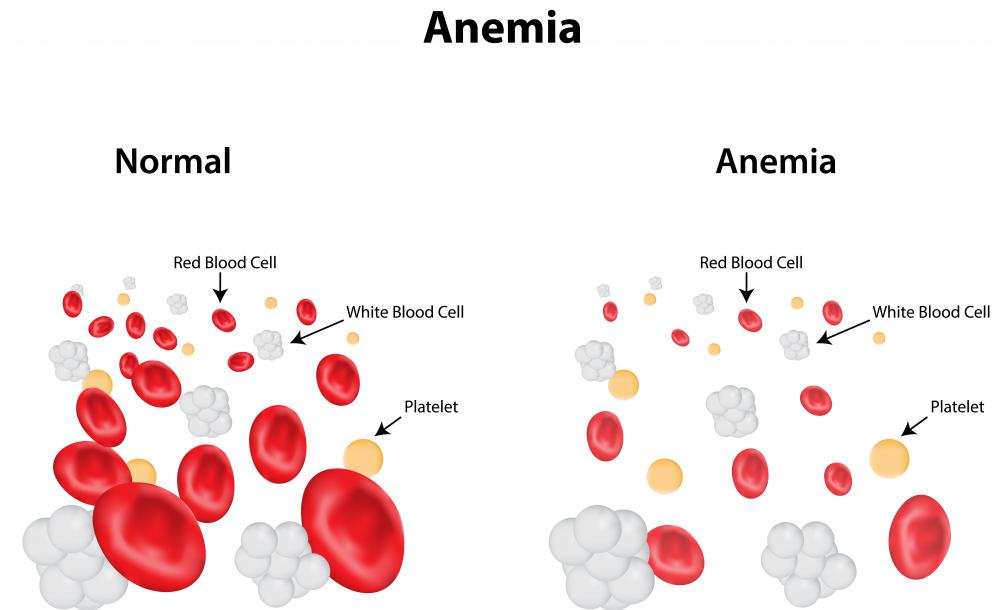
Low ferritin levels might indicate anemia, vitamin C deficiency or hypothyroidism. The low levels might be the result of internal bleeding, such as from ulcers, hemorrhoids or heavy menstrual bleeding. A diet that is low in iron-containing foods might be responsible for low ferritin levels. The low levels can produce symptoms such as tiredness, weakness or restless leg syndrome.

High ferritin levels mean that there is an excess of iron in the blood. High levels might be caused by liver disease, leukemia or alcoholism. They also can be genetic in nature or might be caused by a diet high that is in iron. Inflammation might cause an increase in ferritin. Unlike low ferritin levels, high levels do not produce any symptoms.
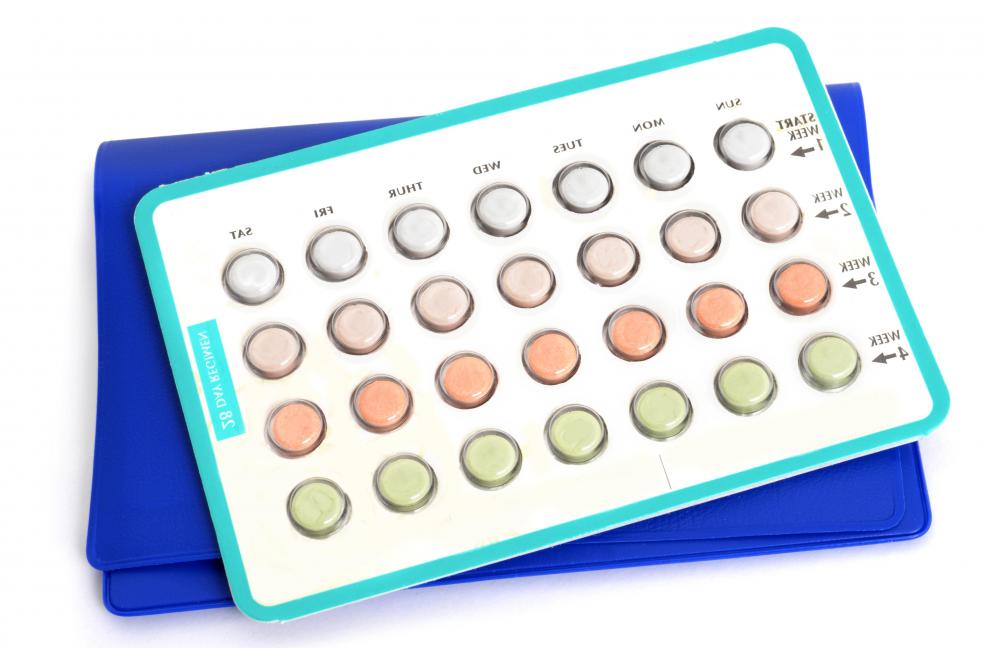
Several factors can produce results temporarily outside the range of normal ferritin levels. A recent blood transfusion, any condition that causes inflammation or medicines such as birth control pills can affect the test results. Thyroid medications can interfere with the test results as well.
AS FEATURED ON:
AS FEATURED ON:


-
![Patients may develop abnormally high blood levels of ferritin due to frequent blood transfusions.]() By: PavlePatients may develop abnormally high blood levels of ferritin due to frequent blood transfusions.
By: PavlePatients may develop abnormally high blood levels of ferritin due to frequent blood transfusions. -
![Pregnancy may result in low serum levels of ferritin.]() By: Valua VitalyPregnancy may result in low serum levels of ferritin.
By: Valua VitalyPregnancy may result in low serum levels of ferritin. -
![Ferritin levels are tested by taking a blood draw, usually from the arm.]() By: hadkhanongFerritin levels are tested by taking a blood draw, usually from the arm.
By: hadkhanongFerritin levels are tested by taking a blood draw, usually from the arm. -
![Birth control pills can affect ferritin level test results.]() By: Kimberly ReinickBirth control pills can affect ferritin level test results.
By: Kimberly ReinickBirth control pills can affect ferritin level test results. -
![High levels of ferritin may be a sign of liver disease.]() By: pankajstock123High levels of ferritin may be a sign of liver disease.
By: pankajstock123High levels of ferritin may be a sign of liver disease. -
![Low ferritin levels may be an indication of anemia.]() By: joshyaLow ferritin levels may be an indication of anemia.
By: joshyaLow ferritin levels may be an indication of anemia. -
![Chronic excessive drinking can result in higher than normal ferritin levels.]() By: yellowjChronic excessive drinking can result in higher than normal ferritin levels.
By: yellowjChronic excessive drinking can result in higher than normal ferritin levels. -
![Unprocessed beef contains large quantities of iron.]() By: Blind ShotUnprocessed beef contains large quantities of iron.
By: Blind ShotUnprocessed beef contains large quantities of iron.






Discussion Comments
Gosh, I'm so confused. I'm 61 years old, female. I think I may have caused big problems by taking iron recently. My ferritin hangs around 40. My iron saturation is frequently 55 percent or higher. My TIBC and UIBC are always very low.
However, my doctor would like my ferritin to be over 50. I find that the more iron I take, the more fatigued, depressed I get -- and I have positively correlated iron intake with a very irritated bladder condition. (IC). So many other blogs encourage really keeping those ferritin levels high. Is there any reliable data or info that can help me sort this out?
The upper limits for ferritin are set at levels that warn of disease, but for optimal health lower levels are far more desirable.
Look up iron, too much of a good thing; and read some of the articles from different sources that share this common title on the dangers of high iron.
Ferritin tends to creep up in older males and post-menopausal females, and ferritin over 100 is quite common in seniors.
Doctors rarely test for ferritin, and won't get back to you on elevated levels unless they are sky high, so you must request this test and request a copy of the results. Blood donation is the easiest way to dump excess iron.
Post your comments