
At DelightedCooking, we're committed to delivering accurate, trustworthy information. Our expert-authored content is rigorously fact-checked and sourced from credible authorities. Discover how we uphold the highest standards in providing you with reliable knowledge.
What are Nigella Seeds?
 Tricia Christensen
Tricia Christensen
Tricia Christensen
Nigella seeds are a spice harvested from the plant Nigella sativa, which probably first grew in the Fertile Crescent and now grows throughout India and Egypt. While they can smell a bit like onions, they typically have a mild somewhat "peppery" flavor, which intensifies when cooked. They can be used in a wide range of dishes, though they are most popular in Indian cuisine. Some people use oil from nigella seeds as an antioxidant and for upset stomach.
Common Culinary Uses

Indian chefs use nigella seeds to form the basis for several dishes, particularly in Northern regions, and often sprinkle them on naan or Indian flatbread and include them in rice pilau. A five spice mix common in Bengal called paanch phoron may include these seeds as one of the five spices; mixing them with fennel, cumin, fenugreek and mustard seeds. Indian chefs often use paanch phoron to flavor fish or vegetables, particularly eggplant. In fact, many cooks suggest that eggplant and nigella seeds are among the best possible pairings of a vegetable and spice.
Taste and Aroma

There are many opinions on what nigella seeds taste like, though most people agree they have little flavor when they are not cooked, but may impart a little bit of heat to dishes. When cooked, many people describe the seeds as peppery and smoky, or compare them to oregano. Most tasters agree the flavor is light and occasionally slightly bitter. Cooking them also makes them more aromatic, releasing their scent into the kitchen and the dish itself.
Appearance and Other Names

These black seeds are approximately 0.125 inches (about 3.18mm) in length and have a slightly triangular shape, so people often confuse them with black sesame seeds. Some people also mistakenly call them "onion seeds" because they have a slight onion-like smell. They are not in any way related to onions, however, so the two plants should not be confused.
Buying and Cultivating the Seeds

Many specialty food markets, Asian grocery stores, and natural foods stores stock nigella seeds. Nigella sativa is also quite easy to grow, allowing people to cultivate them for cooking. Cooks can gather and dry seed pods, or shake the seeds loose and then dry them separately.
Medicinal Uses
Some stores market nigella seeds as kalonji. Because of their high oil content and possible medicinal value, companies make numerous kalonji mixtures and preparations. In Indian and Persian medicine, the seeds have been used to help treat intestinal problems, stop rheumatoid arthritis, and treat kidney problems. They are high in antioxidants, and their smell is said to repel some insects. Further research may still be necessary, however, so people should consult a healthcare professional before altering or starting any medical treatment.
Tricia Christensen
Tricia has a Literature degree from Sonoma State University and has been a frequent DelightedCooking contributor for many years. She is especially passionate about reading and writing, although her other interests include medicine, art, film, history, politics, ethics, and religion. Tricia lives in Northern California and is currently working on her first novel.
Learn more...
Tricia Christensen
Tricia has a Literature degree from Sonoma State University and has been a frequent DelightedCooking contributor for many years. She is especially passionate about reading and writing, although her other interests include medicine, art, film, history, politics, ethics, and religion. Tricia lives in Northern California and is currently working on her first novel.
Learn more...AS FEATURED ON:
AS FEATURED ON:


-
![Indian flatbread,or naan, is often sprinkled with nigella seeds.]() By: SerhadIndian flatbread,or naan, is often sprinkled with nigella seeds.
By: SerhadIndian flatbread,or naan, is often sprinkled with nigella seeds. -
![Nigella seeds.]()
Nigella seeds. -
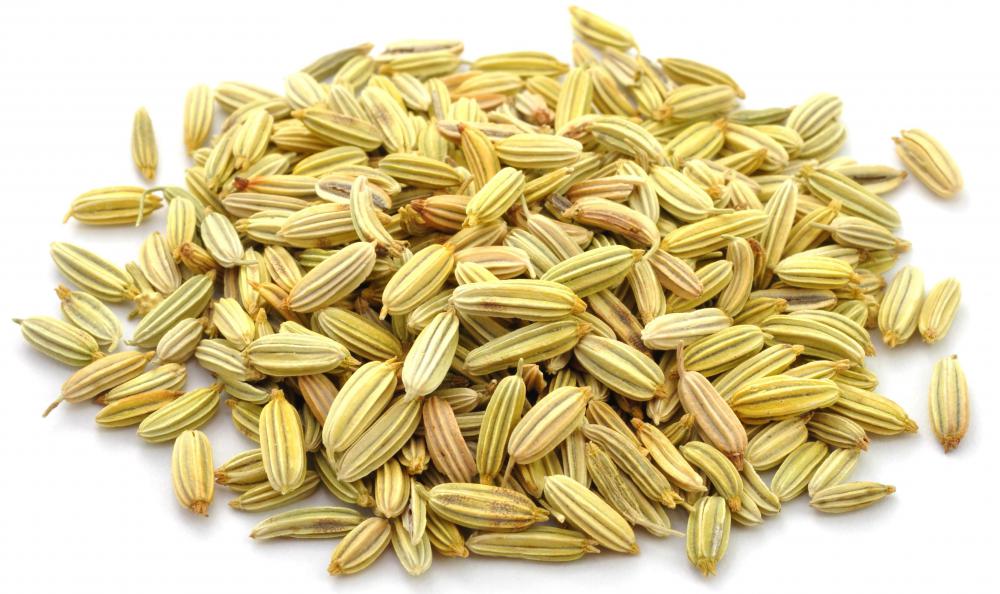
![Nigella seeds are often mixed with fennel seeds.]() By: photocrewNigella seeds are often mixed with fennel seeds.
By: photocrewNigella seeds are often mixed with fennel seeds. -
![Oil from nigella seeds may be used as a remedy for upset stomach.]() By: Yoanna BoyadzhievaOil from nigella seeds may be used as a remedy for upset stomach.
By: Yoanna BoyadzhievaOil from nigella seeds may be used as a remedy for upset stomach.



Discussion Comments
Can the seeds of other species be used in the same ways?
Is it common to see small whitish pods and other things that look like small pieces of straw mixed in with the seeds? I don't know if the ones I bought have been contaminated.
When I was young, and up until about 2000, supermarkets in northern New Jersey used to sell light rye bread with nigella seeds along with caraway in it. Adds a wonderful subtle favor. I assume it's an Eastern European Jewish thing.
@feruze-- Yea, in some cultures it is believed that "kalonji," nigella seeds, have the power to protect people from bad things. Some people like to make small cloth charms with nigella seeds and carry it with them all the time.
There is even an old story about this. There were a group of camels traveling in the desert carrying different goods. Someone saw the camels and commented on how great and beautiful they were. All the camels fell down and became ill from evil eye except for one. It is said that the one camel that remained standing was carrying nigella seeds.
I watched a movie called "The Mistress of Spices" the other day. In the movie, the actress grounded nigella sativa seeds and gave it to a friend so that he would not meet with an accident.
Does anyone know why?
I don't think that black nigella seeds smell like onion at all. They are very fragrant, that is for sure, and can be very potent when they're cooked or boiled. But I have never felt that they smell or taste like onions and I wouldn't want anyone who hasn't tried them to think so.
In Mediterranean and Middle Eastern cooking, nigella seeds are used to decorate pastries. They are usually used together with toasted sesame seeds as a topping or seasoning for pastries and breads. I absolutely love baked goods with nigella seeds.
I ate them all the time when I was in Greece and in Lebanon. Especially during holidays in Lebanon, the bakeries would make a special pita bread with nigella seeds. It not only looks nice, but it has a distinct flavor that one looks for when you get used to it.
@cellmania: There are a great number of uses for Nigella oil. For sinus problems, you can use ½ tsp. of the oil and very hot water for a facial steam. You can rub the oil on the chest for cough and flu symptoms.
It has also been known to be effective in the treatment of colic in babies. You rub the Nigella oil on the tummy.
@cellmania: Nigella oil is produced from the black seeds of Nigella Sativa plant. The oil is an anti-oxidant. Nigella oil used to be very popular for its medicinal value.
It is also considered a beauty product. It is used as a conditioner for the hair and a skin moisturizer.
When buying Nigella oil, you should make sure that it is 100% cold pressed with no additives.
What is nigella oil?
Post your comments