
At TheHealthBoard, we're committed to delivering accurate, trustworthy information. Our expert-authored content is rigorously fact-checked and sourced from credible authorities. Discover how we uphold the highest standards in providing you with reliable knowledge.
What are Neuroleptics?
Neuroleptics are psychiatric medications that are used to treat the symptoms of certain types of mental illnesses, including bipolar disorder, schizophrenia, delusional disorder, and psychotic depression. More commonly referred to as antipsychotics, some are also used to treat a range of other illnesses, including Huntington's disease and obsessive-compulsive disorder (OCD). The drugs are known for their often-distressing side effects — including blurred vision, muscle spasms and involuntary facial tics — which has prompted drug manufacturers to try to develop new versions that don't produce these effects. In addition, they are not effective for all patients, and some drugs work better for some patients than others.
Medication Types

There are two main classes of neuroleptic drugs: typical and atypical. Typical antipsychotics were first introduced in the 1950s, and include haloperidol, loxapine, and chlorpromazine. Atypical antipsychotics were first used in the 1970s, and include clozapine and ziprasidone. Researchers continue to work on developing new, third-generation drugs, the first of which is aripiprazole, which was first approved for use in the US in 2002.

Atypical neuroleptics are generally regarded as more effective and less likely to cause side effects than those in the typical category. As a result, medical professionals usually prefer to prescribe atypical drugs when possible, and the use of some typical antipsychotics, such as molindone, has been phased out entirely in the US. Third-generation drugs are expected to provide more effective management of symptoms with even fewer side effects.
Uses

Neuroleptics are commonly used to treat psychiatric disorders by reducing hallucinations, delusions, paranoia, confusion, and other severe symptoms. In general, these medications are indicated in cases where the symptoms are very distressing for the patient, or if they cause the person to be a danger to himself or to others.
Mental health professionals also prescribe these drugs for non-psychotic disorders that affect the brain. For example, they are sometimes prescribed to help manage symptoms of Huntington's disease, Tourette syndrome, and depression. When used in this way, the objective is typically to supplement the effectiveness of other drugs being taken for the condition.
How They Work

Research suggests that some psychotic disorders may be linked to an imbalance of a neurotransmitter called dopamine. This essential brain chemical is involved in many functions, including learning, motor control, memory, and mood, but too much of it may lead to psychosis. Both typical and atypical neuroleptic drugs block dopamine receptors in the brain, reducing the over-activity of dopamine and, for many patients, reducing the symptoms of psychosis.
Both classes of the drug work in similar ways, but typical medications block a wider range of dopamine receptors than do atypical versions. Receptors are molecules on the surface of cells that provoke cellular reactions in response to signals from chemicals such as dopamine. There are five known types of dopamine receptors in the brain, and typical neuroleptics work on all of these, while atypical drugs activate only three of the five. It is believed that this likely contributes to the reduced range and severity of side effects caused by atypical drugs.
Side Effects
Neuroleptics can cause a wide range of unpleasant and even dangerous side effects, including an increased heart rate, low blood pressure, tremors, sexual dysfunction, and weight gain. In addition, people who take these drugs sometimes experience intense nightmares, have impaired short-term memory, and have an increased risk of seizures. Drug-induced psychosis, in which the drug worsens a patient’s condition, is also possible.
Patients on these drugs have an increased risk of developing certain types of diseases. Some medications increase the likelihood that a person might develop diabetes, with the risk particularly high in people of African descent. Atypical drugs increase the risk of pancreatitis, an inflammation of the pancreas, which typically occurs within six months of beginning the treatment. A form of immune system dysfunction called agranulocytosis sometimes develops spontaneously in people who take the atypical neuroleptic clozapine.
The harsh side effects of neuroleptic drugs, combined with the nature of the disorders that the medications treat, can cause patients to stop taking them. Their sudden discontinuation can lead to an acute psychotic episode, self-harm, or other dangerous effects. Additional medications to control the side effects are often simultaneously taken to help improve a patient's quality of life. For example, anticholinergics, which block involuntary movements, are often prescribed to reduce tremors and other motor-related side effects.
Long-term Side Effects
The use of neuroleptics and the long-term effects of these drugs on the brain have come under close examination. One common side effect is tardive dyskinesia, which causes uncontrollable repetitive movements, such as frequent blinkling, poking out the tongue, and smacking the lips. Although this is primarily a long-term effect, it can develop relatively quickly in people who take high doses.
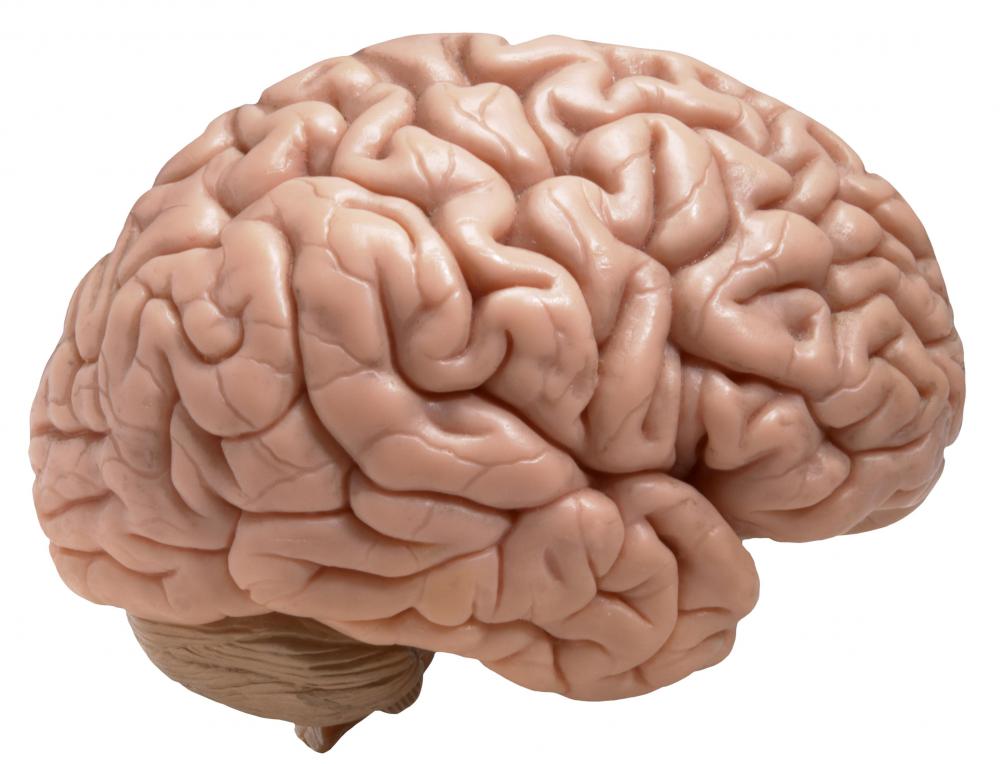
Studies indicate that long-term use of antipsychotic medications can change the structure of the brain, causing shrinkage of both gray and white matter. The effect that this might have on patients is unclear.
Criticism
Several studies have questioned the overall effectiveness of neuroleptics, suggesting that they aren't as useful as many professionals believe. It's possible that fewer than half of patients given these drugs experience an improvement in their conditions, although it depends on the individual and the illness being treated. Many mental health experts also note that dosing needs to be specifically tailored to the individual, and that some experimentation with different medications and dosages is needed in nearly all cases.
Critics of using antipsychotic drugs on a regular basis often point to research that suggests that short-term, targeted treatment may be more effective than giving a patient drugs over the long term. Schizophrenics who live in parts of the world where ongoing drug treatment of this type is not the standard may do better over time with other therapies. While they do seem to help many patients, some experts suggest that neuroleptics may too often be prescribed to patients who are likely to suffer more from the side effects than they are to benefit from the medication.
AS FEATURED ON:
AS FEATURED ON:


-
![Neuroleptics cause bothersome side effects, such as blurred vision.]() By: robertNeuroleptics cause bothersome side effects, such as blurred vision.
By: robertNeuroleptics cause bothersome side effects, such as blurred vision. -
![Blurred vision is among the side effects of neuroleptics.]() By: Africa StudioBlurred vision is among the side effects of neuroleptics.
By: Africa StudioBlurred vision is among the side effects of neuroleptics. -
![Neuroleptic medications are also referred to as antipsychotics.]() By: Phase4PhotographyNeuroleptic medications are also referred to as antipsychotics.
By: Phase4PhotographyNeuroleptic medications are also referred to as antipsychotics. -
![The use of neuroleptics and the long-term effects of these drugs on the brain have come under close examination.]() By: marksykesThe use of neuroleptics and the long-term effects of these drugs on the brain have come under close examination.
By: marksykesThe use of neuroleptics and the long-term effects of these drugs on the brain have come under close examination.


Discussion Comments
Anti-psychotics are drugs that are used to maintain mental illness. These drugs do not cure nor treat illnesses.
It's an awful scandal and one reason why its gone on for so long is that psychiatrists are paid very high salaries to prescribe these drugs and have an interest in maintaining the status quo.
Coincidentally Anon, cocaine is known to cause all the above side effects, as well as paranoia and peculiar thinking. Think about it, or, well, don't.
The government puts out this stuff with cocaine and shoves it onto the streets. I know so many people who have suffered the side effects of anti-psychotics (listed above), and all these are cocaine takers, including myself. I have often wondered about government influence on and activity in the drugs trade for research purposes.
@dill1971: I thought that I would add that Thorazine is also used to treat severe nausea and vomiting, pain, and continuous hiccups.
@dill1971: Thorazine, also known as Chlorpromazine, is used to treat anxiety, agitation and the over-activity of schizophrenia.
It is an aliphatic phenothiazine. This type of drug is thought to elicit their antiemetic and antipsychotic effects through interfering with the central dopamine pathways. They are known to be dopamine blockers.
Thorazine has high sedative properties. Sometimes, a tolerance is built to that effect. It can also cause some hypotension.
What exactly is Thorazine used for?
Post your comments