
At DelightedCooking, we're committed to delivering accurate, trustworthy information. Our expert-authored content is rigorously fact-checked and sourced from credible authorities. Discover how we uphold the highest standards in providing you with reliable knowledge.
What are Natural Sources of Caffeine?
Natural sources of caffeine are instances where caffeine, a chemical stimulant, occurs in nature — typically in the leaves or berries of different plants. Coffee beans and tea leaves are two of the most well known natural sources, but they are by no means the only ones. A number of different herbs, leaves and roots from around the world contain caffeine compounds, making the substance very common. Every continent except Antarctica is home to at least some indigenous sources of the stimulant, though how it is used and processed can vary tremendously from place to place.
Natural Versus Synthetic Caffeine
The most important characteristic of natural caffeine is that it occurs in nature, without human intervention. Caffeine that is artificially constructed, even if from natural ingredients, does not qualify.

Scientists are often able to replicate the molecular structure of caffeine using man-made compounds. Depending on how the stimulant is intended to be used, it can be more cost-effective to create it synthetically than to extract it from nature. Man-made caffeine can be optimized to blend in with other ingredients. It is often used in energy drinks and some pain medications, and to boost the caffeine levels of certain prepared coffees and teas.
Extractions from Coffee and Tea

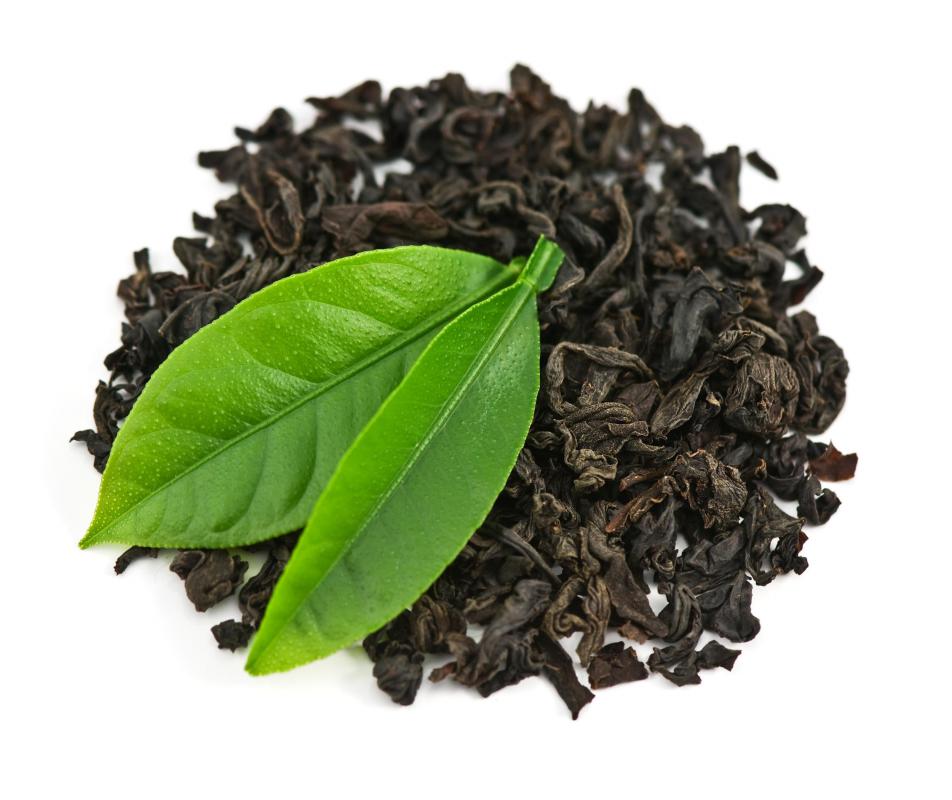
Coffee beans are some of the most popular natural sources of caffeine, though the actual caffeine content can vary depending on bean type, roast, and brewing style. Tea leaves are also a common source. Black tea, or tea that has been oxidized and dried, typically has the highest content, followed by green and white teas. As with coffee, preparation and brew time often influences stimulant content, but even so-called “decaffeinated” versions of these drinks still contain trace amounts.
Cocoa Beans and Chocolate

Cocoa beans, which are the root of chocolate production, contain small amounts of caffeine. As a result, chocolate contains trace amounts of the stimulant, but rarely ever very much. Most chocolate production involves a number of different ingredients. The more cocoa solids a chocolate contains, the higher its stimulant content will be — bittersweet or baking chocolate, for instance, is usually more caffeinated than milk chocolate or powdered mixes for things like hot cocoa. So long as the chocolate flavor derives from cocoa beans, however, there is likely to be a bit of natural caffeine in the final product.
Regional Plants and Herbs

The kola nut native to many sub-Saharan African countries is one of the more popular natural sources of caffeine in African culture. The nut, which grows as a fruit of the evergreen kola tree, is often chewed raw. It can also be brewed into a drink much as coffee would be, though the taste is usually quite distinct.
Other natural sources include the leaves of the yerba mate and guarana plants, which grow in the rainforests of South America. Yerba mate is one of the most popular caffeine sources in subtropical South America, especially Argentina and Paraguay. The leaves can be used to make an infusion that resembles green tea, although its flavor — and caffeine content — tend to be much stronger.
Commercial Uses

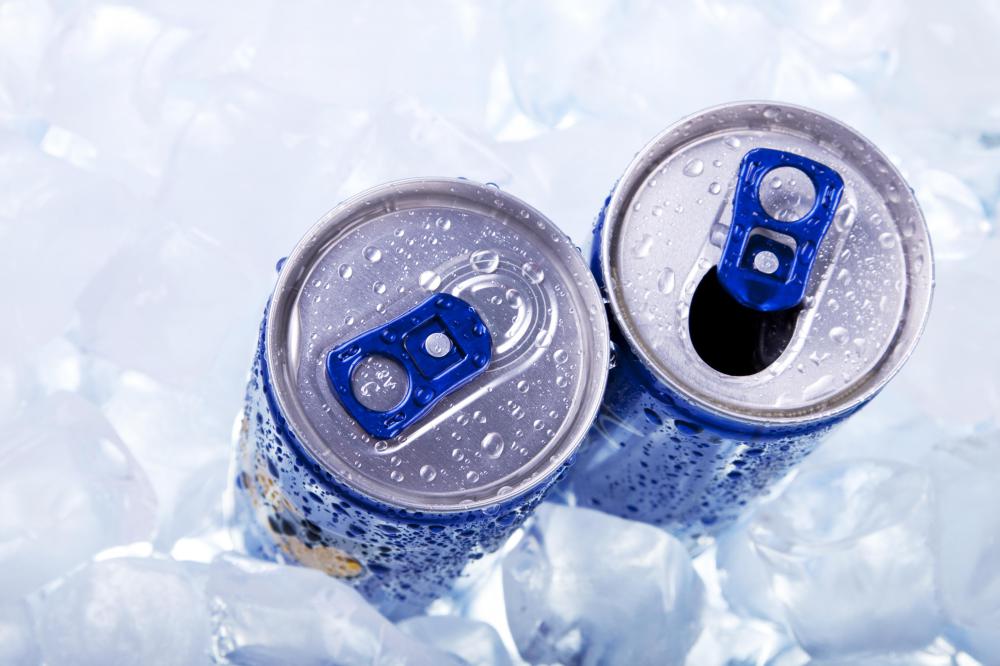
A number of food and beverage manufacturers extract natural caffeine for use in otherwise non-caffeinated products like energy drinks or athletic enhancement supplements. Yerba mate and guarana are some of the most widely used plants for these purposes in part because they typically come without a recognizable flavor and are easy to isolate. In many cases, they are also less expensive than coffee beans or tea leaves would be.
Health Concerns

There is nothing inherently unhealthy about consuming natural caffeine, and cultures around the world have been enjoying it for centuries. Many in the medical community warn about the risks of excessive consumption, however, which can cause heart problems and sleep disorders in adults — and often developmental problems in children. Just because a caffeine source is “natural” does not mean that it should be consumed with abandon. Moderation is usually key.
AS FEATURED ON:
AS FEATURED ON:


-
![Coffee is a common natural source of caffeine.]() By: picsfiveCoffee is a common natural source of caffeine.
By: picsfiveCoffee is a common natural source of caffeine. -
![coffee beans.]() By: Feng Yucoffee beans.
By: Feng Yucoffee beans. -
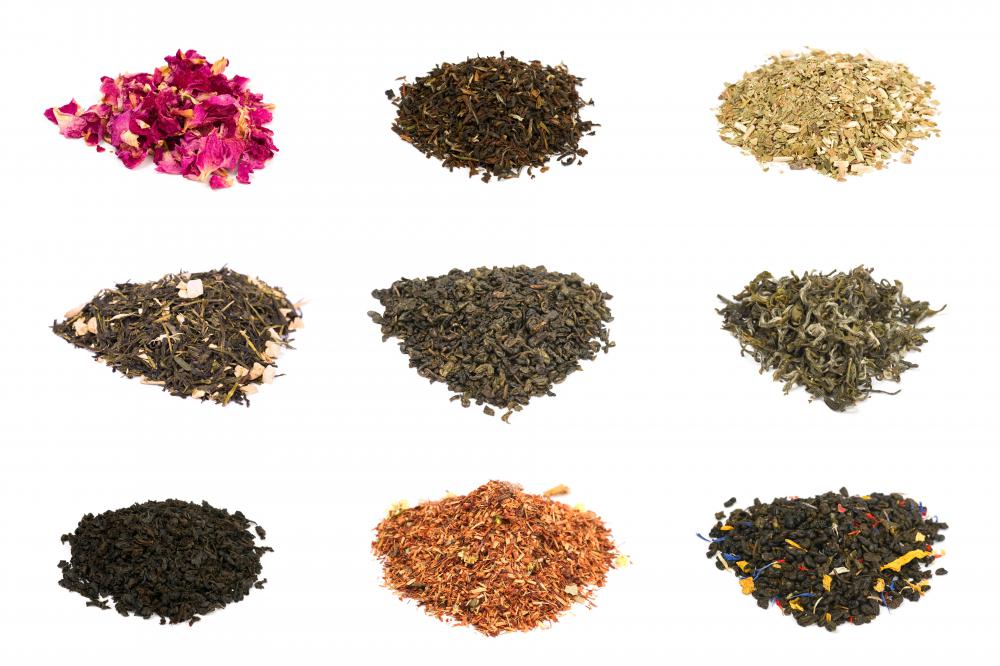
![Many varieties of tea contain caffeine.]() By: usbfcoMany varieties of tea contain caffeine.
By: usbfcoMany varieties of tea contain caffeine. -
![Looseleaf black tea with two fresh tea leaves.]() By: ivan kmitLooseleaf black tea with two fresh tea leaves.
By: ivan kmitLooseleaf black tea with two fresh tea leaves. -
![Chocolate contains caffeine.]() By: Andris TChocolate contains caffeine.
By: Andris TChocolate contains caffeine. -
![Energy drinks containing naturally-derived caffeine.]() By: FikMikEnergy drinks containing naturally-derived caffeine.
By: FikMikEnergy drinks containing naturally-derived caffeine. -
![Caffeine.]() By: VidadyCaffeine.
By: VidadyCaffeine. -
![Caffeine occurs naturally in cocoa beans.]() By: Jiri HeraCaffeine occurs naturally in cocoa beans.
By: Jiri HeraCaffeine occurs naturally in cocoa beans. -
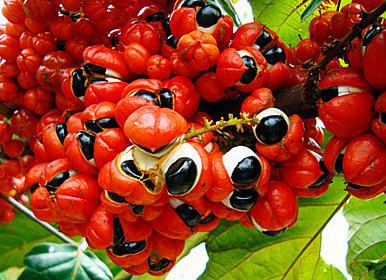
![Caffeine is a chemical naturally found in guarana berries.]()
Caffeine is a chemical naturally found in guarana berries.





Discussion Comments
I drink black tea at lunch, and the caffeine in it helps keep me going through the afternoon. At night, though, I sip caffeine free tea.
Tea with caffeine is enjoyable, because I know that it is good for me and it will keep me alert. The kind without caffeine is enjoyable in another way, because it is soothing and relaxing.
@wavy58 – If you are cutting caffeine for health reasons, even a little bit can be bad for you. I have polycystic kidney disease, and I consume very little caffeine, because it makes the cysts on my organs grow.
If the cysts overwhelm my kidneys, they could choke out their ability to function. My doctor told me to consume no more than the equivalent of the amount of caffeine in two cups of coffee each day.
I am very concerned about my health, so I only drink one cup of coffee. If I know that I'll be having tea that day, I skip the coffee.
I think it is strange that my doctor says I can't have more than a couple of squares of chocolate a day on my low caffeine diet. Chocolate doesn't have much caffeine in it at all, especially the milk chocolate that I like to eat.
Natural caffeine in small amounts is relatively harmless. However, the effects of energy drinks on people consuming them often spur them on toward caffeine addiction.
My husband didn't consume much caffeine until he started working the late shift and drinking energy drinks to stay awake. He claimed that since they contained guarana and other natural sources of caffeine, they weren't bad for him.
There is way too much caffeine in one can of the stuff he drinks for a person to even be consuming throughout an entire day. He drinks two of them each night that he works. I am worried about the effect this will have on his heart.
"Is natural caffeine the same as synthetic caffeine?"
Yes, it is just the same. The molecules and their effects are just the same. It's just how they are produced. A bio-factory (a living plant) as opposed to a laboratory.
@Post 7: A little agitated? Caffeine withdrawal?
Stop consulting biased sites for your information. Everyone reacts differently to the intake of substances. You can start a religion on why caffeine is bad, but the truth is you have no idea what you're talking about. You are regurgitating someone else's words.
The most important thing to avoid any type of ailment is moderation and recognizing when a habit is forming. Don't go spouting that caffeine is bad, though - there are many sources which all affect the body differently. Some natural extractions of caffeine can actually relax the smooth muscles (heart), so don't condemn something you don't understand because you had an adverse reaction.
It took days for the effects to wear off? Evidently you have little control over your mind, because the mechanism of action in the body could not possibly last that long. Never.
@80701: Days for the effects of a cup of coffee to wear off? There is no harm in a moderate amount of caffeine.
I have read that synthetic caffeine is more apt to cause jitters and elevate blood pressure as opposed to it's natural based counter part.
I do know first hand that synthetic caffeine from laboratories is half the cost of natural plant based sources, which is most obviously what all energy drinks use.
I was just reading about natural caffeine. Personally, my answer is to leave anything alone that contains caffeine, be it food or drink.
I remember one time many years ago I drank some instant coffee so I could stay awake because my husband was coming home from the Air Force that night. It took days for the effects to wear off. I have never had another drink since that time. I read the labels on everything I attempt to eat or drink.
Also, when a label reads caffeine, whatever percent caffeine it contains don't buy it. It does the same damage as 100 percent caffeine does. "Natural Caffeine" is just that (natural). The caffeine is still in the product.
Listing "natural caffeine" as an ingredient (like on the VitaminWater label) seems to be a gimmick, as it is the same as caffeine. Caffeine in No-Doz is just as much "natural caffeine" as both use caffeine from plant sources, which is cheaper than synthesizing caffeine (as in synthetic caffeine used in research laboratories).
Natural caffeine is still caffeine, and it can affect your heart. Coffee and tea, as well as guarana are natural caffeine, just like what's in your vitamin water, so it's best to stay away from all of them. Caffeine also prevents your body from absorbing calcium.
My doctor told me i can't have caffeine anymore due to severe heart palpitations after consumption...My question is, Is natural caffeine the same as synthetic caffeine? I started drinking vitamin water, energy, and it says it has "natural caffeine".
Post your comments