
At TheHealthBoard, we're committed to delivering accurate, trustworthy information. Our expert-authored content is rigorously fact-checked and sourced from credible authorities. Discover how we uphold the highest standards in providing you with reliable knowledge.
What are Myoclonic Seizures?
 Niki Foster
Niki Foster
Niki Foster
Myoclonic seizures or twitches are brief contractions, or relaxations, of a muscle or muscle group, resulting in a sudden, jumpy movement. Positive myoclonus is characterized by muscular contraction, and negative myoclonus by sudden muscular relaxation. They may be the symptom of disease, especially if recurring, but they may also be nothing to worry about. Many neurological disorders, including epilepsy, are capable of causing such seizures.
Most people have experienced these seizures of some form. Hiccups are a myoclonic seizure of the diaphragm muscle, for example. People also commonly experience one called a "hypnic jerk" shortly before falling asleep, and such instances are no cause for alarm.

Myoclonic seizures are a common symptom of a variety of neurological disorders, including myoclonic epilepsy, Lennox-Gastaut syndrome (LGS), Alzheimer's disease, Creutzfeldt-Jakob disease (CJD), lupus, multiple sclerosis, Parkinson's disease, and subacute sclerosing panencephalitis. In addition, they can be the result of sleep disorders, infection, drug poisoning or side effects, or injury to the head or spinal cord. In rare cases, injury to the peripheral nervous system can also cause them to develop. Brain tumors, stroke, and kidney or liver failure can also produce such seizures. Hypoxia, the prolonged deprivation of oxygen to the brain, is another possible trigger.

There are different types of myoclonic seizures, and some are more severe than others. Action myoclonus, sometimes considered the most severe form, is caused by brain damage, and is characterized by muscular twitching accompanying the intent or attempt to move voluntarily. Stimulus-sensitive myoclonus results in a seizure triggered by noise, light, or sound. Other types have no apparent trigger and can even happen during sleep. Many types of myoclonus, such as palatal myoclonus, which affects the soft palate and facial muscles, are limited to a certain area of the body.

These seizures are not life-threatening, but they can be debilitating to some degree and may be a sign of a more serious condition. They are usually treated with medication, such as the benzodiazepine clonazepam, although these drugs can lose their effectiveness with prolonged use and have side effects, including drowsiness and loss of coordination. Medications for epilepsy, such as barbiturates and anti-epileptics like primidone, can also be effective, and they work by slowing down the central nervous system. Sometimes, certain drug combinations are most useful, since such seizures can have complex causes.
Niki Foster
In addition to her role as a TheHealthBoard editor, Niki enjoys educating herself about interesting and unusual topics in order to get ideas for her own articles. She is a graduate of UCLA, where she majored in Linguistics and Anthropology.
Learn more...
Niki Foster
In addition to her role as a TheHealthBoard editor, Niki enjoys educating herself about interesting and unusual topics in order to get ideas for her own articles. She is a graduate of UCLA, where she majored in Linguistics and Anthropology.
Learn more...AS FEATURED ON:
AS FEATURED ON:


-
![Prescription medication may be required to treat myoclonic seizures.]() By: JultudPrescription medication may be required to treat myoclonic seizures.
By: JultudPrescription medication may be required to treat myoclonic seizures. -
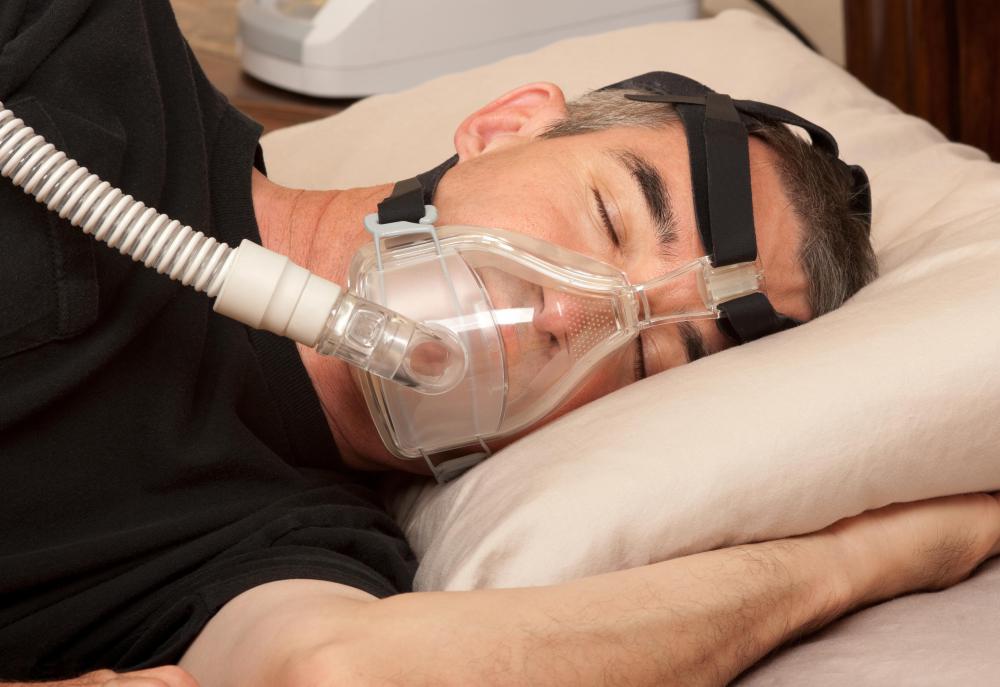
![Sleep disorders can cause myoclonic seizures.]() By: BVDCSleep disorders can cause myoclonic seizures.
By: BVDCSleep disorders can cause myoclonic seizures. -
![Water can help to relieve hiccups, a type of myoclonic seizure.]() By: zirconicussoWater can help to relieve hiccups, a type of myoclonic seizure.
By: zirconicussoWater can help to relieve hiccups, a type of myoclonic seizure. -
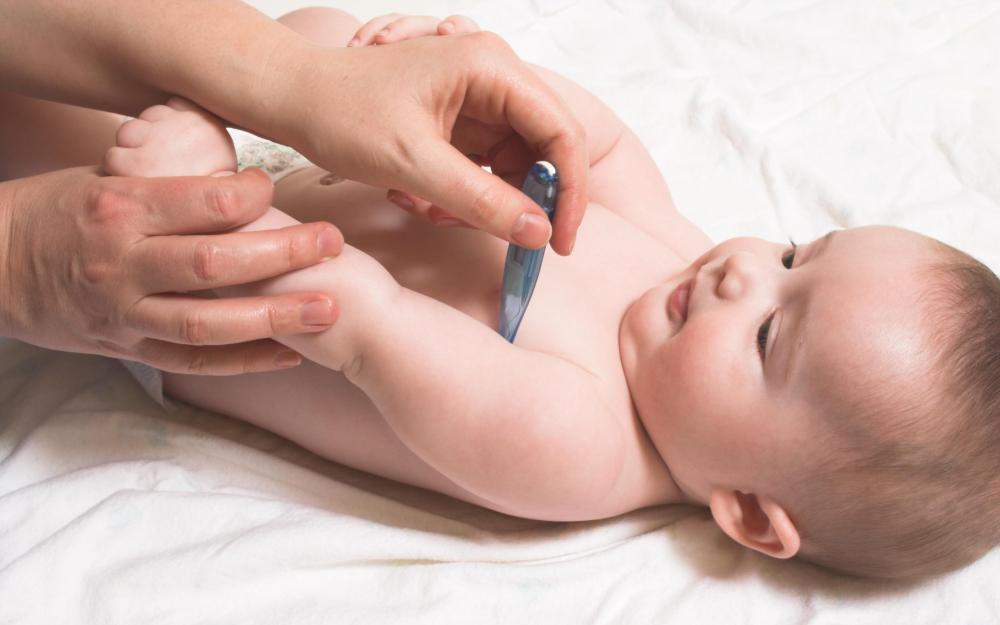
![A prolonged, high fever may cause seizures in babies.]() By: fred goldsteinA prolonged, high fever may cause seizures in babies.
By: fred goldsteinA prolonged, high fever may cause seizures in babies. -
![Hiccups, the disruption of the regular movements of the diaphragm, are a type of myoclonic seizure.]() By: snapgalleriaHiccups, the disruption of the regular movements of the diaphragm, are a type of myoclonic seizure.
By: snapgalleriaHiccups, the disruption of the regular movements of the diaphragm, are a type of myoclonic seizure.



Discussion Comments
Hypnic jerks are dangerous for pregnant women specially if she is in the eighth month.
I hiccup all the time, but I also have acid reflux.
my inner ear muscle twitches whenever i hear repeating sounds, mouse clicks, my dog barking, etc. The noise actually triggers the twitches. every time i click my mouse, my ear muscle twitches. it's a curse i can't get rid of. any suggestions other than pills? --thc
my five day old grandson was having these myoclonic spasms while he was sleeping while I was holding him.
My daughter said he did it the whole time she was holding him. My oldest son noticed it when he was looking at him while he was in the newborn crib at the hospital (and never said anything).
Now, to get his new parents to realize this isn't something all newborns do, and they make sure to ask their doc about this.
Sometimes you can see myoclonic seizures in children by sudden jerking movements that they may make. The movement is similar to the jumping awake feeling that @upnorth31 was referring to. However, it can happen while awake. If the child is holding an object while this happens, they may drop or throw it, involuntarily.
While the hypnic jerk that happens while you are falling asleep is usually harmless, if you notice this happening to your children while they are awake, you should probably have them checked out by a doctor, just to be safe.
So that's what that "jerk" I get when I'm falling asleep is, a hypnic jerk. I never knew this was actually a myoclonic seizure. I always thought that it was caused by something scaring you right when you are about to fall asleep. You learn something new everyday!
I can't believe that the hiccups are actually a seizure! So really, we've all had a myoclonic seizure at some point. Who hasn't had the hiccups? I wonder if it means that you have a seizure disorder, if you get the hiccups all the time?
Post your comments