
At HomeQuestionsAnswered, we're committed to delivering accurate, trustworthy information. Our expert-authored content is rigorously fact-checked and sourced from credible authorities. Discover how we uphold the highest standards in providing you with reliable knowledge.
What are Moth Balls?
Moth balls are small chemical products used when storing clothing or other items that may be damaged by mold or moths. They are typically made from naphthalene, a hydrocarbon derived from coal tar, that easily exudes gas, thus acting as a fumigant. Moth balls often look like gumballs or candy and therefore can be a danger to both children and pets, as they can be fatal if swallowed; another drawback is that these gases must build to high concentrations to be effective, and this can be dangerous to a person's health. If using naphthalene balls, it may be best to store clothing in an air tight container along with the moth balls to avoid over-exposure to the fumes, and all clothing should be fully aired out or washed before wearing.
This moth and mold deterrent is typically most efficient if stored with items in an airtight container for a minimum of seven days. On average, a package of balls will treat an area of about 43.7 cubic feet (1.237 cubic meters). The product should work for as long as it is kept sealed in an airtight container, but once the container is opened and the items are aired, it is most likely that the deterrent will no longer be effective. Many major home improvement stores sell two versions of this product — the moth ball and the moth crystal — and they can also be found on the Internet. Both serve the same purpose and are used the same way, but the crystal version is usually made with an even more toxic chemical.
Risks of Exposure

Moth balls made with naphthalene are toxic and high levels of exposure may cause nausea, vomiting, diarrhea, blood in the urine, or jaundice. Naphthalene can also kill red blood cells — though the body can replace them, in the interim the condition is referred to as hemolytic anemia. Hospitals have reported a high incidence of hemolytic anemia in newborns and small children who were dressed in clothing or wrapped in blankets that had been stored in naphthalene moth balls. In pregnant women, naphthalene can transfer from the mother's bloodstream into the bloodstream of her unborn baby. The toxin has also been detected in breast milk, though not in quantities that are thought to be of concern. Naphthalene has also been linked to nasal cancer.
Moth Crystals

Moth crystals are another version of a moth ball, but they are made from paradichlorobenzene (PDB), which is considered more toxic than naphthalene. This chemical also sublimates easily and clothes should again be kept in a sealed container along with the PDB. Prolonged exposure of PDB vapors on plastics may melt them, affecting some sweater boxes and other types of plastic; it is therefore not recommended to use on clothes with plastic buttons or decorations. The effects on humans of PDB are not well-known, but related compounds do have associated health risks, and it is a suspected human carcinogen, causing cancer in animals. The same precautions apply to both versions of these moth and mold deterrents: all goods should be fully aired or washed before wearing or using, and minimum exposure is recommended.

Due to the poisonous nature of moth balls and moth crystals, they should not be used as air fresheners, though many air fresheners are made with naphthalene or PDB. In fact, many people even prefer to use safer, more natural remedies to rid themselves of pesky moth larvae that can eat holes through woolen sweaters, coats and blankets.
Alternatives
Here are some alternatives to help save valued items without resorting to poisonous moth balls or moth crystals:
- Run items through a warm clothes dryer to kill any moth eggs, or if possible, periodically air them in the hot sun.
- Shake out and brush woolen items every three to four weeks. Clean items prior to storage as moth larvae rely on human soil, like perspiration residue, for essential vitamins missing from pristine wool.
- Store clean, off-season items in airtight containers.
- Freeze infested items in a tightly sealed bag for 48 hours; thaw at room temperature, and repeat. Once fully thawed and dry, seal in an airtight container for storage.

Storing susceptible items in a cedar chest will help reduce damage caused by moths or mold. Cedar oil is a natural repellent of insects like moths; however, many older cedar chests no longer have enough aroma left to do the job. On the other hand, if the chest seals well and smells strongly of cedar, it will probably be a safe place to store items.
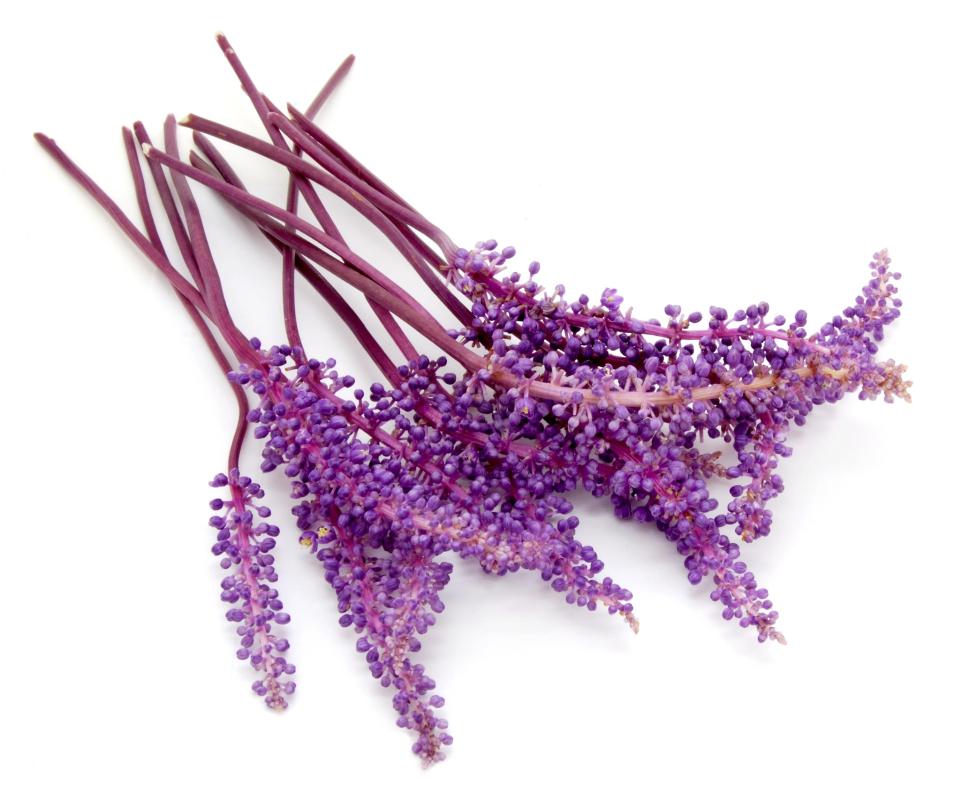
Other alternatives to moth balls include natural moth repellent sachets that can be made with herbs available at health food stores. The herbs are combined, ground, and sometimes used with oils, then wrapped in small swatches of material and tied with a ribbon or sewn shut. The sachets are then tossed in drawers or hung from hangers in the closet. Some herbs that are used for repelling moths are lavender, lemon, and santolina. There are many recipes online for a variety of moth repellent sachets, which can also be purchased online or from many health food stores.
AS FEATURED ON:
AS FEATURED ON:


-
![Moth balls can help keep raccoons away.]()
Moth balls can help keep raccoons away. -
![Lavender is a natural moth repellent.]() By: Kimberly ReinickLavender is a natural moth repellent.
By: Kimberly ReinickLavender is a natural moth repellent. -
![Moth balls can prevent moths from damaging treasured blankets for decades.]() By: eleonora_osMoth balls can prevent moths from damaging treasured blankets for decades.
By: eleonora_osMoth balls can prevent moths from damaging treasured blankets for decades. -
![Moth balls are usually made from naphthalene.]() By: Winai TepsuttinunMoth balls are usually made from naphthalene.
By: Winai TepsuttinunMoth balls are usually made from naphthalene. -
![Running clothes through a dryer can kill any moth eggs.]() By: itestroRunning clothes through a dryer can kill any moth eggs.
By: itestroRunning clothes through a dryer can kill any moth eggs.




Discussion Comments
Where do you people find that it is illegal to use moth balls outside to deter pests (snakes, scorpions, skunks and such)? I want to see it in writing!
Can moth balls kill body lice/ head lice from pillows, upholstered cushions by sealing then in plastic bags with them?
What other insect does moth balls get rid of?
How about bats in the attic. can you throw some up in the attic to get rid of the colony? Is it harmful?
We have a skunk under our deck and if my dog or cat runs into them what will happen?
Don't eat food that has been exposed to moth balls or moth crystals. This is a very effective article. Any misuse of a pesticide (moth balls are a pesticide) is a violation of federal and state laws.
The point of this article is that there may be alternatives to using mothballs and there are key things to be careful when working with them. I am a biochemist and work in the pest control industry - frequently I find home owners using mothballs for the craziest things that are probably not very effective. Thanks for the article.
I am a texas chemist. Pda (paradichlorobenzene is a poison. Don't use it for anything. Unless you want to risk cancer.
Does anyone know which cedar wood does a better job of repelling moths- Texas cedar oil or Easter Red Cedar oil. The active ingredients cedrol and cedrene are different in each?
Does anyone have an answer to question 5 about the consumption of tomatoes that have mothball crystals scattered around them? Are the chemicals soluble and absorbed by the plants and fruit?
A neighbor puts mothballs all over my property. The smell is so bad i can't breathe. i have headaches. i called the health inspector and he wasn't aware of dangers. what can i do? i don't have a state health inspector.
It is illegal in the US to use mothballs in a manner inconsistent with the package labeling. Mothballs are extremely dangerous if not placed in a sealed container.
If you, your pets or someone else is in harm's way because of another person's misuse of mothballs, you can contact your state's Department of Agriculture, as they are the agency that enforces the EPA's regulations regarding pesticide misuse.
What are the elements that make up moth balls?
do moth balls repel raccoons from the backyard?
someone gave me a refrigerator and somehow it smells like moth balls. How can I get this odor out?
If moth balls were sprinkled in the garden to get rid of pests and then removed, is it safe to plant tomato plants for human consumption?
If you need to get rid of mice, I suggest putting a little cheese or other food at the bottom of an otherwise empty plastic trash basket that's at least 1.5 feet tall. (Otherwise they'll jump out.) Leave a way for the mouse to jump in, like a chair or something he can get up on to access the top of the trash basket. Once he gets in he won't be able to get out because the sides are too slippery. Take the trash can to a field and let the little guy(s) go. :) I did this at the warehouse of my workplace. Worked like a charm. Just leave it overnight and in the morning you will have a little guy waiting to be kindly relocated.
He doesn't realize he's in your space. Please don't hurt him for making the mistake.
do moth balls kill or repel mice???
Can moth balls be used to increase the octane of 87 of regular gas to premium gas octane of 91. I was told that 30 moth balls in 5 gallons of gas will easily do this? I have no idea if this is a myth or not so I am asking. Fellows who race muscle cars are giving out this info.
how do you manage a person who has consumed moth balls orally? what complications do we come across and what is the treatment...
....
Post your comments