
At TheHealthBoard, we're committed to delivering accurate, trustworthy information. Our expert-authored content is rigorously fact-checked and sourced from credible authorities. Discover how we uphold the highest standards in providing you with reliable knowledge.
What are Monocytes?
 Mary McMahon
Mary McMahon
Mary McMahon
Monocytes are a type of leukocyte or white blood cell which play a role in immune system function. Depending on a patient's level of health, monocytes make up between one and three percent of the total white blood cells in the body. They can be counted as part of a blood test, and changes in their levels can indicate changes in a patient's health. As a general rule, a low monocyte count is a good sign, and a high count indicates that a problem is present.
These cells are made in the bone marrow, and they spread through the body in one to three days. They can develop into either dendritic cells or macrophages. Dendritic cells belong to a group of cells known as antigen presenting cells, because they acquire antigens and show them to T cells so that the T cells learn to recognize dangerous antigens. Dendritic cells typically present antigens to T cells before they are fully developed, so that the T cell can respond appropriately after it has been shown an antigen.

Macrophages are cells which eat other cells. Classically, they attack any foreign material, such as a bacteria or virus, consuming it so that it cannot hurt the body and preserving an antigen so that the body will be able to recognize the foreign material in the future. Macrophages can also eat cells in the body which have been infected by a pathogen, to curb the spread of the pathogen and keep the body healthy.

Levels of monocytes in the blood tend to rise when someone has an infection, because more of these cells are needed to fight it. Monocytes can also increase in response to stress and other factors. A high monocyte count may be referred to as monocytosis, and it is typically addressed by determining why the count is so high, and addressing the problem. For example, if monocytes are elevated because of an inflammation caused by a viral infection, the patient would be given medication to kill the virus and bring down the inflammation.

Typically, when a monocyte count is requested, the lab will also run other tests on the blood to generate a complete picture. The normal values can vary widely, making it important for patients to discuss the results of blood tests with doctors, rather than trying to puzzle them out on their own. Because many things can cause a high value, having a high count is not necessarily a cause for major concern.
Mary McMahon
Ever since she began contributing to the site several years ago, Mary has embraced the exciting challenge of being a TheHealthBoard researcher and writer. Mary has a liberal arts degree from Goddard College and spends her free time reading, cooking, and exploring the great outdoors.
Learn more...
Mary McMahon
Ever since she began contributing to the site several years ago, Mary has embraced the exciting challenge of being a TheHealthBoard researcher and writer. Mary has a liberal arts degree from Goddard College and spends her free time reading, cooking, and exploring the great outdoors.
Learn more...AS FEATURED ON:
AS FEATURED ON:


-
![A diagram showing different types of white blood cells, including monocytes.]() By: apple1A diagram showing different types of white blood cells, including monocytes.
By: apple1A diagram showing different types of white blood cells, including monocytes. -
![Stress may cause a high monocyte count.]() By: CreativaStress may cause a high monocyte count.
By: CreativaStress may cause a high monocyte count. -
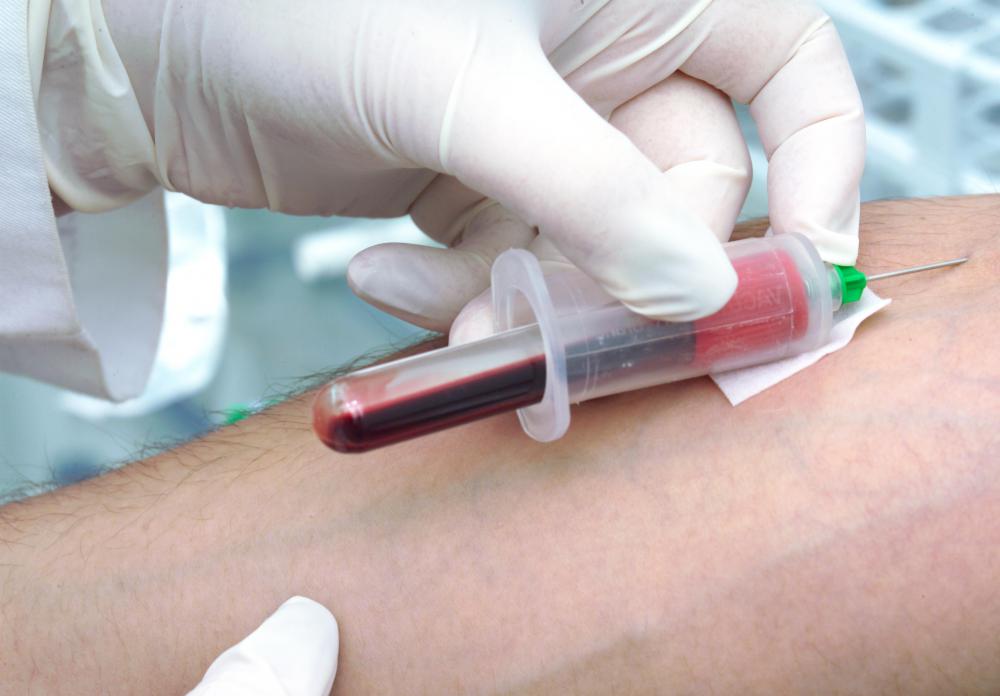
![Monocytes can be counted as part of a diagnostic blood test.]() By: Tim URMonocytes can be counted as part of a diagnostic blood test.
By: Tim URMonocytes can be counted as part of a diagnostic blood test. -
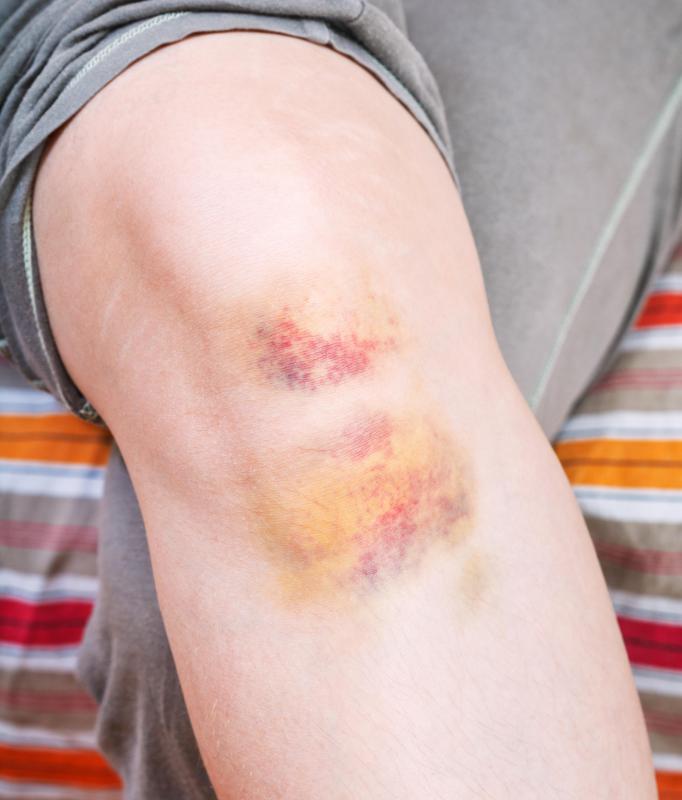
![Macrophages promote tissue growth and repair following an injury.]() By: vvoeMacrophages promote tissue growth and repair following an injury.
By: vvoeMacrophages promote tissue growth and repair following an injury. -
![It's important for patients to discuss the results of their monocytes blood test with their doctor.]() By: Photographee.euIt's important for patients to discuss the results of their monocytes blood test with their doctor.
By: Photographee.euIt's important for patients to discuss the results of their monocytes blood test with their doctor.



Discussion Comments
I have confirmed typhoid VI whereas widal is non reactive, and Monocytes are borderline high at 10.8. What can I do?
My age is 54. I am having heel pain. My monocytes are 12.9. Is there any problem?
My son is 1 year old and his monocytes and basophils are 0. Is there any problem with this?
You can get rheumatoid arthritis at any age. You cannot get osteoarthritis at a young age. It is just a natural occurrence of aging.
Elevated monocytes is a symptom of something. It is not the cause of joint pain, illness or anything else. High monocytes mean your body is fighting some infection or inflammation. Low monocytes may mean your body will have difficulty fighting off infection, but either way, the monocytes are not the cause of anything, but rather, the result of something off in the body. --
(A Registered Nurse)
I have been having hot flashes. They did a lot of labs. I haven't received all results back. My monocytes are 9.9 and MO#0.7 I have been running a low grade temp. I had a hysterectomy (i have one ovary left). Just wondering about the monocytes level?
my son's blood report shows that the Monocytes level is high: 10 instead of a range between 3-6. Is it a cause for concern.
My husband is receiving chemotherapy for colon cancer.
The last couple of days, he has had a fever. The Blood picture showed that monocytes prohibitive. What does this mean?
I've been sick for the past three months with Hyperparathyroidism and high wbc. My monocytes are 1.10, and on my lab work, it say that the normal range is 0.00-0.80.
The range of my monocytes is 13 but also I'm diagnosed with lyme disease and hyperthyroidism. My doctor said not to worry but I'm very nervous because i haven't felt good the past two months and my muscles and knees kind of hurt. Please help.
I will be seeing a hematologist this week so hopefully he could help me. I'm very concerned about leukemia.
what happens if monocytes present is nil?
Can monocyte in blood reading be 0.00? Please discuss.
my husband has 0.10 monocytes and his knee is swelling, it is over average, is his knee swelling because of above average monocytes?
I have monocytes that measure 11, joint pain, and can barely walk/ they say that i don't have arthritis.
what could it be? --Tam
The normal level of monocytes should be between 2.0 and 8.0, and i have a 13.7! i had a cancer and now the bone in my leg is getting big, and I'm a 50 year old woman. can anyone help?
i had a CBC test and my monocytes are 0.05 and my WBC is 3.20. Is it safe?
I am 49 year old. I got my blood test report saying Monocytes are 00. Tell me what will i do to get the levels to a normal position.
Does a low monocyte indicate signs of HIV? Mine was 10.6 Jan 2009 but decreased to 4.4 Jan 2010.
what should i do if i do have a monocyte high? what are the causes of having this? please help. thanks
my daughter took a blood test and it came on she has 0 monocytes. should i be worried? she is 16. can this cause any problems in the future?
I got a cbc test on Tuesday. and my monocyte count is 10. I have a low white blood count of 3.9 and low counts of neutrophils and lymphs. What does all of that mean for me? I am also anemic.
My daughter's monocytes level is 1101. Is this level too extremely high. She is 18.
Marijuana/THC has nothing to do with your monocytes. Educate yourself on monocytes.
My daughter just went to the doctor today and got a cbc done and her monocyte count was high. it is 14 but no one wants to tell me why they are so high. I don't know if i should worry or not.
my husband had a high fever. The blood test done by the doctor discovered that he had dengue fever. his monocytes count was 8. after five days had another blood test done to reconfirm the dengue but the result says negative on dengue.
It has been three weeks now. He still feels very tired and off and on has a cold sweat. Do we need to do another blood test?
i recently had a body check up and blood test. everything was fine but the doctor noticed that my monocytes were a bit over average, and i tend to smoke weed. is this just a natural reaction?
i recently had a cbc test for upcoming minor surgery. level was at 12.9. my doctor asked me to come back a week later and have another cbc run. The white count now at 20.0. Now I am having more tests than I can name. It doesn't look good either.
you can't have too high of a monocyte count. the monocytes are not your problem. your problem is that you have an infection or inflammation in the joint, thus the pain. monocytes are the body's natural reaction to infection or inflammation as the monocytes phagocytes the cells that cause the inflammatory response. having too many white blood cells does not cause pain. go see your doctor and he can examine you and medicate you according to your symptoms.
You can have arthritis at *any* age. My son is four and was diagnosed with it at age three. My mom was 25 when diagnosed.
anon it's not that due to high monocyte count that you are getting pain. it's due to pain in the joints. Your body is producing monocytes. You're young and can't have arthritis at this age. There is a possibility of you having an autoimmune disorder but don't panic. i mean maybe. nepali lok
I am having Monocytes more than normal maximum range i.e., 8.8 (normal 1 - 7). due to this i am getting pain in the hip bone, leg bone. i want to cure this. what do i need to do? Can anybody can help? I am age 29 --madhan
So we want our body to produce monocytes to be able to fight infections; but we don't want too much of it because it indicates someone has an infection? So, wouldn't it also be a problem if someone had a very low count of monocytes? Because this would also make it difficult for someone whom was sick to fight the infection, am I right on this?
Post your comments