
At AllThingsNature, we're committed to delivering accurate, trustworthy information. Our expert-authored content is rigorously fact-checked and sourced from credible authorities. Discover how we uphold the highest standards in providing you with reliable knowledge.
What are Midges?
 Mary McMahon
Mary McMahon
Mary McMahon
Midges are gnat-like two-winged flies in the order Diptera, which encompasses a wide range of individual species. Many people find these files to be extremely annoying and unpleasant, and there are fortunately a number of ways to deal with them. It also helps to remember that although midges are irritating, they are essentially harmless, and they do not carry any known diseases.
The term “midge” is somewhat imperfect, because it encompasses such a huge group of insects. As a general rule, people break these flies into three categories: biting, gall, and non-biting. As the name implies, biting midges are known for biting people and animals, typically causing some skin irritation, but no lasting damage. Gall midges will create areas of swelling in plants with their larvae, but they are not generally harmful to people, while non-biting midges are exactly what they sound like.

Like their relatives the mosquitoes, midges breed and hatch in water. As a general rule, these insects are found around large bodies of water, especially if the water is stagnant, and they tend to come out in the warm weather, often forming thick swarms which are not very enjoyable to look at or walk through. They are much smaller and more fragile than mosquitoes, and their wings are typically shorter than their bodies; people can use these differences to distinguish between midges and mosquitoes.

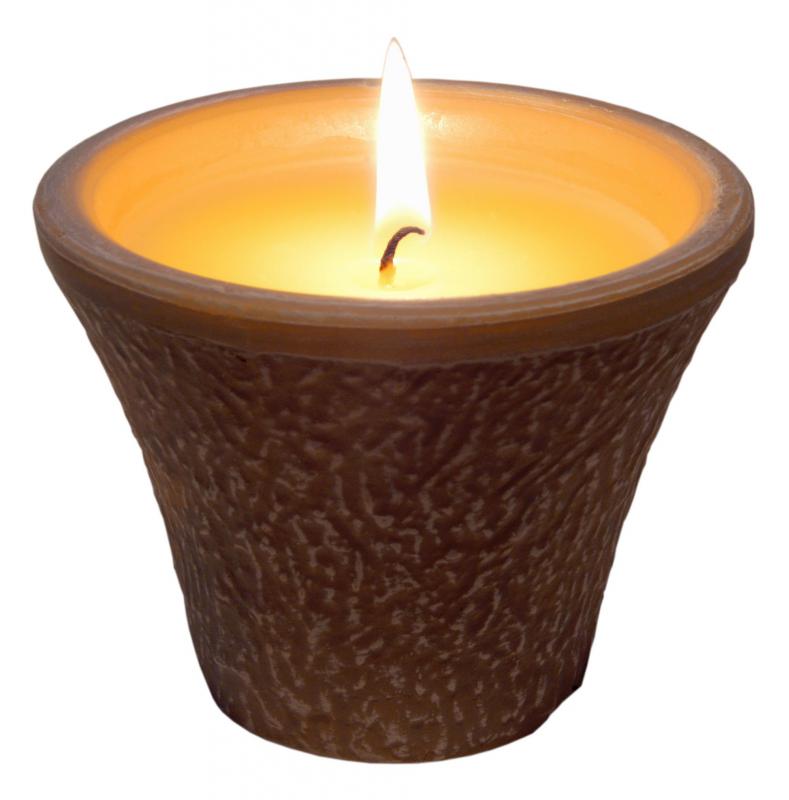
Some topical insect repellents work on midges, as do things like citronella candles. The flies are also very attracted to bug zappers, which should be located far from the house so that people do not deal with the resulting swarm. They are also attracted to light, leading many biologists to recommend that people wait to turn on outside lights at night until the cool of the evening has set in, causing most of the midges to retire for the night. It is also a good idea to locate light fixtures away from doorways and outside lounging areas, although the light can be aimed into these regions so that people can see.

To prevent midges from infesting a home and garden, it helps to get rid of all standing water. This will also discourage mosquitoes and other unwelcome visitors. If a house has a pond or watering trough for animals, it can be stocked with carp or goldfish, who will happily eat the tiny flies and their larvae before they become a problem.
Frequently Asked Questions
What exactly are midges?

Midges are small, flying insects belonging to the order Diptera, which also includes flies and mosquitoes. They are often found near water bodies and are known for their swarming behavior. Midges play a crucial role in the ecosystem as pollinators and as a food source for birds, bats, and fish.
How do midges differ from mosquitoes?
While both midges and mosquitoes are part of the same insect order, they differ in several ways. Midges, especially non-biting midges, typically do not feed on blood, whereas many mosquitoes are known for their blood-sucking habits. Additionally, midges are usually smaller and have more delicate bodies compared to mosquitoes.
Are all midges capable of biting?
No, not all midges bite. There are two main types of midges: biting and non-biting. Biting midges, such as those in the Ceratopogonidae family, feed on blood and can be a nuisance to humans and animals. Non-biting midges, like those in the Chironomidae family, do not bite and are harmless to humans.
What is the lifespan of a midge?
The lifespan of a midge can vary depending on the species. Generally, adult midges live for only a few weeks. Their life cycle includes four stages: egg, larva, pupa, and adult. The larval stage, which occurs in water, can last for several months, making it the longest stage in their life cycle.
Can midges transmit diseases?
Biting midges can transmit diseases, but it is less common than with mosquitoes. Some species of biting midges are known to carry viruses and parasites that can affect humans and animals. However, the majority of midges, particularly non-biting midges, do not pose a significant health risk and are not known to transmit diseases.
How can I prevent midge bites?
To prevent midge bites, it is recommended to wear protective clothing, use insect repellent, and avoid outdoor activities during peak midge activity times, such as dawn and dusk. Installing fine mesh screens on windows and doors can also help keep midges out of homes in areas where they are prevalent.
Mary McMahon
Ever since she began contributing to the site several years ago, Mary has embraced the exciting challenge of being a AllThingsNature researcher and writer. Mary has a liberal arts degree from Goddard College and spends her free time reading, cooking, and exploring the great outdoors.
Learn more...
Mary McMahon
Ever since she began contributing to the site several years ago, Mary has embraced the exciting challenge of being a AllThingsNature researcher and writer. Mary has a liberal arts degree from Goddard College and spends her free time reading, cooking, and exploring the great outdoors.
Learn more...AS FEATURED ON:
AS FEATURED ON:









-
![A swarm of midges.]() By: fabiosa_93A swarm of midges.
By: fabiosa_93A swarm of midges. -
![Midges may be attracted to water features.]()
Midges may be attracted to water features. -
![A citronella candle, which can repel midges.]() By: nick barounisA citronella candle, which can repel midges.
By: nick barounisA citronella candle, which can repel midges. -
![Goldfish can be added to a pond to get rid of midges.]() By: fivespotsGoldfish can be added to a pond to get rid of midges.
By: fivespotsGoldfish can be added to a pond to get rid of midges.



Discussion Comments
We live on 16 acres and have horses and a large pond. It is really hard to control the bugs during the hot weather. Midges seem to thrive in hot, humid and moist conditions. We love to fish in the pond but know we can't spend much time down there without some kind of insect repellent.
The thing with midges is that you can't hear them like you can when a mosquito is buzzing around your ear. They are smaller and quieter, but they are just as irritating.
We also have a water tank for our horses and this attracts midges as well. Between the midges, mosquitoes and flies, I feel so bad for the horses. We try to keep them sprayed and as comfortable as possible, but it looks like they are miserable a lot of the time.
We have lights installed right outside our front door and above the garage. About the only time we turn on the lights by the door is when we are expecting company. The light makes it nice for them to see where they are going, but it also attracts a lot of bugs, including the annoying midges and mosquitoes.
A swarm of midges is so annoying because they are so persistent and don't seem to back away no matter how much swatting you do. I have found most insect repellents to keep them away but don't like to spray myself with them any more than I have to.
I love spending as much time as I can outdoors when the weather is nice. I have a lot of flowers on my deck and put in a water garden right next to my deck. The water garden is both beautiful and relaxing.
I keep it stocked with goldfish which I hope helps keep down the population of midges. It is so much nicer to be able to relax outside without worrying about swatting mosquitoes and midges. I also have citronella candles burning when I am out there in the evening.
I know that standing water is not good to have around, but I have the water in my garden circulating all the time so it is never stagnant. I suppose midges play some kind of vital role in the balance of the eco-system, but I have yet to figure out what it is.
I hate midges just as much as I hate mosquitoes. I have a bad reaction to bug bites and they leave an area that is red, swollen and itchy for a long time. The biting midges are the worst as the bite will itch for days.
@irontoenail - Whether you like them or not it is always a good idea to get rid of standing water, or stock it with fish, particularly in the summer, or in tropical areas.
Mosquito borne diseases are becoming more and more common, and keeping their numbers down is important. Methods of midge repellent often work just as well for mosquitoes.
It's a strange feeling to walk into a cloud of midges. It's like they come out of nowhere.
Midge control helps to make them less irritating, but I kind of like seeing them swarm around a streetlamp. It just seems to go with a certain kind of summer night.
Post your comments