
At TheHealthBoard, we're committed to delivering accurate, trustworthy information. Our expert-authored content is rigorously fact-checked and sourced from credible authorities. Discover how we uphold the highest standards in providing you with reliable knowledge.
What are Microglia?
Microglia, also sometimes known as “Hortega cells,” are a special type of cell in the human brain and spinal cord. Their main job is to provide immune support and to protect the tissues of the brain and spine from invading microorganisms, diseases, and infections, and they are usually considered to be one of the most important supporting structures of the central nervous system (CNS). They primarily work through phagocytosis, which means that they consume invading or otherwise foreign particulates whole, then present them to other cells in the immune system for identification. Cells in this category also play an important role when it comes to protecting healthy cells from degeneration, and have been credited with slowing the progress of diseases like Alzheimer’s.
Understanding Brain Cells Generally

The brain is one of the body’s most active cell centers, and is the organ controls all of the body’s functions. Along with the spine, it houses the central nervous system, which is the main system of nerves and chemical signals that facilitates everything from muscle movement to feelings of sensations like pain. In general, the brain and spine enjoy a status known as “immune privileged,” which basically means that they get special immune protections in order to be sure they’re kept healthy. Microglial cells are a big part of this.
Immune Response

Microglia perform a wide range of immune response and defense functions within the CNS. They are sensitive to the environment and are able to detect the smallest changes in the biological makeup of the brain tissue. The cells scan the CNS to locate and neutralize any plaques, deoxyribonucleic acid (DNA) fragments, neural tangles, dead cells, damaged cells, and foreign materials. Some scholars have referred to them as the “housekeepers of the brain” since they essentially clean up cell debris.

The cells also play an important role in managing infectious viruses, such as the human immunodeficiency virus (HIV) and herpes simplex virus. They release neurotoxic secretions that battle HIV. Additionally, they release cytotoxic substances that aim to neutralize the herpes simplex virus. Diseases don’t have to be overly complicated or serious to trigger these cells, though. They manage almost any infection, including bacterial strains. Streptococcus pneumoniae, the bacterium that causes meningitis, is often a target, for instance.

Microglial cells are involved in protecting the brain and spinal cord from parasitic infections, as well. The phagocytosis of cerebral malaria and management of the damage caused by it is one example. Plasmodium falciparum is a parasite that causes malaria in humans. While most instances of malaria are easily treated, cerebral malaria is a serious complication that results when red blood cells break into the brain tissue and cause ischemia, which is a restriction in blood supply that causes dysfunction or damage to tissue.
Phagocytosis
Typically, microglia do their work through a process known as “phagocytosis.” In simple terms, this is the process of engulfing and killing bacteria, viruses, lipids, cellular waste and other substances. The cells destroy infectious organisms by releasing a variety of cytotoxic material, or toxic substances that damage cells and cause neuron death. There is an important balance here that the cells have to maintain, though. Cytotoxic secretions destroy bacteria, viruses, and infected neurons, but excessive cytotoxic amounts can cause nerve damage. As such, the cells usually need to be aware of their surroundings and only act when chemically reasonable.
Role in Neurodegeneration
Microglia typically also play a key role in neurodegeneration, which is the progressive loss of neurons from the brain that can lead to disability and death. They have been known to delay the progression of Alzheimer’s disease, which is a neuro-degenerative disease in which the brain develops abnormal clumps of cells and tangled neurons. The cells are also involved in managing and reducing the progression of Parkinson’s disease, which is a movement disorder of the CNS that impairs the speech, motor skills, and other bodily functions.
AS FEATURED ON:
AS FEATURED ON:


-
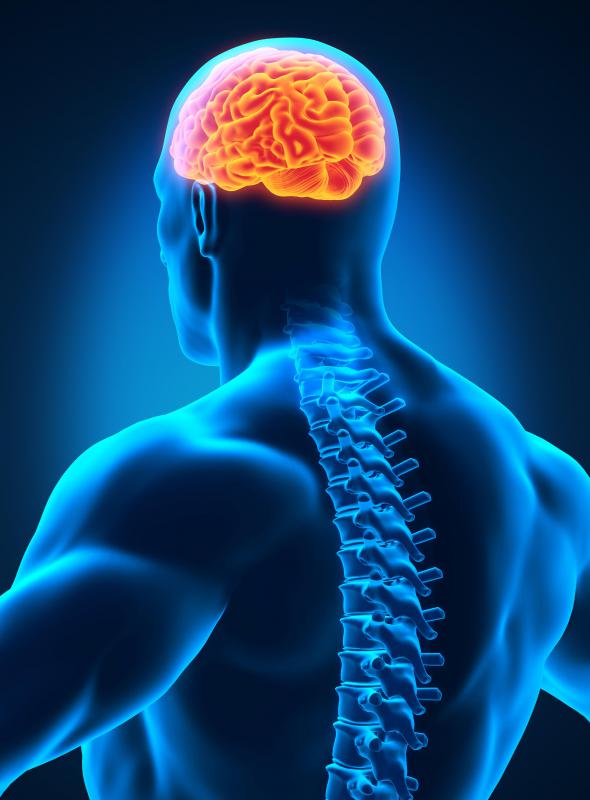
![Microglia reside in the brain and spinal cord.]() By: nerthuzMicroglia reside in the brain and spinal cord.
By: nerthuzMicroglia reside in the brain and spinal cord. -
![Microglia are active in defending the CNS from bacteria, such as streptococcus pneumoniae —which can cause meningitis.]() By: rob3000Microglia are active in defending the CNS from bacteria, such as streptococcus pneumoniae —which can cause meningitis.
By: rob3000Microglia are active in defending the CNS from bacteria, such as streptococcus pneumoniae —which can cause meningitis. -
![Microglial cells are involved in protecting the spinal cord from parasitic infections.]() By: freshideaMicroglial cells are involved in protecting the spinal cord from parasitic infections.
By: freshideaMicroglial cells are involved in protecting the spinal cord from parasitic infections. -
![Most instances of malaria are easily treated.]() By: claffraMost instances of malaria are easily treated.
By: claffraMost instances of malaria are easily treated.


Discuss this Article
Post your comments