
At InfoBloom, we're committed to delivering accurate, trustworthy information. Our expert-authored content is rigorously fact-checked and sourced from credible authorities. Discover how we uphold the highest standards in providing you with reliable knowledge.
What Are Microbial Insecticides?
 Tricia Christensen
Tricia Christensen
Tricia Christensen
Microbial insecticides are a form of pesticide that work by infecting selected insect populations with bacteria, viruses, amoebas, or fungi. Though this sounds potentially dangerous, many argue that it is actually quite safe, since the insecticide is specific to the species being targeted. These pesticides usually have no effect on animal populations, unless diminishing a certain bug in the area interrupts the food chain. Each type usually works against only one type of insect.
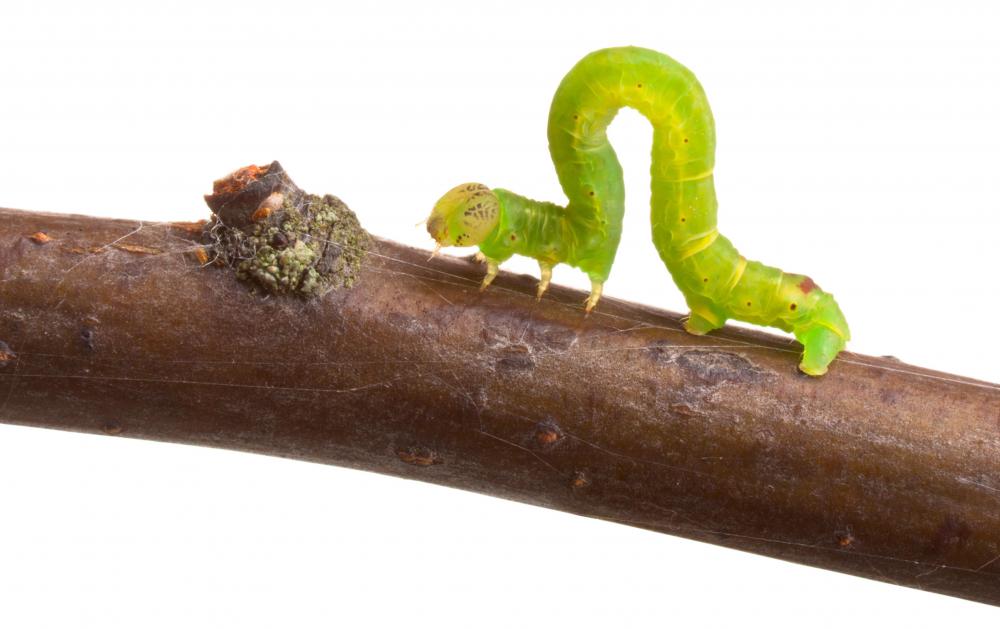
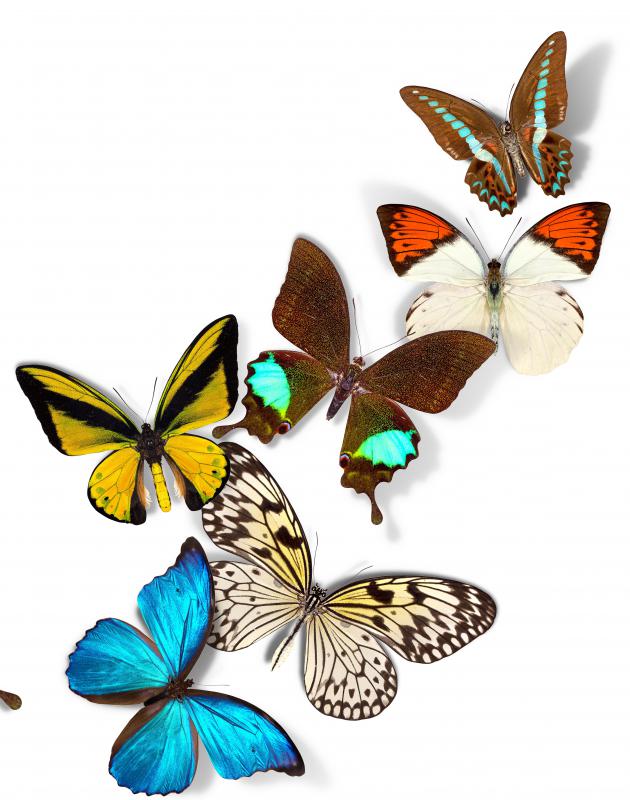
Bacterial insecticides may be used to control certain types of caterpillars that eat crops. They will kill caterpillars of both moths and butterflies, though, and should only be used where they will not diminish a butterfly population. Normally, this preparation is sprayed directly on crops. One bacterial product works specifically on mosquito populations. It is considered extremely beneficial in eliminating populations that might spread the potentially deadly West Nile virus.

Several viral microbial insecticides work to first sicken and kill some insect species. They may affect moths and sawflies, depending upon the virus used. Fungal insecticides may be used on cockroaches, and create disease among a whole population. Amoebic ones may not kill an insect but may shorten its lifespan or cause it not to reach sexual maturity.

While microbial insecticides may be useful for killing a single type of insect, people who have an infestation of several different types of bugs may require the use of several different sprays. Since these products are so species-specific, they are unlikely to harm any other bugs eating up or infesting crops, so they may not reduce all infestations at the same time.

These pesticides also tend to be more vulnerable to outdoor elements. Long exposure to the sun or heavy rains can kill certain bacteria, for example. Therefore, those attempting to control insect populations must time their application carefully to achieve the maximum effect.
Some scientists have expressed some concern about they safety of microbial insecticides. Experts know for certain that living creatures, even at the microscopic level, change and evolve, as do the creatures they affect. Certain bugs might develop resistance to the bacteria or viruses used to kill them, or the insecticides might mutate and affect other populations. These uncertainties concern some environmentalists who view the widespread use of microbial products as potentially dangerous in the future.

For now however, other environmentalists are celebrating the development of species-specific agents that seem a better alternative to more frequently used poisons. These individuals argue that microbial insecticides offer a way to get rid of harmful insects by keeping beneficial insects safe.
Tricia Christensen
Tricia has a Literature degree from Sonoma State University and has been a frequent InfoBloom contributor for many years. She is especially passionate about reading and writing, although her other interests include medicine, art, film, history, politics, ethics, and religion. Tricia lives in Northern California and is currently working on her first novel.
Learn more...
Tricia Christensen
Tricia has a Literature degree from Sonoma State University and has been a frequent InfoBloom contributor for many years. She is especially passionate about reading and writing, although her other interests include medicine, art, film, history, politics, ethics, and religion. Tricia lives in Northern California and is currently working on her first novel.
Learn more...AS FEATURED ON:
AS FEATURED ON:









-
![Some forms of microbial insecticides may be used to kill cockroaches.]() By: R_RSome forms of microbial insecticides may be used to kill cockroaches.
By: R_RSome forms of microbial insecticides may be used to kill cockroaches. -
![Some microbial insecticides work well to kill mosquitoes.]() By: hjschneiderSome microbial insecticides work well to kill mosquitoes.
By: hjschneiderSome microbial insecticides work well to kill mosquitoes. -
![Macrobial insecticides can be used to help control caterpillars that eat crops.]() By: FotofermerMacrobial insecticides can be used to help control caterpillars that eat crops.
By: FotofermerMacrobial insecticides can be used to help control caterpillars that eat crops. -
![Microbial insecticides can be sprayed on fields by crop dusters.]() By: SlyMicrobial insecticides can be sprayed on fields by crop dusters.
By: SlyMicrobial insecticides can be sprayed on fields by crop dusters. -
![Microbial insecticides contain some kind of bacterium, virus, amoeba or fungus.]() By: HemeroskopionMicrobial insecticides contain some kind of bacterium, virus, amoeba or fungus.
By: HemeroskopionMicrobial insecticides contain some kind of bacterium, virus, amoeba or fungus. -
![Bacterial insecticides can cause damage to butterfly populations.]() By: boule1301Bacterial insecticides can cause damage to butterfly populations.
By: boule1301Bacterial insecticides can cause damage to butterfly populations. -
![People who have an infestation of several different types of bugs may require the use of several different sprays.]() By: Tan Kian KhoonPeople who have an infestation of several different types of bugs may require the use of several different sprays.
By: Tan Kian KhoonPeople who have an infestation of several different types of bugs may require the use of several different sprays.





Discussion Comments
What are examples of microbial insecticides for mosquitoes?
Post your comments