
At TheHealthBoard, we're committed to delivering accurate, trustworthy information. Our expert-authored content is rigorously fact-checked and sourced from credible authorities. Discover how we uphold the highest standards in providing you with reliable knowledge.
What are Lipids?
In biochemistry, lipids are molecular organic compounds, composed largely of carbon and hydrogen, that are essential for cell growth. Lipids are non-soluble in water and combine with carbohydrates and proteins to form the majority of all plant and animal cells. They are more commonly synonymous with the word "fats" when speaking in terms of personal health. Although all fats are lipids, not all lipids are fats.
Purposes

The three major purposes of lipids in the body are storing energy, aiding the development of cell membranes and serving as components of hormones and vitamins. In healthcare, physicians order lipid tests or lipid profiles to measure cholesterol and triglycerides in a person's blood. "Lipoprotein" is the medical term used to refer to a combination of fat and protein.
Cholesterol

Cholesterol is a naturally occurring substance in the body and is comprised of lipids. It is separated into two types: high-density lipoprotein (HDL) and low-density lipoprotein (LDL). HDL is often referred to as "good cholesterol" because it is beneficial to a person's health. LDL is often called "bad cholesterol" because too much of it can be harmful.
Testing

In a lipid test, the lipoproteins are separated so that the level of each one in the patient's blood can be measured. Lipid tests are often part of preventative routine care because they help determine whether there is significant risk for artherosclerosis, a hardening of the arteries that interferes with or interrupts blood flow. Lipoprotein levels in the blood are measured, and dietary changes usually are in order when total cholesterol levels approach certain levels or when there are unsatisfactory ratios of total cholesterol to HDL or of HDL to LDL.
Fatty Acids

Fatty acids, which also are comprised of lipids, are an important dietary concern. Some fatty acids are essential, and others are harmful. Fatty acids are categorized as mono-saturated, mono-unsaturated or poly-unsaturated. Some essential fatty acids cannot be created by the body and must be consumed in the diet through foods such as fish and beans. Other essential fatty acids include linoleic acid and alpha-linolenic acid, which are available from sources such as many common vegetable oils and seed oils.
Saturated and Unsaturated Fats

Saturated fats come mostly from animal sources such as milk, butter and meats, as well as certain plant sources, such as coconut milk and cocoa butter. Excessive consumption of foods containing high levels of saturated fat may raise cholesterol levels in the blood. Unsaturated fats are mostly of vegetable origin, although some types of seafood also contain unsaturated fats. These fats help decrease a person's blood cholesterol levels.
AS FEATURED ON:
AS FEATURED ON:


-
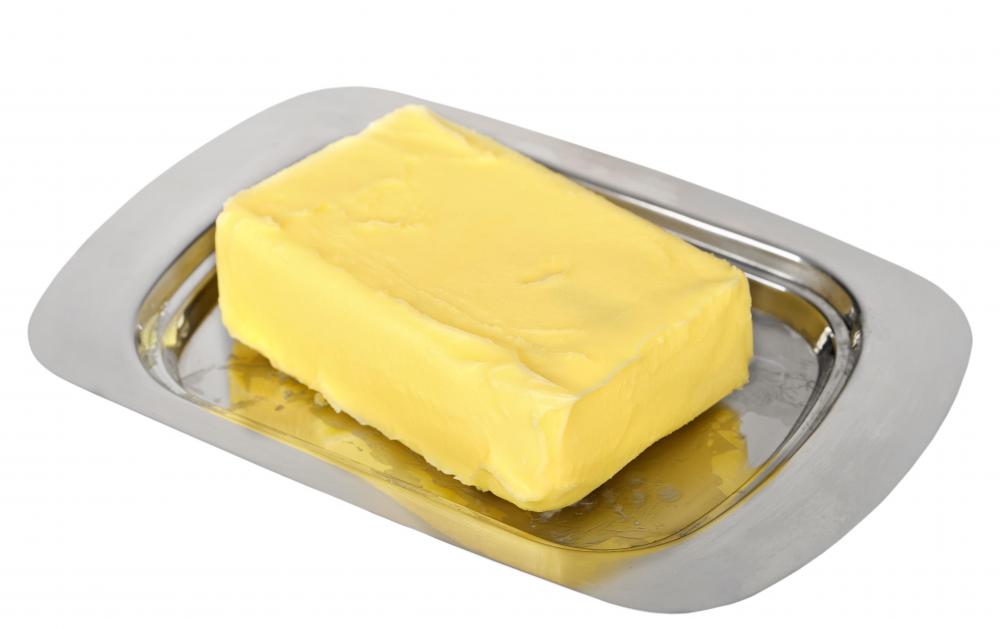
![Butter is a saturated fat and extreme consumption of it may raise cholesterol levels in the blood.]() By: Igor KovalchukButter is a saturated fat and extreme consumption of it may raise cholesterol levels in the blood.
By: Igor KovalchukButter is a saturated fat and extreme consumption of it may raise cholesterol levels in the blood. -
![Olive oil and other monounsaturated fats are derived from plants and can reduce cholesterol.]() By: Luis Carlos JiménezOlive oil and other monounsaturated fats are derived from plants and can reduce cholesterol.
By: Luis Carlos JiménezOlive oil and other monounsaturated fats are derived from plants and can reduce cholesterol. -
![Lipid tests measure the overall level of good and bad cholesterol in blood.]() By: JPC-PRODLipid tests measure the overall level of good and bad cholesterol in blood.
By: JPC-PRODLipid tests measure the overall level of good and bad cholesterol in blood. -
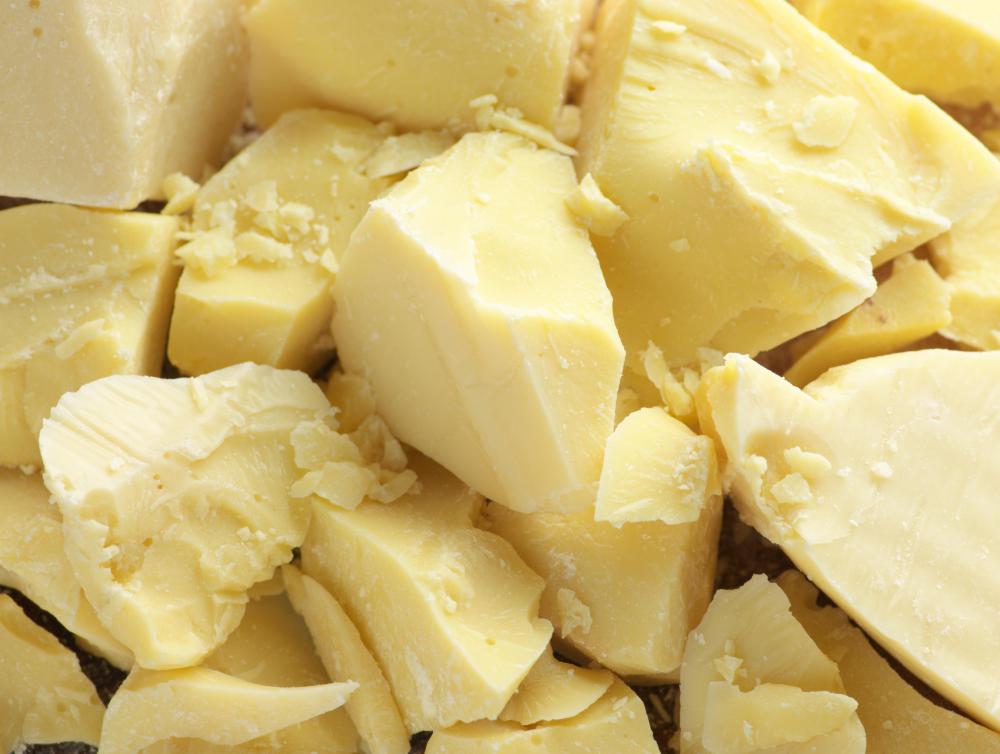
![Lipids include saturated fats from things like cocoa butter.]() By: svl861Lipids include saturated fats from things like cocoa butter.
By: svl861Lipids include saturated fats from things like cocoa butter. -
![The body produces low-density lipoprotein and high-density lipoprotein cholesterol, that both consist of lipids.]() By: rob3000The body produces low-density lipoprotein and high-density lipoprotein cholesterol, that both consist of lipids.
By: rob3000The body produces low-density lipoprotein and high-density lipoprotein cholesterol, that both consist of lipids.



Discussion Comments
My cholesterol is all in the normal range, as it always has been, yet when I got back from the doctor today I noticed he wrote one of my diagnoses as 'other and unspecified hyperlipidemia'. What is that referring to?
OK. I just got back my husband's results. his cholesterol is 539 and his triglycerides is 2482. What can we do to get this lowered? I am very concerned!
what are the major groups or gases of lipids?
Total lipid levels (i.e., 200) alone is not a sufficient indication to cholesterol levels and risk. The ratio of total cholesterol to HDL is also important in assessing cholesterol. Doctors recommend it to be less than 4, but I think they say 4.5 is average. Another important ratio when talking about cholesterol is the HDL to LDL ratio or the ratio of good cholesterol (HDL) to bad cholesterol (LDL). I think the HDL/LDL ratio should be 0.3 and even better 0.4. And even more, they say that LDL, regardless of the ratios should be less than 100 or even better 80.
Post your comments