
At DelightedCooking, we're committed to delivering accurate, trustworthy information. Our expert-authored content is rigorously fact-checked and sourced from credible authorities. Discover how we uphold the highest standards in providing you with reliable knowledge.
What are Juniper Berries?
 Mary McMahon
Mary McMahon
Mary McMahon
Juniper berries are the uniquely evolved cones of evergreen shrubs in the Juniper genus. The scales of these cones have evolved into a fleshy layer that causes the cones to look like berries when they are mature. Humans have historically had a number of uses for these "berries," as both a medicinal ingredient and a source of flavoring. The characteristic flavor of gin, for example, comes from them, and they are used in a variety of spice mixes such as the classic blend of spices in Alsatian food.
Junipers are evergreen shrubs that are found in temperate zones of both Europe and North America. Not all junipers produce usable berries, but those that do yield cones with a characteristic tart, resinous flavor. The earliest recorded use of juniper berries appears to have been in Ancient Greece, when the cones were given to athletes as a medicinal treatment. The Ancient Egpyptians also used them, as evidence in tombs and on wall paintings indicates.

The Dutch were the first to use juniper berries in an alcohol when they made gin, although this spirit was intended initially as a medicinal treatment, rather than a recreational beverage. The grain alcohol in gin was originally used as a suspension medium for the beneficial juniper, and people developed a taste for this particular medical formula. The Dutch believed that the berries promoted healthy joints, and they also used them as an appetite stimulant.

Juniper berries do actually have one very useful medical property: they act as a diuretic. They are often included in herbal blends that are meant to cleanse the kidneys and the liver, since they help to flush toxins from the body. Caution should be taken when consuming the berries, however, as they have been shown to induce labor; pregnant women should obviously avoid gin anyway because of the alcohol, but they should also steer clear of herbal formulas with juniper.

In cooking, juniper berries are used to add their unique flavor to meats and other dishes. Scandinavians often use them in pickling blends, because the berries have a “clear” flavor that many people find quite enjoyable. Before using the berries in cooking, they should be lightly crushed to release their flavor, as the external scales of the cones are not very flavorful. The cones are available in both fresh and dried form; fresh ones have a more assertive flavor, and they are preferable, when available.
Mary McMahon
Ever since she began contributing to the site several years ago, Mary has embraced the exciting challenge of being a DelightedCooking researcher and writer. Mary has a liberal arts degree from Goddard College and spends her free time reading, cooking, and exploring the great outdoors.
Learn more...
Mary McMahon
Ever since she began contributing to the site several years ago, Mary has embraced the exciting challenge of being a DelightedCooking researcher and writer. Mary has a liberal arts degree from Goddard College and spends her free time reading, cooking, and exploring the great outdoors.
Learn more...AS FEATURED ON:
AS FEATURED ON:


-
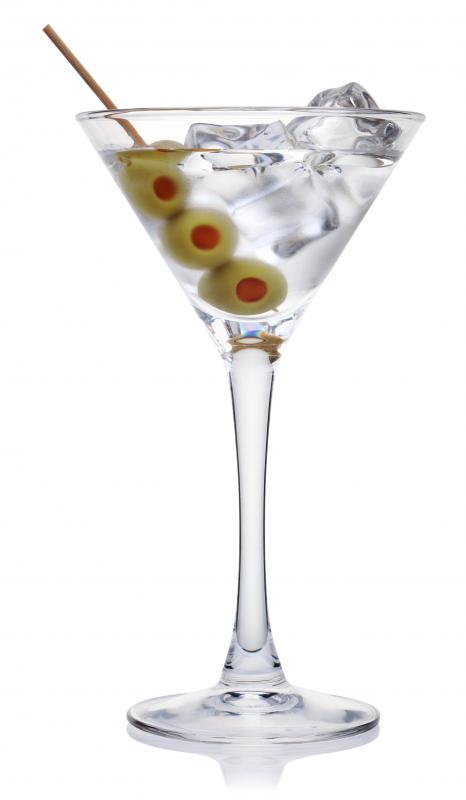
![Gin's flavor comes from juniper berries.]() By: Juri SamsonovGin's flavor comes from juniper berries.
By: Juri SamsonovGin's flavor comes from juniper berries. -
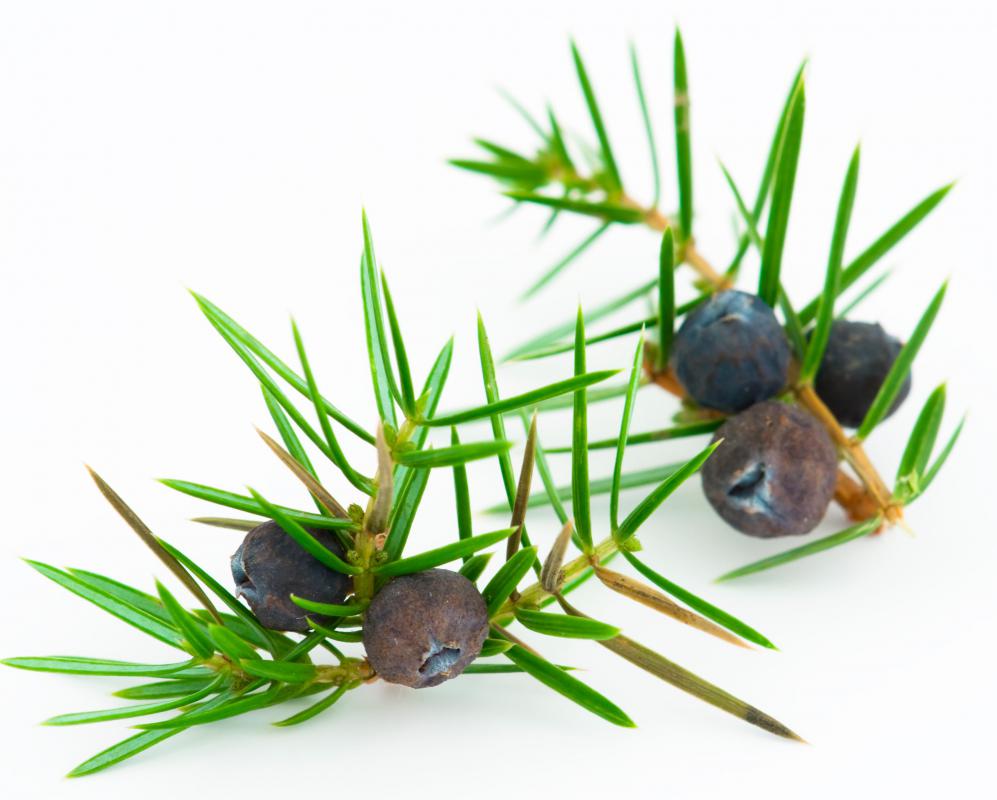
![Juniper berries are actually a form of conifer cones.]() By: Dani VincekJuniper berries are actually a form of conifer cones.
By: Dani VincekJuniper berries are actually a form of conifer cones. -
![Juniper berries may induce labor.]() By: LanaKJuniper berries may induce labor.
By: LanaKJuniper berries may induce labor. -
![Juniper berries are often included in herbal blends that are meant to cleanse the liver.]() By: pixdesign123Juniper berries are often included in herbal blends that are meant to cleanse the liver.
By: pixdesign123Juniper berries are often included in herbal blends that are meant to cleanse the liver.


Discussion Comments
My mother was allergic to juniper berries. We found out about it because she had a reaction when she drank a mixed drink with gin.
We never cooked with the juniper berry spice and we didn’t use any herbal remedies with juniper. I think her reaction would have been even more severe if we had.
So this is just a word to the wise to be careful if you want to cook with juniper berries. Although it is an uncommon allergy it does happen.
Besides pregnancy there are also other health conditions that do not tolerate juniper berries well. Diabetes and kidney problems are two of them. So be cautious when using this berry for cooking or as an herbal treatment.
I was recently reading about the juniper tree. I have always thought it was a beautiful tree and enjoyed seeing what a bonsai enthusiast can do with the juniper tree. It is truly amazing and even striking.
What I didn’t know about was the medicinal value of the tree and how the juniper berry benefits your health. The oil from juniper tree berries has been used to treat a wide range of disorders. One article I read mentioned it has been used to treat things ranging from acne to urinary tract infections.
Post your comments