
At TheHealthBoard, we're committed to delivering accurate, trustworthy information. Our expert-authored content is rigorously fact-checked and sourced from credible authorities. Discover how we uphold the highest standards in providing you with reliable knowledge.
What are Free Radicals?
Free radicals, also known simply as radicals, are organic molecules responsible for aging, tissue damage, and possibly some diseases. These molecules are very unstable, therefore they look to bond with other molecules, destroying their health and further continuing the damaging process. Antioxidants, present in many foods, are molecules that prevent free radicals from harming healthy tissue.
Radicals do play a key role in several biological processes. They play a part in the work of the white blood cells called phagocytes, which "eat" bacteria and other pathogens in the body. They also are believed to be involved in a process called redox signaling, where they are thought to act as cellular messengers.
The Problem with Radicals

Some molecules are unstable. They do not have an even number of electrons, so they are always searching for an extra electron they can "steal" to become stable. Out in the world, this is a normal process, but in the body, it can result in unnecessary and unwanted damage.
Free radicals are "free" because they float around until they stabilize, and "radical" in the sense that there are a wide variety of molecules from which they can take an electron. The damage doesn't stop there, however, as the new molecule, say a piece of a cell wall, is now also missing an electron and has become another free radical. This snowball effect can wreak havoc on healthy tissue.
How Antioxidants Can Help

One way to feed the hungry electron-appetite of free radicals is to eat more antioxidants. Antioxidants are molecules found in fresh foods like vegetables and fruits, particularly in the vitamins found in these foods, including A, E, and beta-carotene. These molecules act like a giant boulder in the path of the snowball, stopping free radicals from causing untold damage. It's better to get antioxidants from a balanced diet, rather than vitamin supplements, because the body can more easily absorb them.

Some processes brought about by free radicals are inevitable, such as aging, but others can be prevented, like destruction of DNA or clogging of arteries. Free radicals are created by environmental pollution, cigarette smoking, and poisons like cleaners or herbicides. Their role in certain types of cancer, strokes, and heart disease is still being investigated. Preliminarily, low concentrations of free radicals have been associated with a reduced risk for heart disease and stroke, but more studies are needed to understand their relationship.
AS FEATURED ON:
AS FEATURED ON:


-
![Fresh vegetables contain antioxidants, which help prevent damage from free radicals.]() By: Fatman73Fresh vegetables contain antioxidants, which help prevent damage from free radicals.
By: Fatman73Fresh vegetables contain antioxidants, which help prevent damage from free radicals. -
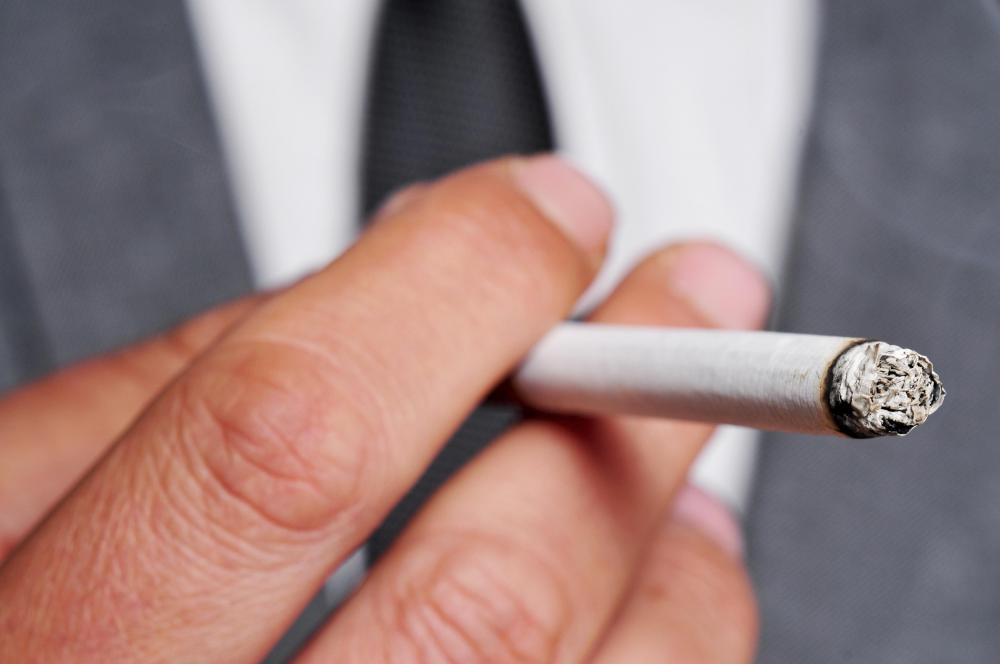
![Cigarette smoking creates free radicals.]() By: nitoCigarette smoking creates free radicals.
By: nitoCigarette smoking creates free radicals. -
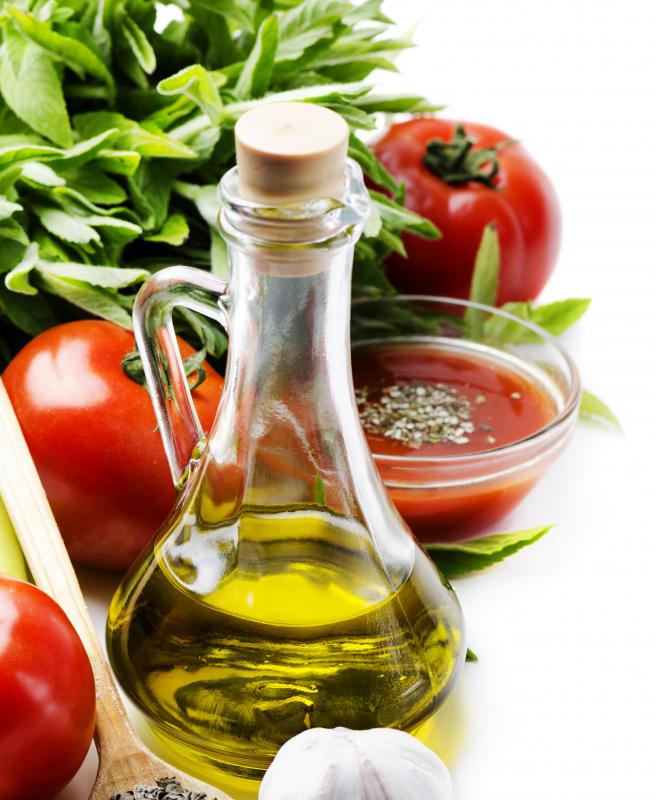
![Red tomatoes are packed with lycopene, which can help neutralize excess free radicals in the body.]() By: hitdelightRed tomatoes are packed with lycopene, which can help neutralize excess free radicals in the body.
By: hitdelightRed tomatoes are packed with lycopene, which can help neutralize excess free radicals in the body. -
![The body can more easily absorb antioxidants from a balanced diet than from vitamin supplements.]() By: apichaiThe body can more easily absorb antioxidants from a balanced diet than from vitamin supplements.
By: apichaiThe body can more easily absorb antioxidants from a balanced diet than from vitamin supplements. -
![Some harsh cleaning products create free radicals.]() By: diego cervoSome harsh cleaning products create free radicals.
By: diego cervoSome harsh cleaning products create free radicals.



Discussion Comments
Life and death begins in the colon. We should cleanse our colon first to absorb all vitamins and minerals just for 30 seconds. We are overfed but undernourished. I recommend people eat super foods, natural and organic.
Free radicals are our main enemies in getting healthy, younger looking skin. However, there are so many natural ways to battle them. With the help of a healthy lifestyle and exercise, and by taking a supplement for healthy skin, like in my case I use Astaxanthin.
Don't microwave your food. Microwaving and irradiation helps create free radicals. Slow down and use your oven to heat things up on the stove, especially breast milk and formula.
Food is medicine and cures most ailments. I have seen people in their 80s living healthily by using natural food. Some have not had injected medicine even once and most cases are from rural places where there is little pollution. Unnatural and bad foods work as poison.
Way, way back, my mother said to eat fish, hat it will make you smarter, and I remember thinking Albert Einstein must have had nothing but fish. But at least it attacked one problem. This antioxidant cures everything: heart blood, waist fat and hair loss, as does the old "snake oil" which was sold to cure everything.
Someone told my wife that it will "cure" infections (leg) so I take it but cannot believe in it. Question: is belief necessary for a cure?
So are UVA/ UVB rays free radicals? Just wanted to know. --Seventh grade student
Gah! What a bunch of crap. Free radicals are necessary for us to live. We are evolved to create them and manage them. Study some biochemistry and don't fall prey to quack snake oil product sales.
Ingested antioxidants can only neutralize and kill 1 free radical per 1 ingested antioxidant molecule. Better to boost the body's own antioxidants. One molecule of Protandim can kill and neutralize 1,000,000 free radicals per second, 24/7.
A toxic environment along with natural aging will produce free radicals in the healthiest of people.
Supplements/juices, etc may claim to help, but without "Redox Signaling molecules" to oversee that chemical pathway; you're not getting your desired effect. (If your power goes off, you don't replace the light bulbs)
"Redox signaling" is what increases your bodies own anti-oxidants: Glutathione. SOD & Catalase; i.e. no need to ingest them from outside sources.
Juices, herbs, etc may be "natural", but your body doesn't contain them.
There is now a product that is an optimized, balanced and stabilized "Redox Signaling Molecules" on the market as of Oct. 2010.
It's "native" to the body-your so the body will recognize it and know how to use it. It's non-toxic and safe with any Rx drugs one is taking (no contraindications). It sets up the body's own biochemical environment to the optimum so that the body will know how to deal with any oxidative stress it finds via increased native antibody production and enhanced cellular communication.
best one in the world is JUS, by far. It's the best product you can get, it has 23 different berries, including those listed here.
I would recommend the 64 fl oz. Acai Berry Juice from Sams Club or for an extra dollar from Walmart. From South America packed with minerals and vitamins. Don't drink it straight, which may give you the runs, just take a shot when ever you feel hungry. In addition to feeling great, you will probably lose many pounds. I lost 30.
In addition, machines like the Novalite Tesla Photon Generator provide the extra electrons needed to combat aging and disease.
I would suggest before going forward for this discussion, to really dig deeper into the cause and effects of "free radicals" and how you can combat such.
and after a full comprehension, i recommend the use or to take "C24/7" of Natures Way through Alliance in Motion Global to get the answer.
I feel liposomal vitamin C is the answer to eradicating free radicals. I have been making my own now for six months and take it for bowel tolerance, with amazing success.
free radicals are actually very damaging in our body. all of you need to drink more fruit juice especially berry and aloe vera. I guarantee you will see results in a week.
i believe most people do not know what is right for their bodies world over.Food nutrition is the answer to so many ailments and related diseases.
Moses kalema- Kampala, Uganda
I still believe the food supply of antioxidants is the best and probably most affordable especially to au in sub-saharan Africa where supplements are economically impossible to have. Moreover, most foods eaten by ruling folks here are locally grown. So it is better they are educated to grow and consume antioxidants rich foods. William T. Ghana
I am with Twigs. In "theory" we should be able to ingest a suitable level of anti-oxidants in our diets, but if we didn't grow the food ourselves the commercial food supply is full of pollutants.
Supplements and informed food management is the only way to ensure you're not putting yourself at risk.
@Twigs you are absolutely totally correct in your statement. Our fruits and vegetables are picked from depleted and over chemically treated soils. Therefore we can not get these vitamins naturally anymore. These days supplementation is the only way.
I would like to make a comment on your statement "..better to get antioxidants from a balanced diet, rather than vitamin supplements.."
While in the ideal world this may be the case, the modern world is a toxic one. Many, many commercially produced foods are grown in mineral-depleted soils and are, therefore, deficient in many of the required nutrients.
Still more foods are are laden with toxins (herbicides/pesticides/growth hormones etc etc) - the presence of which can cause oxidative stress and damage to the very cells we seek to protect.
Unless one is consuming a totally organic/GE free diet then I would argue that supplementation is the only way of ensuring our bodies are given the full range of vitamins and minerals it needs to fight the increasing numbers of free radicals in our modern foods.
I recommend watching the DVD "Food Matters" if you want to find out more.
I think if we do regular exercise and meditation on regular, we can reduce the chances of developing these. love
I believe they can as we know the skin is our biggest organ and they apply medicines topically
A lot of facial skin treatments suggest that they can fight the damage caused by free radicals - can a lotion really do that?
Post your comments