
At TheHealthBoard, we're committed to delivering accurate, trustworthy information. Our expert-authored content is rigorously fact-checked and sourced from credible authorities. Discover how we uphold the highest standards in providing you with reliable knowledge.
What are Flexible Dentures?
Flexible dentures are considered a more comfortable, practical alternative to hard dentures, which can cause discomfort, especially as the shape of the gums changes with age. They combine prosthetic teeth with a soft, nylon base that is capable of conforming to the shape of the gums, even as they change with time. They are considered more durable and capable of offering greater chewing capability. This type of dentures are also typically more discreet, more hygienic, and faster to make than hard dentures.
Hard, traditional dentures are often molded from acrylic, which does not generally conform to the shape of the mouth. Acrylic dentures are known for rubbing against the gums and causing pain and discomfort. They also often require adhesives to hold them in place.

Flexible dentures are designed to adhere to the shape of the jawbone. They do not require any adhesive or other devices to fasten them to the gums, so they are generally a tighter, more comfortably fitting dental appliance. Because flexible ones generally fit better than hard dentures without causing discomfort, they may allow patients the ability to chew even difficult foods, like apples.

A durable, translucent nylon is used to form the base of flexible dentures. Prosthetic teeth are them embedded in them. Because the nylon base is translucent, the dentures blend in with the natural color of the gums and are considered more discreet than traditional dentures. Prosthetic teeth are usually designed to match the dental patient's aesthetic choices. The nylon base is typically quite tough, and while the teeth may crack in some conditions, the flexible nylon base is capable of withstanding rough handling.
Unlike many hard dentures, flexible dentures are non-porous. They do not typically encourage the growth of bacteria, so they are considered more hygienic than hard dentures.

Nylon dentures can be easier to make than their hard, acrylic counterparts. When acrylic dentures are manufactured, multiple adjustments to the fit are generally needed. Dentures made with a flexible nylon base are often easier to fit and easier to manufacture, so patients may find that dentures made with a flexible base are made much more quickly than traditional dentures.
AS FEATURED ON:
AS FEATURED ON:


-
![Flexible dentures are meant to be more comfortable and hygienic than hard dentures.]() By: Gina SandersFlexible dentures are meant to be more comfortable and hygienic than hard dentures.
By: Gina SandersFlexible dentures are meant to be more comfortable and hygienic than hard dentures. -
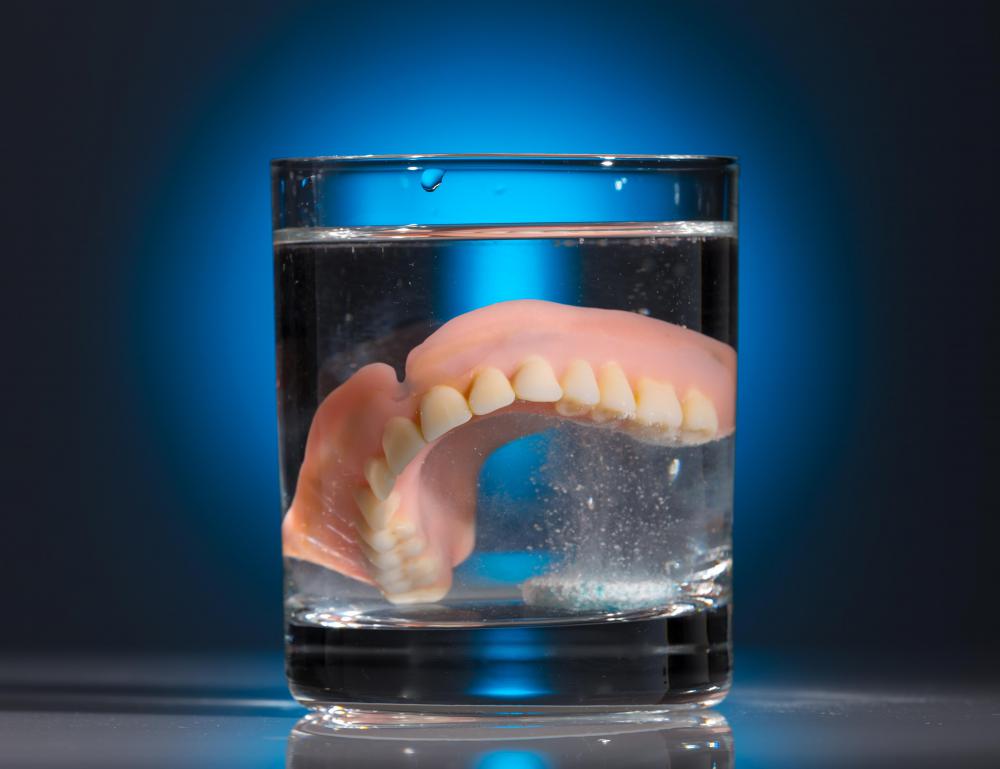
![Unlike many hard dentures, flexible dentures do not typically encourage the growth of bacteria.]() By: BartkowskiUnlike many hard dentures, flexible dentures do not typically encourage the growth of bacteria.
By: BartkowskiUnlike many hard dentures, flexible dentures do not typically encourage the growth of bacteria. -
![Acrylic dentures are known for causing pain and discomfort.]() By: JanMikaAcrylic dentures are known for causing pain and discomfort.
By: JanMikaAcrylic dentures are known for causing pain and discomfort. -
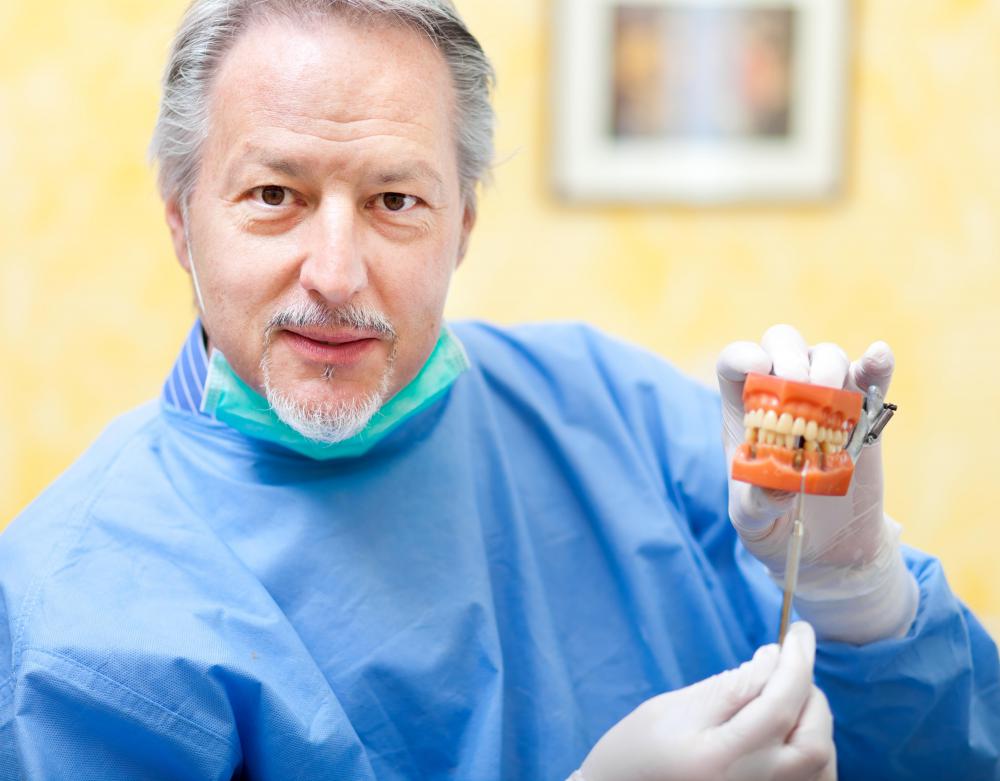
![Dentures may be worn if a patient's teeth begin to fall out.]() By: Warren GoldswainDentures may be worn if a patient's teeth begin to fall out.
By: Warren GoldswainDentures may be worn if a patient's teeth begin to fall out. -
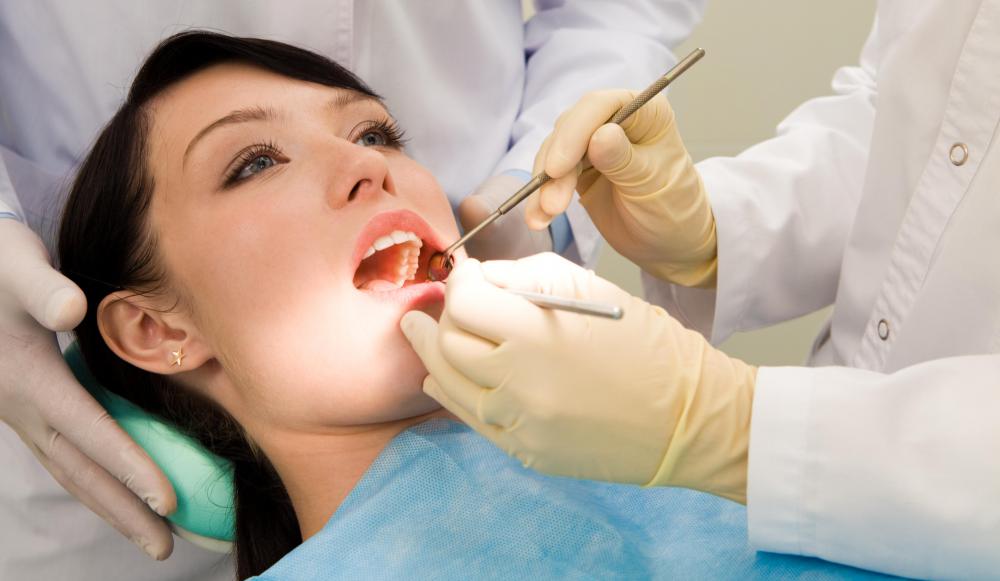
![Dentures can cause discomfort as the shape of the gums changes with age.]() By: Andrey KiselevDentures can cause discomfort as the shape of the gums changes with age.
By: Andrey KiselevDentures can cause discomfort as the shape of the gums changes with age. -
![Wearing ill-fitting dentures can increase air intake and cause flatulence.]() By: Minerva StudioWearing ill-fitting dentures can increase air intake and cause flatulence.
By: Minerva StudioWearing ill-fitting dentures can increase air intake and cause flatulence. -
![With proper maintenance of oral hygiene, a set of dentures may last for many years.]() By: pressmasterWith proper maintenance of oral hygiene, a set of dentures may last for many years.
By: pressmasterWith proper maintenance of oral hygiene, a set of dentures may last for many years.


Discussion Comments
Where can I get flexible dentures?
How do I find dentist who fits flexible dentures?
Post your comments