
At TheHealthBoard, we're committed to delivering accurate, trustworthy information. Our expert-authored content is rigorously fact-checked and sourced from credible authorities. Discover how we uphold the highest standards in providing you with reliable knowledge.
What are Flavonoids?
Flavonoids are a type of compound found in many different foods. There are several thousand types, which are broken down into six subgroups: chalcones, flavones, flavonols, flavanones, anthocyanins, and isoflavonoids. They all serve a variety of functions in plants, and are thought to be associated with a number of health benefits for humans. They may be connected with some adverse health conditions as well, but there are no widely-reported side effects. There are many different sources of flavonoids, including berries, tea, wine, beer, chocolate, many vegetables, and most fruits.
Potential Health Benefits

Research on the potential health benefits of these compounds is mostly focused on the way they interact with other substances, especially in terms of their antioxidant activity. Antioxidant substances are able to change or neutralize the effects of reactive substances called free radicals that can damage cells, leading to disease. Many of the studies on flavonoids have been done on materials in test tubes or animals, so it's not entirely clear how effective they are in humans, but they may lower the risk of a variety of health problems, including cardiovascular disease, age-related degenerative diseases, and cancers. They may also help prevent tooth decay and reduce the occurrence of common illnesses, like the flu.

Flavonoids appear to have a symbiotic relationship with vitamin C, and are thought to change the way that cells associated with inflammation act, preventing or reducing it. Several studies show that they can disrupt the function of certain viruses and bacteria, including those associated with Human Immunodeficiency Virus (HIV) and certain types of herpes. They may also improve symptoms related to psychological disorders, including mood instability, memory problems, and depression.
Potential Side Effects

There are no widely known side effects of flavonoids, even when they are taken in very large concentrations; however, some people do appear to have individual sensitivities to specific kinds. One type, catechin, can cause a fever, anemia, and hives, though this is uncommon. Several studies showed that these substances do cause changes in certain genes like those associated with some cancers, but these results have not been seen in other studies.
Sources and Consumption

Most fruits and berries contain these compounds, though blueberries, cranberries, bananas, oranges, and apples are known for being particularly flavonoid-rich. Vegetables, especially broccoli, onions, spinach, eggplant, and tomatoes, are excellent sources as well. Beer, red wine, various nuts and beans, and dark chocolate also contain flavonoids, as do a wide range of teas. It's best to consume this nutrient directly from foods as part of a varied diet, rather than via a dietary supplement, as the effectiveness of isolated flavonoids is unclear. Cooking, processing, and high acidity environments all reduce the amount of flavonoids in foods.
Role in Plants

In plants, these substances provide pigmentation and help filter UV rays. They also help protect the plants from microbe, fungus, and insect attacks; and help plants survive frost and droughts. Additionally, they help promote or inhibit the growth of certain plant parts, including seeds and pollen tubes, and are used as chemical signals to tell plant cells when to stop or start doing things.
AS FEATURED ON:
AS FEATURED ON:


-
![Blueberries have lots of flavonoids, which can reduce the risk of heart disease and some cancers.]() By: Mariusz BlachBlueberries have lots of flavonoids, which can reduce the risk of heart disease and some cancers.
By: Mariusz BlachBlueberries have lots of flavonoids, which can reduce the risk of heart disease and some cancers. -
![Cranberries (and cranberry juice) are particularly flavonoid-rich.]() By: Galina MikhalishinaCranberries (and cranberry juice) are particularly flavonoid-rich.
By: Galina MikhalishinaCranberries (and cranberry juice) are particularly flavonoid-rich. -
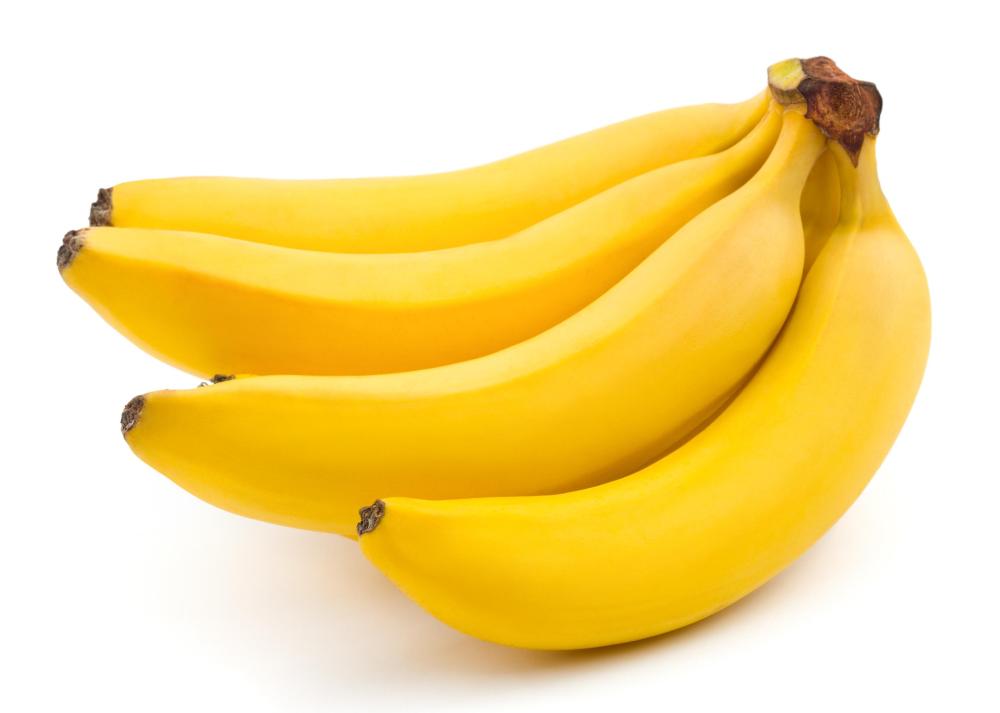
![Bananas are high in flavonoids.]() By: Nikolai SorokinBananas are high in flavonoids.
By: Nikolai SorokinBananas are high in flavonoids. -
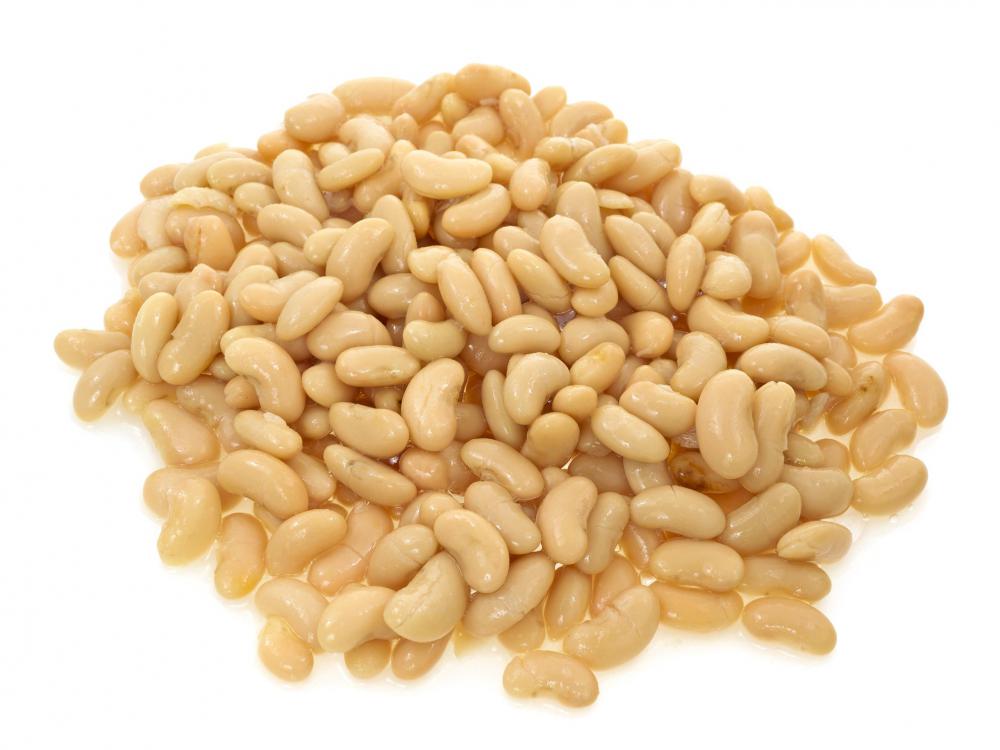
![Beans, which contain flavonoids.]() By: Bert FolsomBeans, which contain flavonoids.
By: Bert FolsomBeans, which contain flavonoids. -
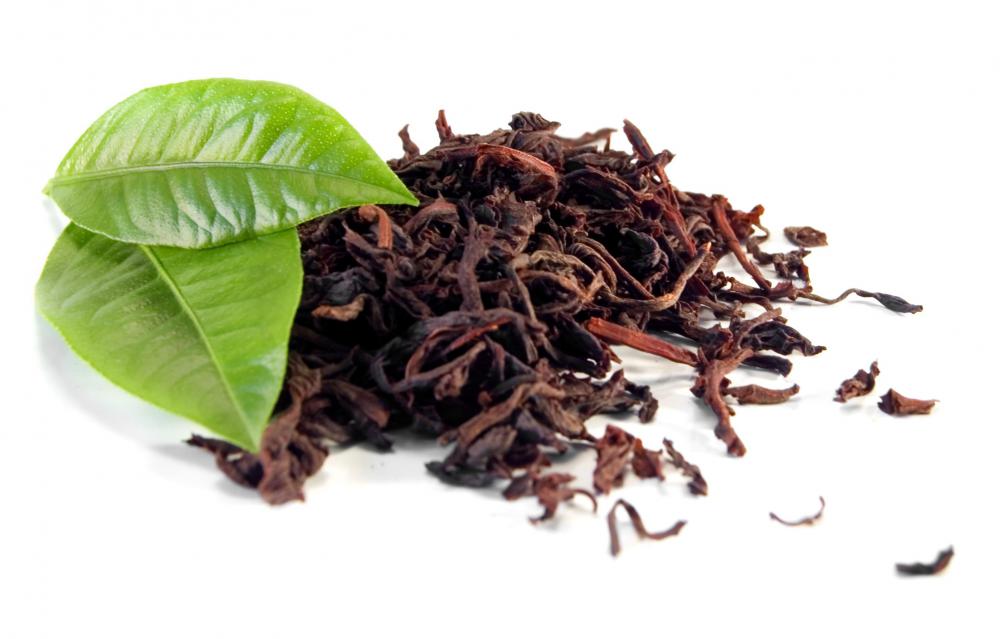
![Tea, which contains catechin, a type of flavonoid.]() By: ivan kmitTea, which contains catechin, a type of flavonoid.
By: ivan kmitTea, which contains catechin, a type of flavonoid. -
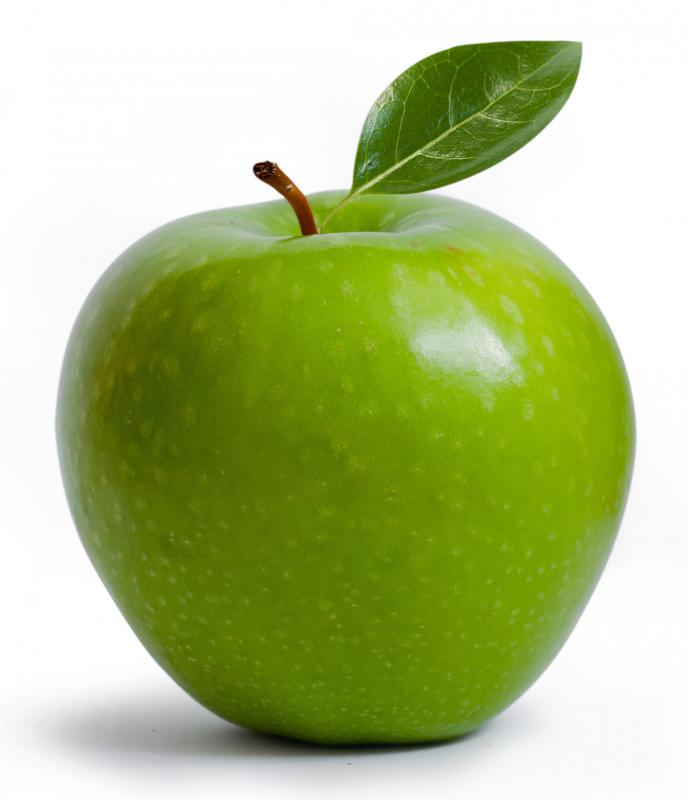
![Apples are rich in flavonoids.]() By: xiangdong LiApples are rich in flavonoids.
By: xiangdong LiApples are rich in flavonoids. -
![Wine contains flavonoids.]() By: tpfellerWine contains flavonoids.
By: tpfellerWine contains flavonoids. -
![Spinach is a good source of flavonoids.]() By: margo555Spinach is a good source of flavonoids.
By: margo555Spinach is a good source of flavonoids. -
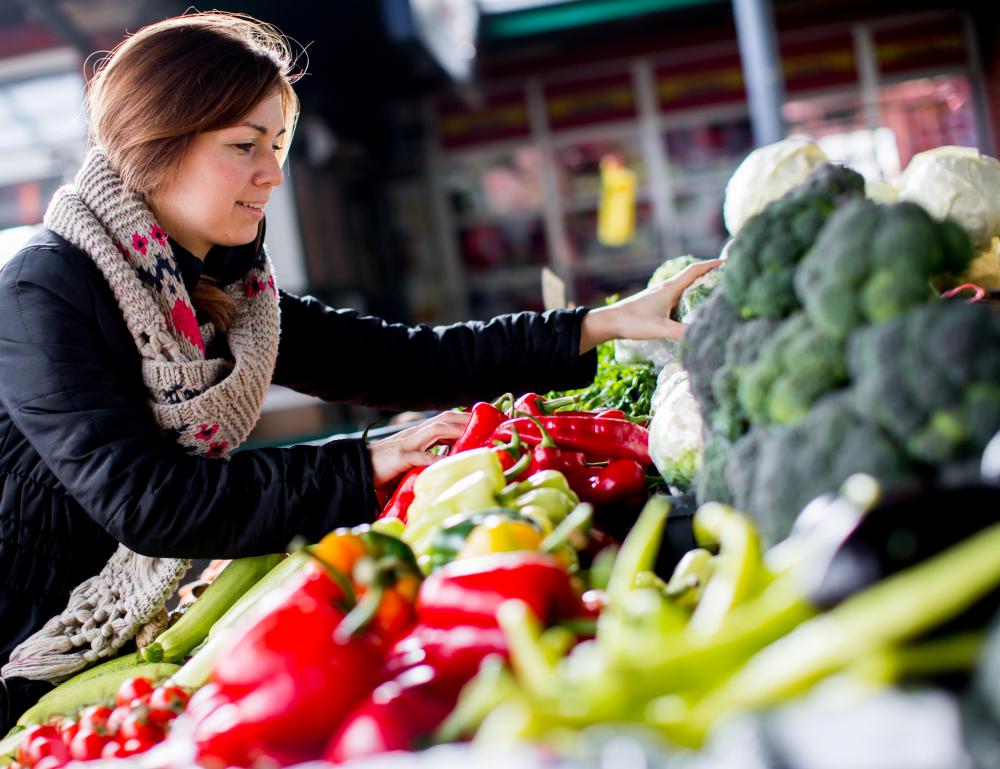
![Broccoli, onions, and peppers are excellent sources of flavonoids.]() By: Goran BogicevicBroccoli, onions, and peppers are excellent sources of flavonoids.
By: Goran BogicevicBroccoli, onions, and peppers are excellent sources of flavonoids.




Discussion Comments
Do flavonoids have structure and to which subgroup is that of the onions?
My pharmacist husband always prompted me about this topic and now that I have read it I will be aware of these sources.
@StarJo – If flavonoids enable our bodies to get more vitamin C, then that is probably what keeps us from getting so many infections and illnesses. I drink grapefruit juice every morning, and I imagine that it is a major factor in my good health.
I used to be a sickly person. I would bruise very easily, and often I could not remember how I hurt myself. I got frequent nosebleeds, and I seemed to stay sick with a cold.
My doctor actually told me that I probably needed to be consuming more flavonoids. She was so right. My body feels stronger now, and I am so glad that all I had to do was start eating better foods.
@seag47 – Flavonoids help keep me healthy, too. After a particularly miserable winter when I got three terrible upper respiratory infections, I decided to try eating healthier.
I'm not crazy about blueberries and red beans, but there are some other flavonoid-rich foods that I eat on a regular basis. Apples are a good source, as well as strawberries. These are my two favorite fruits, and I always feel good after eating them.
On the vegetable side, black beans and tomatoes are good sources. I like to eat chicken tortilla soup, which includes both of these. Both are also excellent in tacos with some type of meat.
I used to think that the only thing that could keep me from getting the flu was a flu shot, but I believe that changing my diet to include more flavonoids is what has kept me healthy during the last few flu seasons. I stopped getting flu shots, yet I haven't caught it.
I developed a love for blueberries. I put them in oatmeal, cereal, and even in the batter of my pancakes. Sometimes, I eat them by themselves.
I have also found that red beans taste great if you boil them with a little bit of beef bouillion in the water for extra flavor. I also like to add noodles to the mix to make it a meal.
I feel better inside since I have begun consuming more flavonoids. Can anyone tell me some more foods that contain high amounts? I want to add more to my diet.
I have read that certain flavonoids help our bodies absorb vitamin C. In fact, this vitamin would not be nearly as useful without their help.
Flavonoids can also increase our bodies' absorption of drugs. There is one flavonoid in grapefruits that is particularly good at this.
When I was involved in a clinical study of a drug used to treat polycystic kidney disease, I was told to avoid grapefruit while on the drug. Had I eaten any, my body could have absorbed more of the medication than necessary, and since this drug is experimental, they didn't know exactly what would happen.
Since grapefruit juice is often included in the punch at showers and weddings, I had to remember not to drink any of it. This was hard, because I went to over five events like this during the time I was on the study, and I had to sneak in a bottle of water each time.
Flavonoids are very beneficial and more and more research is proving it. Believe it or not, but cocoa or unprocessed dark chocolate has one of the highest antioxidant values known.
how do flavonoids affect treating wound infection or in wound healing? thanks for the answers.
what extraction method may be used in flavonoids??
and is it possible to separate flavonoids in chromatography?? how??--tnx 4 d reply
Flavonoids have antioxidant powers and act as free radical scavengers. They are effective in suppressing inflammation. It is good to eat a cornucopia of vegetable and fruit to keep us healthy, young, and slim.
Post your comments