
At TheHealthBoard, we're committed to delivering accurate, trustworthy information. Our expert-authored content is rigorously fact-checked and sourced from credible authorities. Discover how we uphold the highest standards in providing you with reliable knowledge.
What are Fine Motor Skills?
 Mary McMahon
Mary McMahon
Mary McMahon
Fine motor skills are physical skills that involve the ability to make small and tightly controlled muscle movements. A classical example is the steps involved in tying shoes. While most adults can tie a pair of shoes without thinking about it, this task can be quite challenging for children who have not refined their motor skills, along with people who have certain developmental disabilities and those recovering from strokes and brain injuries. Humans engage in many tasks every day that demand such skills, making their development critical.
An area of particular interest for people concerned with these physical skills is the hands. People who possess good fine motor skills in their hands may be said to have manual dexterity, referring to the fact that they can use their hands for a wide variety of precision tasks. These skills are also involved in other parts of the body, and they are necessary for tasks ranging from walking to speaking.

Over the course of natural human development, many people start to learn these skills naturally. In fact, some infant reflexes, such as the grabbing reflex, promote their development. Children who go to school often engage in exercises designed to improve their fine motor skills during the early years of their educations, and these skills are later developed even further as students learn to write, draw, and engage in a variety of other activities such as buttoning their shoes, using keyboards, and so forth.

A number of exercises can be used to help children develop their motor skills. Simply encouraging them to use their bodies and to engage in pursuits such as playing instruments, drawing, and working with clay, which demand manual dexterity, can be highly beneficial. Motor skills development can also be fostered in the classroom and at after school programs, with some schools providing students with exercises to do at home that will help them.

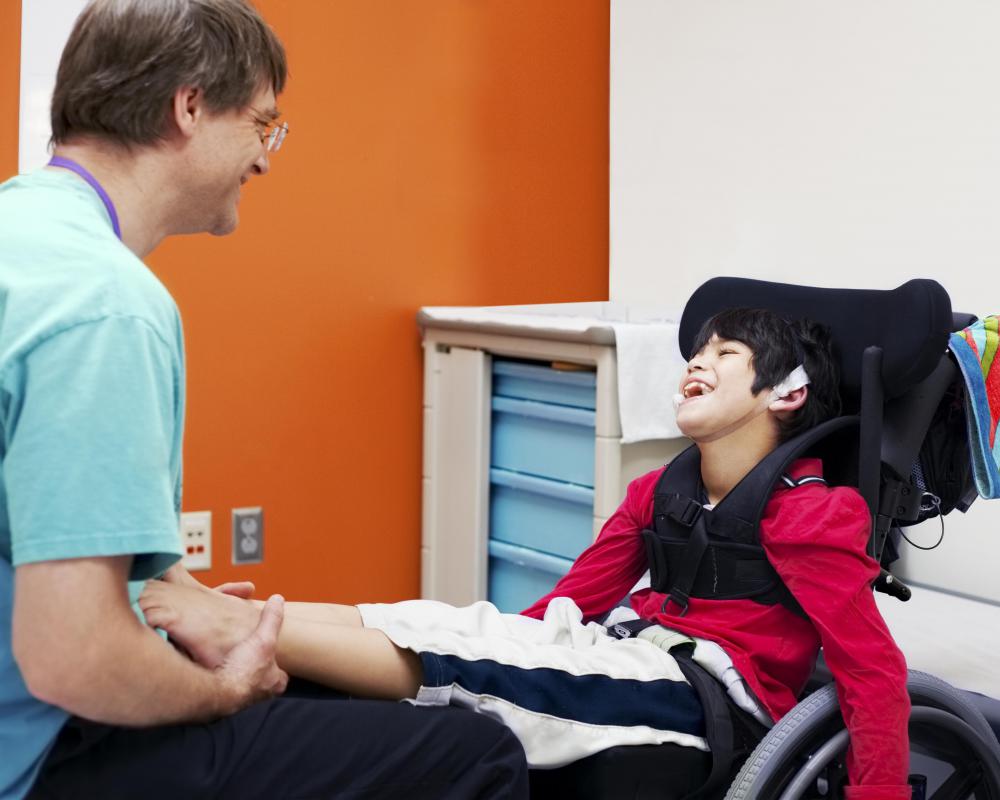
Children with disabilities may benefit from the focused attention of a physical therapist. With special training, many children with disabilities can achieve a high level of independence that will greatly improve their quality of life and future prospects. Adults who have experienced brain injuries are also usually told to attend physical therapy sessions to develop their motor skills so that they can regain their independence.
Mary McMahon
Ever since she began contributing to the site several years ago, Mary has embraced the exciting challenge of being a TheHealthBoard researcher and writer. Mary has a liberal arts degree from Goddard College and spends her free time reading, cooking, and exploring the great outdoors.
Learn more...
Mary McMahon
Ever since she began contributing to the site several years ago, Mary has embraced the exciting challenge of being a TheHealthBoard researcher and writer. Mary has a liberal arts degree from Goddard College and spends her free time reading, cooking, and exploring the great outdoors.
Learn more...AS FEATURED ON:
AS FEATURED ON:


-
![Self-feeding with utensils helps children develop fine motor skills.]() By: zest_marinaSelf-feeding with utensils helps children develop fine motor skills.
By: zest_marinaSelf-feeding with utensils helps children develop fine motor skills. -
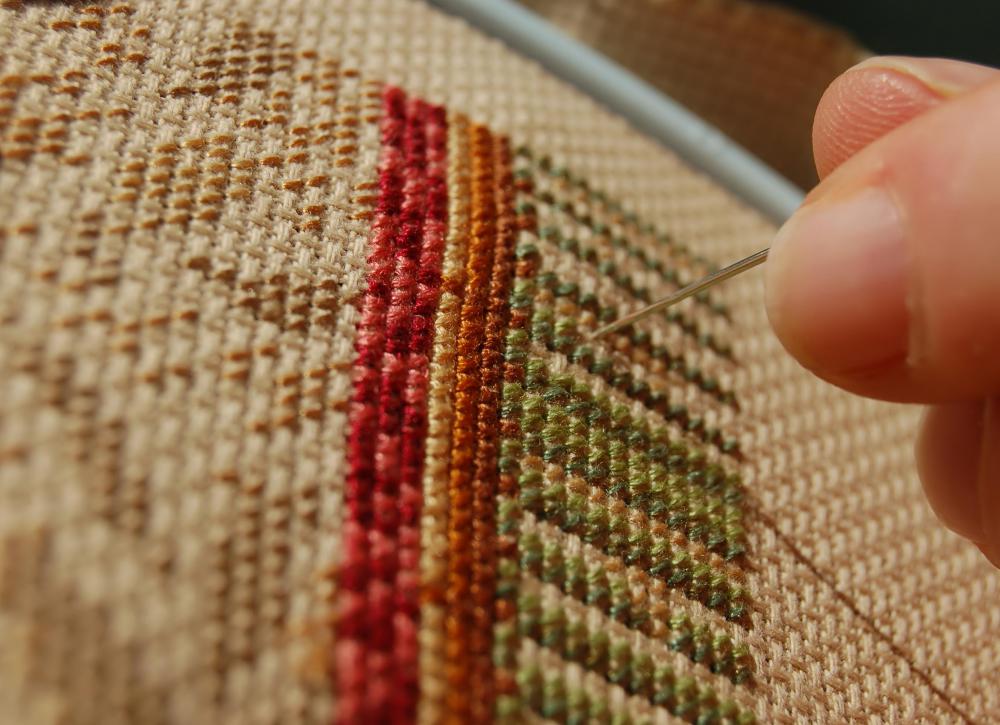
![Crafts, like needlepoint, can help adults maintain fine motor skills.]() By: Steven LatourCrafts, like needlepoint, can help adults maintain fine motor skills.
By: Steven LatourCrafts, like needlepoint, can help adults maintain fine motor skills. -
![Children with disabilities may benefit from the focused attention of a physical therapist.]() By: Jaren WicklundChildren with disabilities may benefit from the focused attention of a physical therapist.
By: Jaren WicklundChildren with disabilities may benefit from the focused attention of a physical therapist. -
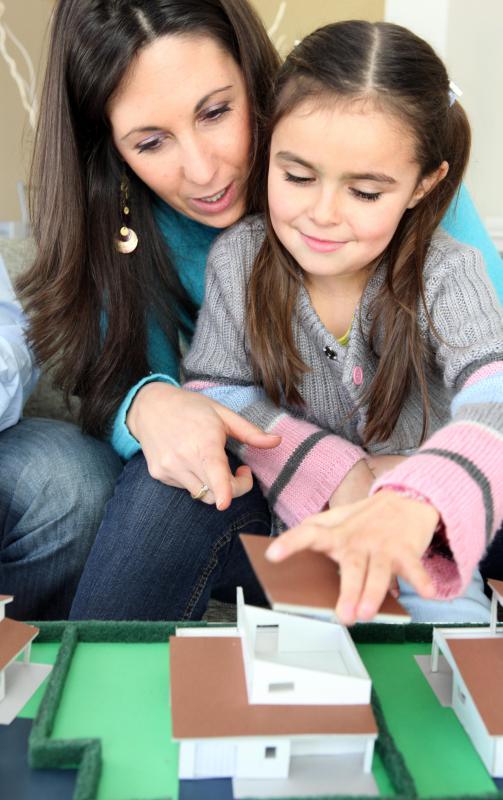
![Fine motor skills require the coordination of small muscles, often involving the hands and fingers.]() By: auremarFine motor skills require the coordination of small muscles, often involving the hands and fingers.
By: auremarFine motor skills require the coordination of small muscles, often involving the hands and fingers. -
![Teeth brushing makes use of fine motor skills.]() By: GangTeeth brushing makes use of fine motor skills.
By: GangTeeth brushing makes use of fine motor skills.


Discussion Comments
An occupational therapist would be the therapist of choice to address fine motor concerns.
Oasis11- Those are good suggestions. What I used with my daughter was a program called, “Handwriting Without Tears.” This program was designed by an occupational therapist in order to help children with their writing.
She offers tips on how to develop fine motor skills and also offers additional products that the child can use that strengthens their hand muscles. My daughter learned a lot from the program.
Great article- I just want to add that children develop their fine motor skills by playing with modeling clay or play dough.
This strengthens the child’s hand muscles and makes it easier for the child to develop the coordination for writing.
Many art teachers also provide craft projects involving cutting that also helps develop a child’s fine motor skills. Coloring a picture in a dark and waxy fashion also is helpful.
Post your comments