
At AllThingsNature, we're committed to delivering accurate, trustworthy information. Our expert-authored content is rigorously fact-checked and sourced from credible authorities. Discover how we uphold the highest standards in providing you with reliable knowledge.
What are Extremophiles?
 Michael Anissimov
Michael Anissimov
Michael Anissimov
An extremophile is any microbe that thrives in extreme conditions of temperature, pressure, salinity, or concentrations of hostile chemicals. Many extremophiles belong to the kingdom Archaea, also known as Archaebacteria, and most known Archaebacteria are extremophiles. There are also extremophiles to be found outside the kingdom Archaea; for example there are bacteria and eukaryotic prokaryotes that are extremophiles, as well as species of worm, crustacean, and krill.
Following are different types of extremophiles. Some extremophiles may fit into more than one category:
- Acidophile: An organism with an optimum pH level at or below pH 3.
- Alkaliphile: An organism with optimal growth at pH levels of 9 or above.
- Endolith: An organism that lives inside rocks.
- Halophile: An organism requiring at least 2M of NaCl for growth.
- Hyperthermophile: An organism that can thrive at temperatures between 80-110°C (176-230°F).
- Hypolith: An organism that lives inside rocks in cold deserts.
- Metalotolerant: capable of tolerating high levels of heavy metals, such as copper, cadmium, arsenic, and zinc.
- Oligotroph: An organism capable of growth in nutritionally limited environments.
- Piezophile: An organism that lives optimally at high hydrostatic pressure.
- Polyextremophile: An organism that can survive different extreme conditions.
- Psychrophile: An organism that can thrive at temperatures of 15°C (59°F) or lower.
- Radioresistant: resistant to high levels of ionizing radiation.
- Thermophile: An organism that can thrive at temperatures between 60-80°C (140-176°F).
- Xerophile: An organism that can grow in environments with a low water activity.

The Pompeii worm, an extremophile, lives on the floor of the ocean clustered next to hydrothermal vents. Living at temperatures up to 176°F (80°C), these animals are the most heat-tolerant known to science, and they aren't even unicellular. Because they live in such isolated areas, many extremophiles weren't discovered until the 1970s.
Perhaps the most memorable example of an extremophile is a bacteria, Streptococcus mitis, that was found embedded in the camera of the lunar probe Surveyor 3 by Apollo 12 astronauts. This bacteria had survived on the surface of the moon for three years. Scientists sometimes study extremophiles as potential models of what life might look like or how it would operate on other worlds.
Frequently Asked Questions
What exactly are extremophiles?
Extremophiles are organisms, often microorganisms, that thrive in environments once thought to be uninhabitable for life. These conditions include extreme temperatures, acidity, alkalinity, salinity, or pressure. Extremophiles have adapted to these harsh conditions through unique biochemical processes, making them a subject of intense study for evolutionary biology and astrobiology.
Where can extremophiles be found?

Extremophiles are found in a variety of extreme environments on Earth. These include the near-boiling temperatures of hydrothermal vents, the acidic waters of sulfur springs, the high-pressure depths of ocean trenches, the extreme salinity of salt lakes, and the freezing temperatures of polar ice. Their resilience makes them ubiquitous in places once considered lifeless.
Why are extremophiles important to science?

Extremophiles are important because they expand our understanding of the limits of life. They have led to the discovery of novel enzymes and biochemical pathways that are useful in industrial and medical applications. According to NASA, studying extremophiles also aids the search for extraterrestrial life by revealing how life might adapt to otherworldly environments.
Can extremophiles be considered a form of alien life on Earth?
While extremophiles are not alien life forms, their ability to survive in extreme conditions similar to those found on other planets makes them analogous to what we might consider extraterrestrial life. Their existence suggests that life could potentially adapt to the harsh environments of other celestial bodies in our solar system and beyond.
What types of extremophiles exist?
There are several types of extremophiles, each adapted to a specific extreme condition. Thermophiles thrive at high temperatures, while psychrophiles prefer cold. Acidophiles live in acidic environments, alkaliphiles in alkaline conditions, and halophiles in high-salinity environments. Piezophiles, also known as barophiles, can withstand extreme pressure, often found in deep-sea habitats.
How do extremophiles impact biotechnology and industry?
Extremophiles have a significant impact on biotechnology and industry by providing enzymes and biomolecules that are stable under extreme conditions. For instance, the thermostable DNA polymerase from Thermus aquaticus, a thermophile, revolutionized molecular biology by enabling the polymerase chain reaction (PCR) process, which is fundamental for DNA amplification in research and medical diagnostics.
Michael Anissimov
Michael is a longtime AllThingsNature contributor who specializes in topics relating to paleontology, physics, biology, astronomy, chemistry, and futurism. In addition to being an avid blogger, Michael is particularly passionate about stem cell research, regenerative medicine, and life extension therapies. He has also worked for the Methuselah Foundation, the Singularity Institute for Artificial Intelligence, and the Lifeboat Foundation.
Learn more...
Michael Anissimov
Michael is a longtime AllThingsNature contributor who specializes in topics relating to paleontology, physics, biology, astronomy, chemistry, and futurism. In addition to being an avid blogger, Michael is particularly passionate about stem cell research, regenerative medicine, and life extension therapies. He has also worked for the Methuselah Foundation, the Singularity Institute for Artificial Intelligence, and the Lifeboat Foundation.
Learn more...AS FEATURED ON:
AS FEATURED ON:









-
![Some types of extremophiles thrive in certain pH ranges.]() By: SabineSome types of extremophiles thrive in certain pH ranges.
By: SabineSome types of extremophiles thrive in certain pH ranges. -
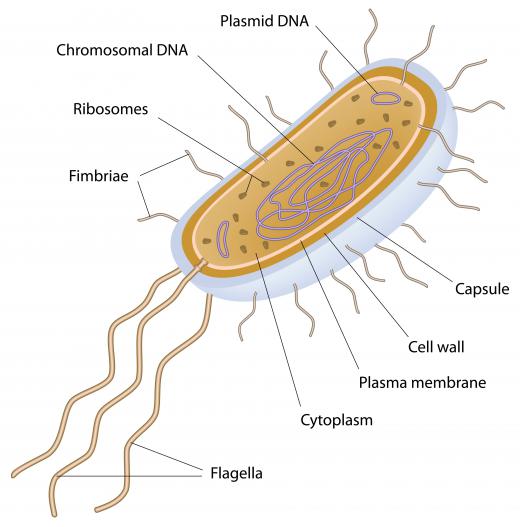
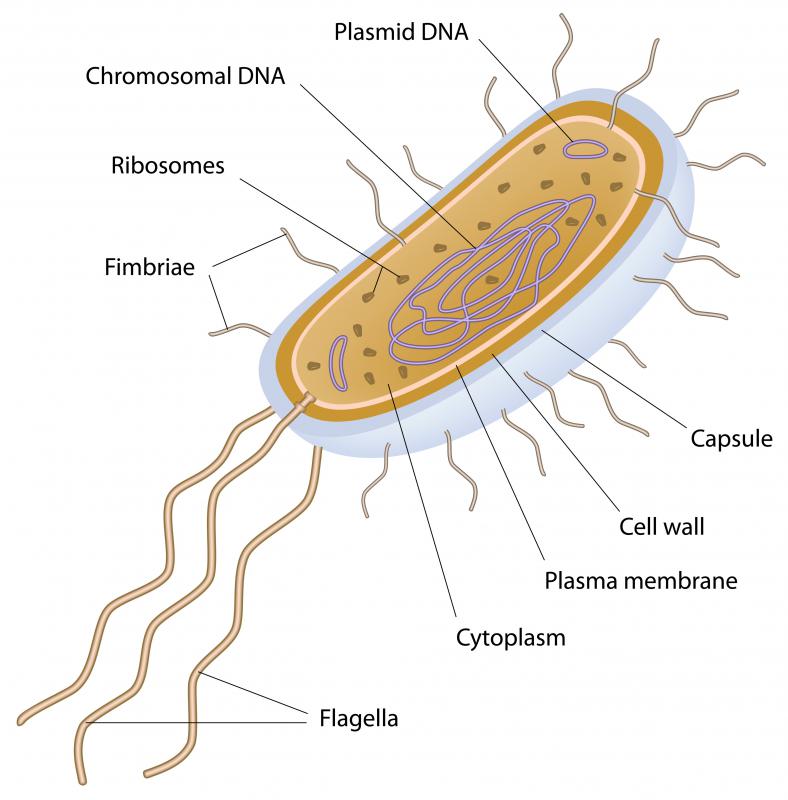
![Archaebacteria are extremophiles.]() By: Alila Medical MediaArchaebacteria are extremophiles.
By: Alila Medical MediaArchaebacteria are extremophiles. -
![Extremophiles can live in harsh environments, such as around extreme volcanic temperatures.]() By: HemeroskopionExtremophiles can live in harsh environments, such as around extreme volcanic temperatures.
By: HemeroskopionExtremophiles can live in harsh environments, such as around extreme volcanic temperatures. -
![Some bacteria produce energy through nitrification, which is a "chemosynthetic" process that is like photosynthesis, but without light.]() By: KoiQuestionSome bacteria produce energy through nitrification, which is a "chemosynthetic" process that is like photosynthesis, but without light.
By: KoiQuestionSome bacteria produce energy through nitrification, which is a "chemosynthetic" process that is like photosynthesis, but without light.



Discussion Comments
how many archeabacteria are there?
Post your comments