
At TheHealthBoard, we're committed to delivering accurate, trustworthy information. Our expert-authored content is rigorously fact-checked and sourced from credible authorities. Discover how we uphold the highest standards in providing you with reliable knowledge.
What are Energy Nutrients?
Energy nutrients are basically foods that serve as important energy sources for humans and animals. To some extent nearly all foods provide some energy, at least insofar as they can sustain life and essential metabolic processes. To come within this category, though, the nutrition provided must usually be substantial and sustained. Carbohydrates are some of the most common inclusions, and many fats qualify, too. Foods in both categories are usually high in simple sugars like glucose and have lipid chains that are easy for the body to break down and convert quickly to energy. To some extent proteins can also be considered in the “energy” family of foods, but more often these more complex foods are used for building muscle and fueling long-term growth. They are harder for the body to digest and often take energy rather than provide it. Most dieticians and medical experts recommend that people eat a balance of foods from each category in order to stay healthy.
Nutrition Science

The process through which whole foods are converted into useable energy and fuel for the body can be something of a complex science. There are a lot of different elements involved, but at a basic level enzymes and acids in the digestive tract break foods down into their core components, then shuttle those components — usually through the bloodstream — to wherever it is they are needed. The process can be fast or slow depending on the complexity and density of the food at issue. Most so-called “energy” nutrients are those that are quick and easy to break down, often because they contain high concentrations of sugar compounds. When they’re broken down they can provide energy to the brain and major muscle groups almost immediately.

All people need at least some energy nutrients each day, but the levels and concentrations required often depend on things like lifestyle and overall metabolic efficiency. Athletes and those who are really serious about sports or physical fitness often spend a lot of time planning out their diets to be sure that they have enough energy-providing foods at the right intervals before undertaking things like long swims or endurance runs. There are many different theories about which sorts of foods should be consumed and when for maximum performance.
Carbohydrates

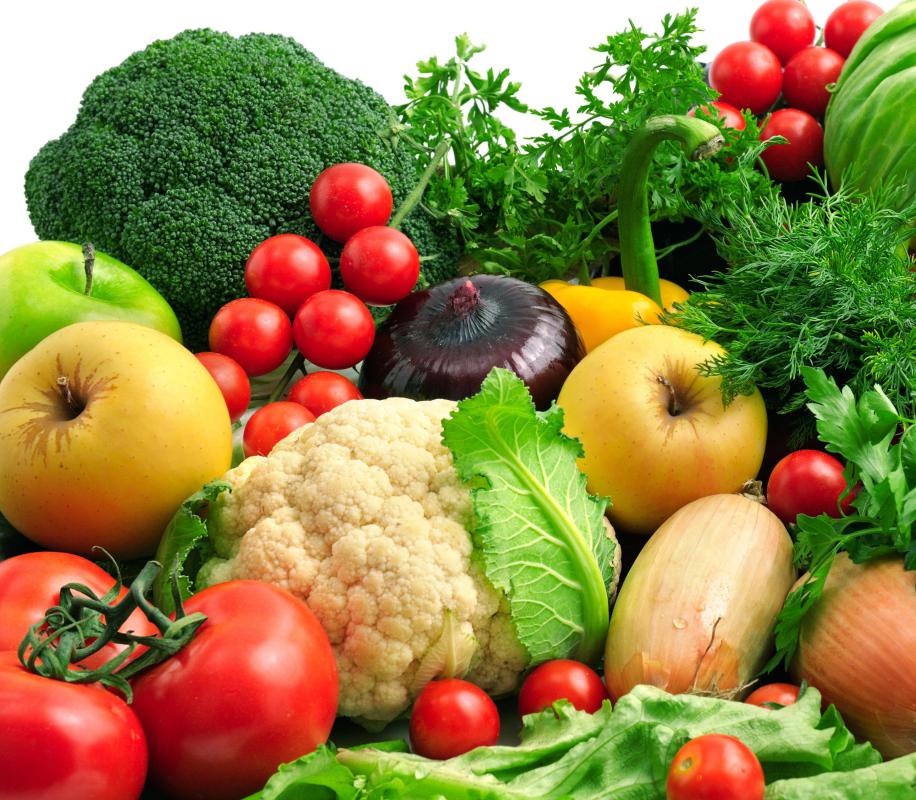
Carbohydrates are some of the most common foods in this category. They help protect muscles, control the body’s sugar levels, and aid calcium absorption, among other things. Carbohydrates also assist the body in regulating blood pressure and can help lower cholesterol levels. Breads, grains, pastas, and cereals are some of the best-known carbs, but most fruits and vegetables are also included, as are many dairy products. Nutritionists typically recommend that people consume somewhere between six and 11 servings of carbohydrate-rich foods each day. Experts also usually advise two to four helpings of fruit and three to five portions of vegetables in order for people to experience optimal energy function.
“Good” Fats

Fats, while often viewed as an unhealthy part of the food groups, are actually one of the most vital nutrients when it comes to providing energy for the human body. Some vitamins actually require the presence of fat to be absorbed by the body. There are three kinds of fats: unsaturated, saturated, and trans saturated.
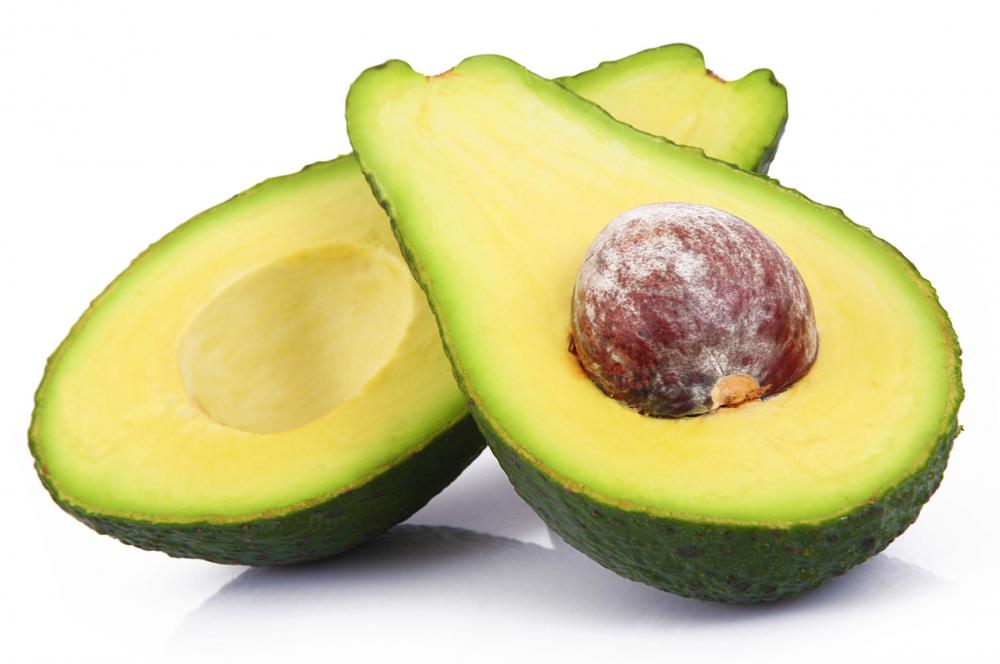
Unsaturated fats are very much considered “good” fats, since eating them in moderation can actually improve health. They are usually broken down into two categories, monounsaturated and polyunsaturated, and health experts generally agree that they are an absolutely vital source of energy for the body and can in fact help prevent health problems such as heart disease. These fats can be found in many kinds of fish, particularly mackerel and salmon, and various vegetable oils, such as olive, rapeseed, and soy. Avocados are also a rich source, as are many tree nuts.
“Bad” Fats

Saturated fats are one of the so-called “bad” fats; these aren’t usually considered helpful to the body, and can actually pose problems if consumed in excess. Still, they’re often included with the fats in the broader “energy nutrient” group because of they ways in which they can provide fuel to the body. Foods that tend to be high in saturated fat include butter and cheese, coconut oil, and chocolate. No matter how good these items are at providing energy to the body, experts don’t usually recommend that they make up more than ten percent of a person’s average daily fat consumption.

Trans saturated fats, or “trans fats” as they are popularly known, are widely regarded as the absolute worst of all fats. In most cases they are completely man-made and utterly non-essential to the human body, and the body can't usually break them down and absorb them they way it does with other fats. Most nutritionists recommend the complete elimination of trans fats from food, and these compounds are not considered energy nutrients in most cases.
Proteins

While not as important as fats and carbohydrates, proteins nonetheless still have a role to play when it comes to fueling the body and its processes. Proteins are made up of amino acids and aid in the creation of the red blood cells that carry oxygen to all areas of the body. Protein also aids in the creation of disease fighting antibodies. Food sources which contain protein include red meat, like beef; and white meat, such as chicken and lamb; fish; milk and other dairy products; and eggs and nuts. It takes the body longer to break these things down, and the process often actually takes energy. This makes these foods good for people looking to build muscle tone and lose weight, but not as compelling for quick energy.
AS FEATURED ON:
AS FEATURED ON:


-
![Carbohydrates provide the body with energy.]() By: Elena SchweitzerCarbohydrates provide the body with energy.
By: Elena SchweitzerCarbohydrates provide the body with energy. -
![Salmon is high in healthy fat, which provides energy.]() By: dulsitaSalmon is high in healthy fat, which provides energy.
By: dulsitaSalmon is high in healthy fat, which provides energy. -
![Dairy contains protein but some types of dairy products also contain saturated fat.]() By: lidanteDairy contains protein but some types of dairy products also contain saturated fat.
By: lidanteDairy contains protein but some types of dairy products also contain saturated fat. -
![Widely viewed as one of the healthiest types of cooking oil, canola oil is high in monounsaturated fats.]() By: branexWidely viewed as one of the healthiest types of cooking oil, canola oil is high in monounsaturated fats.
By: branexWidely viewed as one of the healthiest types of cooking oil, canola oil is high in monounsaturated fats. -
![Nutrition experts say that a healthy diet should include at least three portions of vegetables daily.]() By: Serghei VelusceacNutrition experts say that a healthy diet should include at least three portions of vegetables daily.
By: Serghei VelusceacNutrition experts say that a healthy diet should include at least three portions of vegetables daily. -
![Carbohydrates fuel muscles.]() By: MaridavCarbohydrates fuel muscles.
By: MaridavCarbohydrates fuel muscles. -
![Avocados are a good source of unsaturated fat.]() By: Giuseppe PorzaniAvocados are a good source of unsaturated fat.
By: Giuseppe PorzaniAvocados are a good source of unsaturated fat.




Discussion Comments
And it's also important to avoid certain foods Heavanet. The less sugar and saturated fats you consume, the better you feel and the more benefits you will get from energy nutrient foods.
Since fats, carbs, and proteins are all nutrients that provide energy, it is important to eat a balanced diet that includes all of these food groups.
Post your comments