
At WiseGEEK, we're committed to delivering accurate, trustworthy information. Our expert-authored content is rigorously fact-checked and sourced from credible authorities. Discover how we uphold the highest standards in providing you with reliable knowledge.
What are Durable Goods?
 Mary McMahon
Mary McMahon
Mary McMahon
Durable goods or hard goods are products that are intended to hold up through extended use, rather than being rapidly consumed. A classic example of a durable good is an appliance like an oven. The opposite is nondurable goods; a roast which might be cooked in that oven would be an example of this type of good. Most governments track the sales of durable goods as an economic indicator, because strong sales indicate economic health.
As a general rule, durable goods can last at least three years without the need for replacement. They may require repair or servicing, although ideally, they are designed to hold up with minimal risk of breakage during their early years of service. These goods can also last much longer than three years, of course, with three years of regular use being the minimum performance standard. An item like a car may function for 20 years or more with appropriate care.

These are long term purchases, and some can be very costly. In most cases, there are long intervals between such purchases because people don't need to replace them on a regular basis. By contrast, with nondurable goods, also known as soft goods or consumables, people must consistently replace them because the items are designed to be rapidly consumed. Products like personal care products, food, paper, and textiles are included in this group.

Durable consumer goods are manufactured by a number of companies that aim to produce products that deliver utility and service over time. They usually come with warranties that are designed to act as guarantees for consumers. Many companies also work hard to build up a reputation since they want consumers to think of them on the rare occasions when new hard goods need to be purchased. These companies cultivate brand loyalty among consumers for the purpose of keeping sales steady.

Durable goods data is usually readily available from government agencies that track the sale and movement of goods and services. It is also usually included in economic reports in the news because it can be a valuable indicator. When sales of these goods drop, it typically indicates that people have less money to spend, and that people may be focusing on repairing and servicing their hard goods rather than replacing them. When sales rise, there is more liquidity and consumers can more readily purchase new items. An increase in demand for these products also increases the demand for raw goods, which can have a ripple effect on the economy.
Mary McMahon
Ever since she began contributing to the site several years ago, Mary has embraced the exciting challenge of being a WiseGEEK researcher and writer. Mary has a liberal arts degree from Goddard College and spends her free time reading, cooking, and exploring the great outdoors.
Learn more...
Mary McMahon
Ever since she began contributing to the site several years ago, Mary has embraced the exciting challenge of being a WiseGEEK researcher and writer. Mary has a liberal arts degree from Goddard College and spends her free time reading, cooking, and exploring the great outdoors.
Learn more...AS FEATURED ON:
AS FEATURED ON:









-
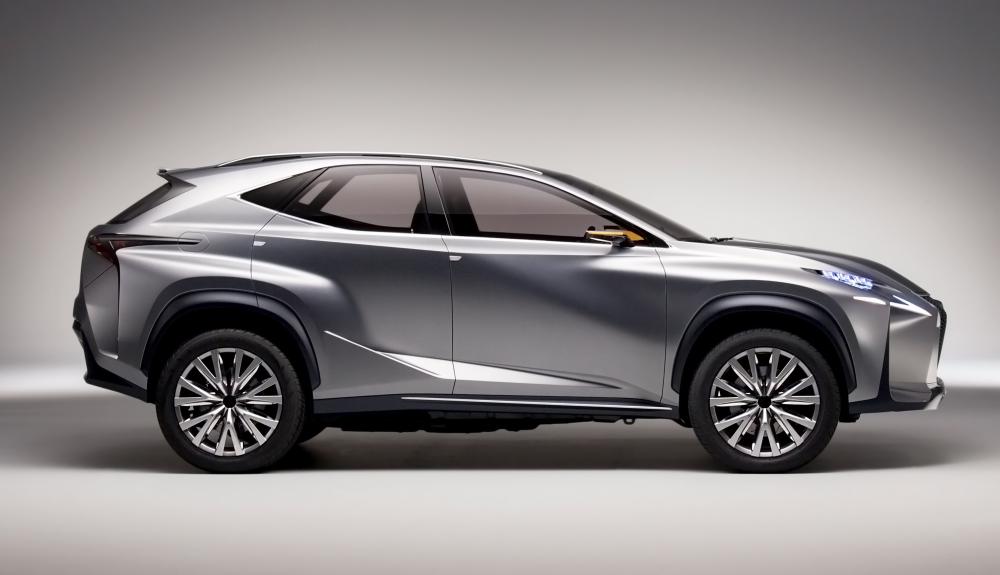
![Automobiles last for years and are considered durable goods.]() By: NykyAutomobiles last for years and are considered durable goods.
By: NykyAutomobiles last for years and are considered durable goods. -
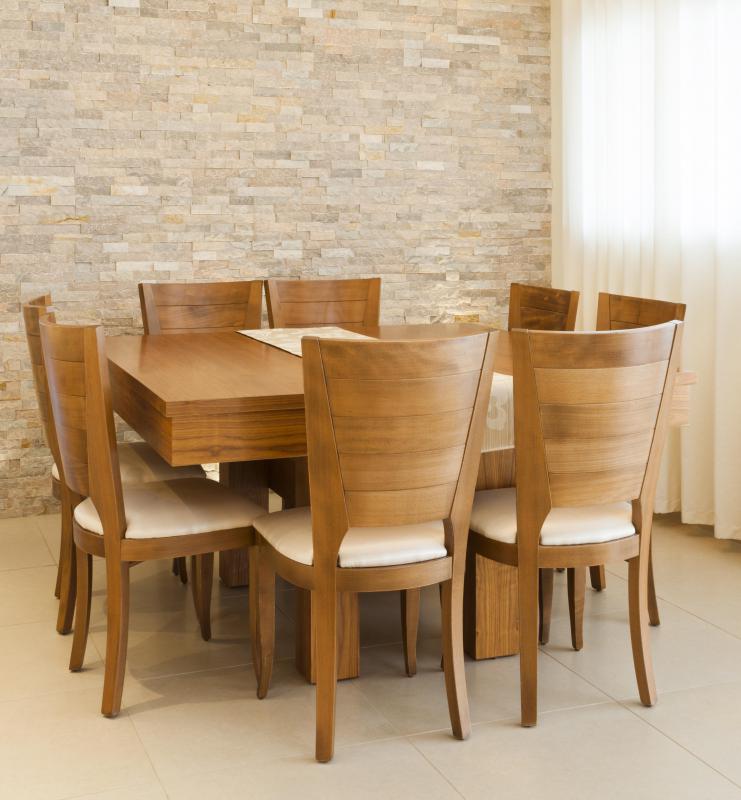
![Household furniture, such as a dining room table set, is one type of durable good.]() By: Dmitry PistrovHousehold furniture, such as a dining room table set, is one type of durable good.
By: Dmitry PistrovHousehold furniture, such as a dining room table set, is one type of durable good. -
![Refrigerators are considered durable goods.]() By: MilkosRefrigerators are considered durable goods.
By: MilkosRefrigerators are considered durable goods.

Discussion Comments
@ysmina-- We can't really say an exact number of years a good needs to last for to be categorized as durable. A better way to figure out durable vs nondurable goods is to ask yourself if that good is an investment or just something that you need to consume.
Clothing is nondurable because it's not an investment. There is no guarantee how long a piece of clothing will last. And the word investment implies that there a considerable amount of money being spent on that product, which doesn't apply to most clothing items.
Some people actually categorize clothing as a "semi-durable" good, because like you said, it lasts longer than something like food, which is definitely nondurable.
Why are textiles non-durable goods?
My mom always says that she doesn't mind spending money on clothes because she can wear them for years and years. She doesn't like to spend a lot on food because she says that food is consumed very quickly no matter how much it costs.
If we wanted to compare durable goods vs. non-durable goods, how many years at least will each last?
My mom has clothes from seven and ten years ago and can still wear them if she wants. So why is this not a durable good?
I think that durable goods in the US have changed over the past several decades. I remember in my childhood, durable goods like a refrigerator or a TV lasted a good ten years. My grandfather still has a refrigerator that he bought more than twenty years ago that is still working. It's in his garage and he cools his sodas in it.
Now when we buy durable goods, they don't seem to last very long at all. We had a TV about five years ago that broke down after one year of use! My laptop only lasted four.
I don't think that durable goods are as "durable" as they used to be because they are not very high quality anymore. I don't know if durable goods manufacturing industries are doing this on purpose or not. Maybe they want to increase sales this way.
If that's the case, then isn't it a bad idea to assess how the economy is doing by counting durable goods sales? Because durable goods cost less than they used to, but they don't last as long.
Post your comments