
At AllThingsNature, we're committed to delivering accurate, trustworthy information. Our expert-authored content is rigorously fact-checked and sourced from credible authorities. Discover how we uphold the highest standards in providing you with reliable knowledge.
What are Drupes?
 Mary McMahon
Mary McMahon
Mary McMahon
Drupes are fruits with four major parts: a thin skin, a fleshy body, a hard stone, and an inner seed. Many are also edible, with people eating the various parts, depending on which kind it is. A surprising number of foods are considered drupes, ranging from almonds to peaches. Most cultures eat several different varieties, some of which play a major culinary role. They can generally be farmed or cultivated, although it is also possible to collect wild versions.
Working from the outside in, the first layer of a drupe is a thin skin or exocarp that protects it from the elements. Next comes the mesocarp, a thick layer of fleshy material that is often made juicy and sweet to appeal to animals, so that animals will eat the fruit and then spread the seeds in their feces. Next comes the stone or endocarp, which is extremely hard to protect the delicate seed inside. When the seed lands in good growing conditions, it will sprout, cracking the endocarp.

Stone fruits, such as plums, cherries, dates, mangoes, and apricots, are all part of this classification. In this case, people eat both the skin and the sweet flesh inside, but discard the bitter and inedible pit and seed. In other cases, people eat only the seed, in the form of foods like walnuts and almonds, which are usually culinarily classified as nuts because of their fleshy texture and high fat content.

Some people might be surprised to learn that some berries are also drupes. Raspberries and blackberries, for example, are made up of a cluster of tiny drupelets grouped around a central stem. People may have noticed that, when they get a raspberry seed stuck in their teeth, it is surprisingly hard, and it yields a small white kernel when cracked.
To be technical, fruits are also ovaries. An ovary is a female reproductive part that holds eggs that are capable of being fertilized. In plants, these eggs are called ovules, and when they are pollinated, they develop into fruits. Like many other fruits, drupes consist of the ovary and the ripened flesh around it, which protects the seeds and promotes dispersal. Obviously, plants are capable of generating new ovaries, unlike mammals.
Frequently Asked Questions
What exactly is a drupe?

A drupe is a type of fruit with a hard stone or pit inside, which encases the seed. Common examples include peaches, cherries, and plums. The outer fleshy part is edible, while the hard pit in the center is typically discarded. Drupes are also known as stone fruits due to this characteristic inner stone.
How do drupes differ from other types of fruit?

Drupes are distinguished by their three layers: an outer skin called the exocarp, a fleshy middle layer known as the mesocarp, and a hard endocarp that surrounds the seed. In contrast, berries have seeds embedded within the flesh, and pomes, like apples, have a core that contains the seeds separate from the edible flesh.
Are all stone fruits drupes?
Yes, all stone fruits are considered drupes. Stone fruit is another term for drupes, referring to fruits that have a single large seed or pit surrounded by edible flesh. This category includes apricots, cherries, peaches, and nectarines, among others. The defining feature is the stony endocarp that encloses the seed.
Can you eat the pit of a drupe?

Generally, the pit of a drupe is not edible and can be quite hard, posing a risk of dental damage if bitten. Moreover, some drupe pits, such as those from cherries and apricots, contain amygdalin, which can release cyanide when metabolized. Therefore, it's advisable to discard the pits and only consume the flesh of the fruit.
Are there any health benefits associated with eating drupes?

Drupes are rich in vitamins, minerals, dietary fiber, and antioxidants, which are beneficial for health. For instance, cherries are known for their anti-inflammatory properties, while peaches can provide high levels of vitamin C and A. Eating a variety of drupes can contribute to a balanced diet and support overall health.
Do drupes only come in sweet varieties?

No, drupes can vary widely in flavor, ranging from sweet to tart. While many drupes like peaches and mangos are known for their sweetness, others like some plums can have a more tart or tangy taste. The flavor profile of a drupe often depends on the specific variety and its ripeness at the time of consumption.
Mary McMahon
Ever since she began contributing to the site several years ago, Mary has embraced the exciting challenge of being a AllThingsNature researcher and writer. Mary has a liberal arts degree from Goddard College and spends her free time reading, cooking, and exploring the great outdoors.
Learn more...
Mary McMahon
Ever since she began contributing to the site several years ago, Mary has embraced the exciting challenge of being a AllThingsNature researcher and writer. Mary has a liberal arts degree from Goddard College and spends her free time reading, cooking, and exploring the great outdoors.
Learn more...AS FEATURED ON:
AS FEATURED ON:









-
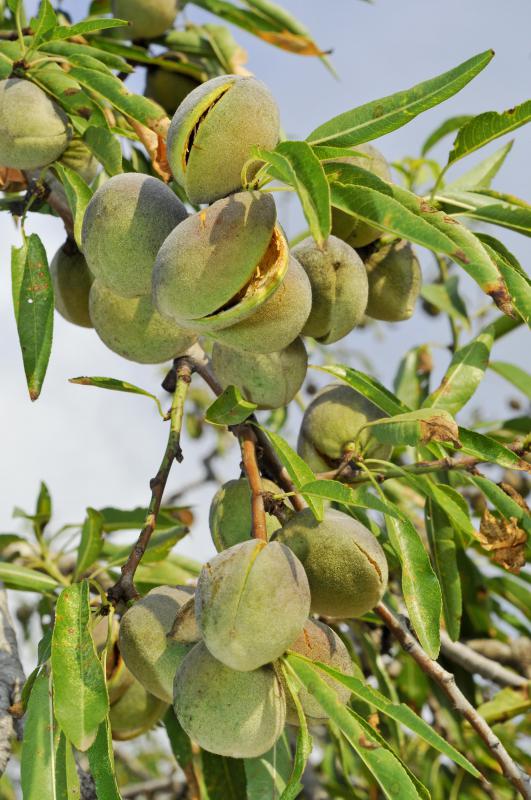
![Almonds, a type of drupe, on a tree.]() By: nitoAlmonds, a type of drupe, on a tree.
By: nitoAlmonds, a type of drupe, on a tree. -
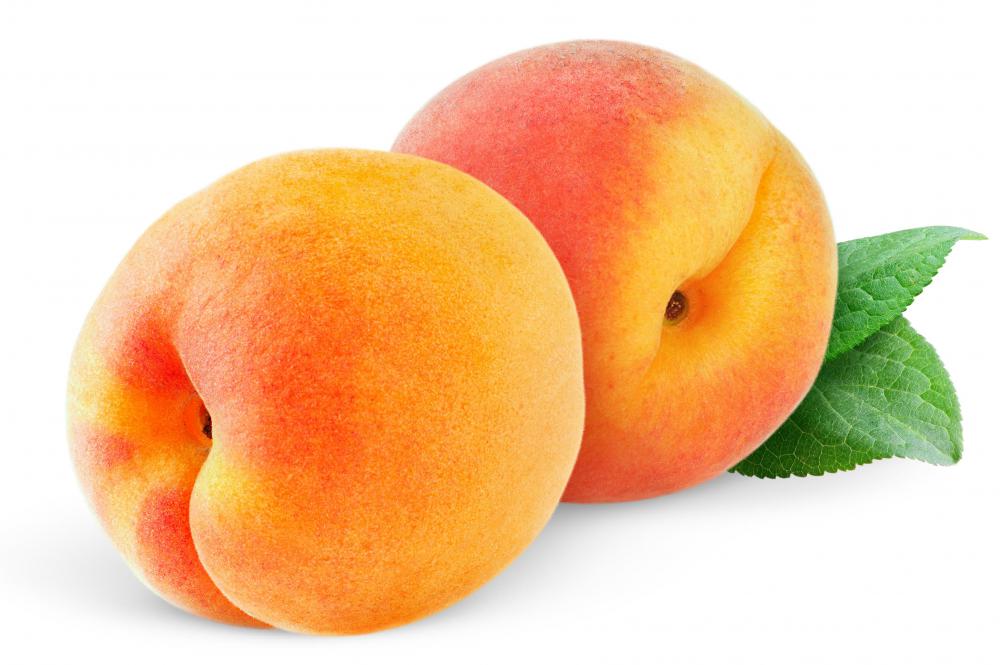
![Peaches are drupes.]() By: Anna KucherovaPeaches are drupes.
By: Anna KucherovaPeaches are drupes. -
![Walnuts are often considered to be nut-like drupes.]() By: dinostockWalnuts are often considered to be nut-like drupes.
By: dinostockWalnuts are often considered to be nut-like drupes. -
![Rainier cherries are drupes.]() By: Harris ShiffmanRainier cherries are drupes.
By: Harris ShiffmanRainier cherries are drupes. -
![Apricots are drupes.]() By: Malyshchyts ViktarApricots are drupes.
By: Malyshchyts ViktarApricots are drupes. -
![Berries like blackberries and mulberries are composed of a cluster of small drupelets around a central stem.]() By: BuriyBerries like blackberries and mulberries are composed of a cluster of small drupelets around a central stem.
By: BuriyBerries like blackberries and mulberries are composed of a cluster of small drupelets around a central stem. -
![Plums are drupes.]() By: radomir54Plums are drupes.
By: radomir54Plums are drupes.


Discuss this Article
Post your comments