
At DelightedCooking, we're committed to delivering accurate, trustworthy information. Our expert-authored content is rigorously fact-checked and sourced from credible authorities. Discover how we uphold the highest standards in providing you with reliable knowledge.
What are Dried Cranberries?
 Tricia Christensen
Tricia Christensen
Tricia Christensen
Dried cranberries, sometimes called craisins, are a tasty alternative to raisins, which are dried grapes. Craisins are popular in trail mix, salads and hearty breads. Dried cranberries can be an excellent addition to either dried or cooked cereals, and some people enjoy simply eating them by the handful. Dried cranberries offer a fair amount of dietary fiber and are considered to have antioxidant properties. Many people consider them to be a nice change from raisins, and they seem to be frequent favorites with children.
Sugar Added

Most dried cranberries, particularly those marketed by large-scale manufacturers, contain added sugar. Many people find dried cranberries without sugar to be a little too tart. Some home drying methods can create these tart little morsels, which might be excellent for use in sweeter breads.
Other Additives
Dried cranberries also might be coated in vegetable oil to keep them from adhering together. This tends to be true of large commercial brands. Natural food stores tend not to use this addition, because it is healthier to avoid adding oil to the product. Natural food makers also eliminate coating dried fruits with sulfur, which might mean that these products aren't quite as visually appealing but might be healthier.
Home Recipes
Many home recipes for craisins involve allowing the cranberries to sit overnight in a water-sugar solution. This is done before they are freeze-dried or air-dried. Letting them sit in the solution can deprive the cranberries of some natural nutrients that would be contained in fresh cranberries. Most people do not eat fresh cranberries, however, because they are naturally quite sour.
High in Calories and Fiber
Dried cranberries have about six times as many calories as the same volume of fresh cranberries. Part of this has to do with difference in the number of berries, because more dried berries can fit into the same space. The additional calories also come from the sugar that is added to the dried berries. Craisins also tend to offer a higher count of dietary fiber.
Fresh berries do have high vitamin A and vitamin C content. Much of this vitamin content is lost during most commercial drying processes. Home dehydrators tend to leave a little bit more of the vitamin content than commercial processes do. Some dried cranberries are dietetic and use an artificial sweetener instead of sugar. These dried berries will be similar in calorie content to fresh berries when considered on a berry-to-berry basis.
Tricia Christensen
Tricia has a Literature degree from Sonoma State University and has been a frequent DelightedCooking contributor for many years. She is especially passionate about reading and writing, although her other interests include medicine, art, film, history, politics, ethics, and religion. Tricia lives in Northern California and is currently working on her first novel.
Learn more...
Tricia Christensen
Tricia has a Literature degree from Sonoma State University and has been a frequent DelightedCooking contributor for many years. She is especially passionate about reading and writing, although her other interests include medicine, art, film, history, politics, ethics, and religion. Tricia lives in Northern California and is currently working on her first novel.
Learn more...AS FEATURED ON:
AS FEATURED ON:


-
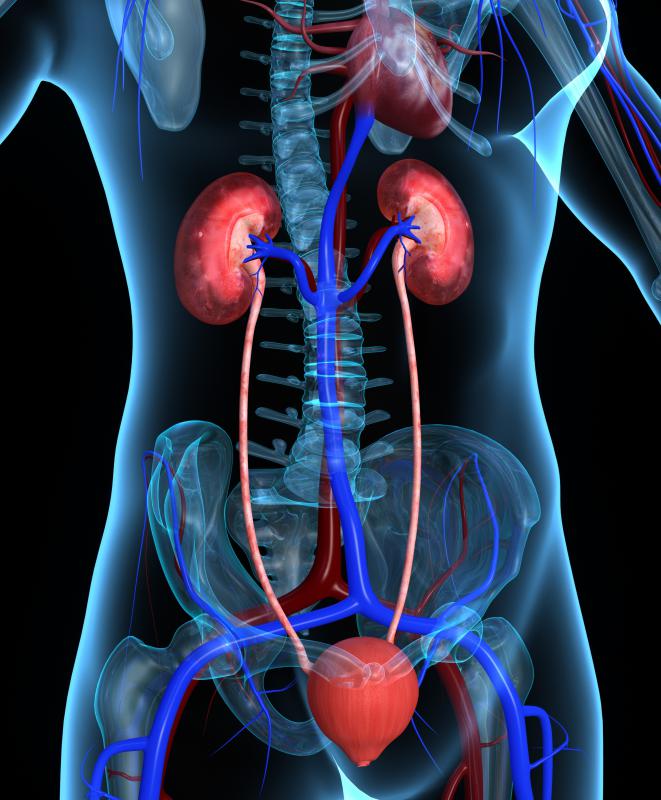
![Cranberries contain properties which can help combat urinary tract issues.]() By: 7activestudioCranberries contain properties which can help combat urinary tract issues.
By: 7activestudioCranberries contain properties which can help combat urinary tract issues.
Discussion Comments
Have been told that dried cranberries or "crasians" were a byproduct of the pressed cranberries...having already yielded their juice. And that these "leftovers" were very toxic. It was supposedly discovered that soaking these "leftovers" in sugar water took away the toxicity and made them edible. Turning the "leftovers" into something useful instead of toxic waste. Is any of this true?
May I use dried cranberries in a recipe that calls for whole cranberries? Should I soak them in water first, and if so, for how long?
Post your comments