
At HomeQuestionsAnswered, we're committed to delivering accurate, trustworthy information. Our expert-authored content is rigorously fact-checked and sourced from credible authorities. Discover how we uphold the highest standards in providing you with reliable knowledge.
What are Different Weights of Batting?
The weight or thickness of batting is measured by its loft. In quilting, selecting the perfect type of filling with just the right amount of loft can make all the difference in the finished product. There are four different types of batting, which fall into either natural or synthetic fiber categories.
Batting is categorized according to whether it is bonded or needlepunched. To make it even more complicated, stuffing is further divided into lofts: low loft, medium loft, high loft, extra-high loft and super loft. Different types have different lofts.

The four kinds of batting include 100% cotton, cotton/polyester blends, polyester and wool. Cotton, which falls under the natural fibers category, is often favored for its all-season comfort and soft texture. This type tends to have a lower loft, so it is often used for fine and intricate stitching.
Wool batting tends to be more expensive than all other types, but it is loved for its softness and warmth. It is very lightweight and preferred for the ease with which it can be quilted.
Cotton/poly blend is usually made up of 80% cotton and 20% polyester, although this proportion can vary by brand. This type of batting blends the benefits of both materials. Polyester is easier to handle than cotton and can lend a higher loft.
100% polyester batting holds up extremely well and offers the largest selection of lofts and thicknesses. Some brands offer polyester stuffing up to 3 inches (7.62 centimeters) thick. Polyester also allows for specialty fillings, such as those for crib bumpers.
These four categories are further divided into bonded and needlepunched batting. The bonded type is coated with a light resin or glaze on both sides of in order to provide additional strength and to avoid what is called “fiber migration.” Bonded batting tends to have a higher loft compared to needlepunched. It is preferred because it holds up well to frequent use and washings, and it doesn’t need extensive quilting to hold it in place.
Needlepunched batting is made by a machine that entangles the fibers of the stuffing to hold them together. This method results in typically lower lofts. Needlepunched is a more traditional type of batting and preferred for use in finely quilted blankets and clothing.
When the crafter has finally decided which type of stuffing to use, he or she must then decide what weight, or loft, to use for the particular project. A low loft type will take small, intricate stitching for thinner quilts and wall hangings. Medium to high loft is good for general use and allows the stitching to make more of an impression in the quilt by making it stand out more in relief. High loft stuffing is used for very fluffy quilts or mattress covers. The best way to choose the right weight and type for a project is to ask experienced crafters or the salespeople at the local craft store for recommendations.
AS FEATURED ON:
AS FEATURED ON:


-
![In quilting, selecting the perfect type of filling can make all the difference in the finished product.]()
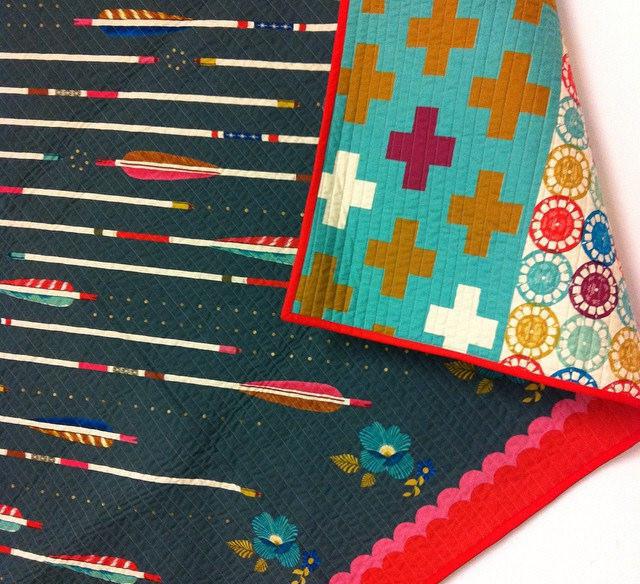
In quilting, selecting the perfect type of filling can make all the difference in the finished product.
Discuss this Article
Post your comments