
At DelightedCooking, we're committed to delivering accurate, trustworthy information. Our expert-authored content is rigorously fact-checked and sourced from credible authorities. Discover how we uphold the highest standards in providing you with reliable knowledge.
What are Different Types of Tea?
All non-herbal teas come from the plant species Camellia sinensis. Herbal teas are actually dried flowers and herbs and technically aren't "tea." Both tea and herbal teas can be brewed loose using a strainer or by using convenient tea bags, and enjoyed in delicious hot or iced drinks.
The three main varieties of the camellia sinensis are: India (or Assam), China, a hybrid. India tea is large-leafed and grows well in lower altitudes, while China tea is small-leafed and grows well in higher altitudes. Hybrids mix quantities of both China and India teas. Of these three varieties, there are four main types of tea: oolong, green, black and white.

White tea is the rarest and least processed type. Its taste can be very grassy at times. Processing usually involves oxidation, or fermentation. The oxidation occurs when enzymes in the plant are either bruised, broken or crushed so that the enzymes are exposed to air. White tea is not oxidized at all, but just left to dry as is. This air drying process is called withering.

White tea gets its name from its silver-colored dried buds with their white, thread-like growths. It has the least amount of caffeine and the highest amount of antioxidants of the four main tea types. Silver Needle is a type of white tea with a delicately sweet flavor.
Black tea is the most popular tea worldwide, but it does not have as many antioxidants as the other types and it contains the most caffeine. It's fully oxidized. Its leaves are rolled to break up the surface so more of it is open to air. When the leaves are fully oxidized they turn completely black, hence the name. Keemun black tea is said to have a chocolate-like flavor. Darjeeling and Ceylon are other black varieties.

Green tea is closer to white tea than black tea as it is non-oxidized. It differs from white tea because it uses rolled leaves and not the buds. Its grassy taste is very similar to that of white tea and is low in caffeine and high in antioxidants compared to black tea. Jin Xian Te Jian and Hojicha are two different types of green tea.
Oolong is often considered the most difficult tea to process as oolong leaves are only partially oxidized. The leaves cannot be broken or crushed, as full oxidation would occur, so they must only be bruised. Bruising is usually achieved by throwing the leaves in baskets so only the edges of the leaves are opened to air. Oolongs can be more like black teas or more like green teas in their fermentation. Pouchong and Formosa are two kinds of oolong tea.

Decaffeinated black teas are popular in Western cultures. The United States has approved both the use of carbon dioxide and ethyl acetate in the process of removing caffeine from black tea. The American Medical Association (AMA) has stated that up to seven cups of black tea a day is not an excessive amount of caffeine consumption for most adults.
Herbal teas aren't actually teas at all. Still, they're often very flavorful. They can be made from many different flowers and herbs. Varieties include peppermint, peach, strawberry and lemongrass.
AS FEATURED ON:
AS FEATURED ON:


-
![A small pile of loose Ceylon tea.]() By: svetamartA small pile of loose Ceylon tea.
By: svetamartA small pile of loose Ceylon tea. -
![Green tea.]() By: NataliTerrGreen tea.
By: NataliTerrGreen tea. -
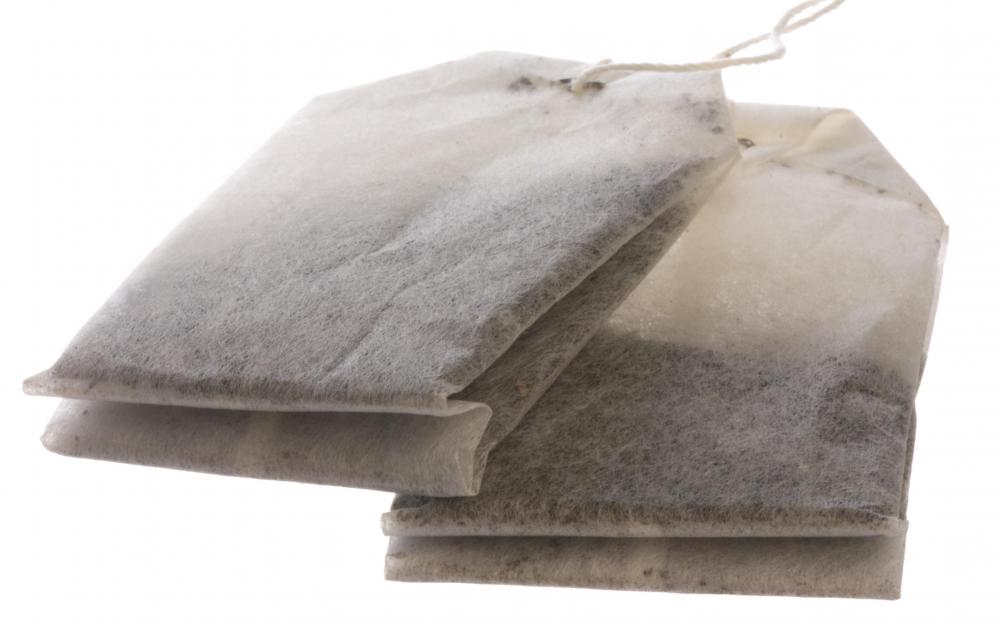
![Tea bags.]() By: Shariff Che'LahTea bags.
By: Shariff Che'LahTea bags. -
![A cup of herbal tea, which technically isn't tea.]() By: hitdelightA cup of herbal tea, which technically isn't tea.
By: hitdelightA cup of herbal tea, which technically isn't tea. -
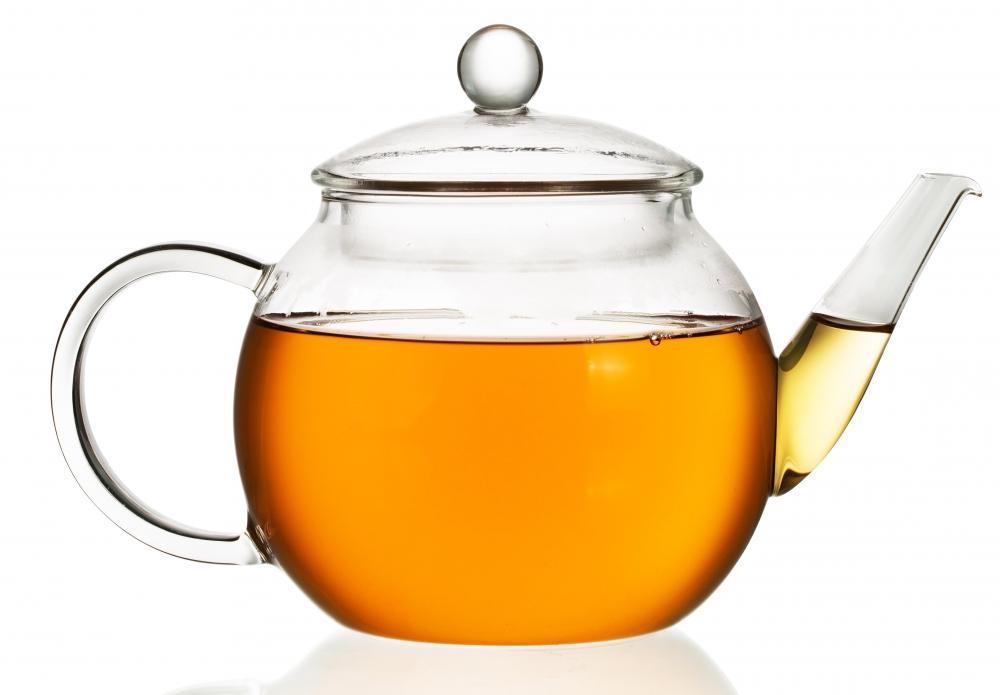
![Tea is often steeped in a teapot.]() By: aleksandra_1981Tea is often steeped in a teapot.
By: aleksandra_1981Tea is often steeped in a teapot. -
![All black teas are best when brewed using loose leaves.]() By: Fisher PhotostudioAll black teas are best when brewed using loose leaves.
By: Fisher PhotostudioAll black teas are best when brewed using loose leaves. -
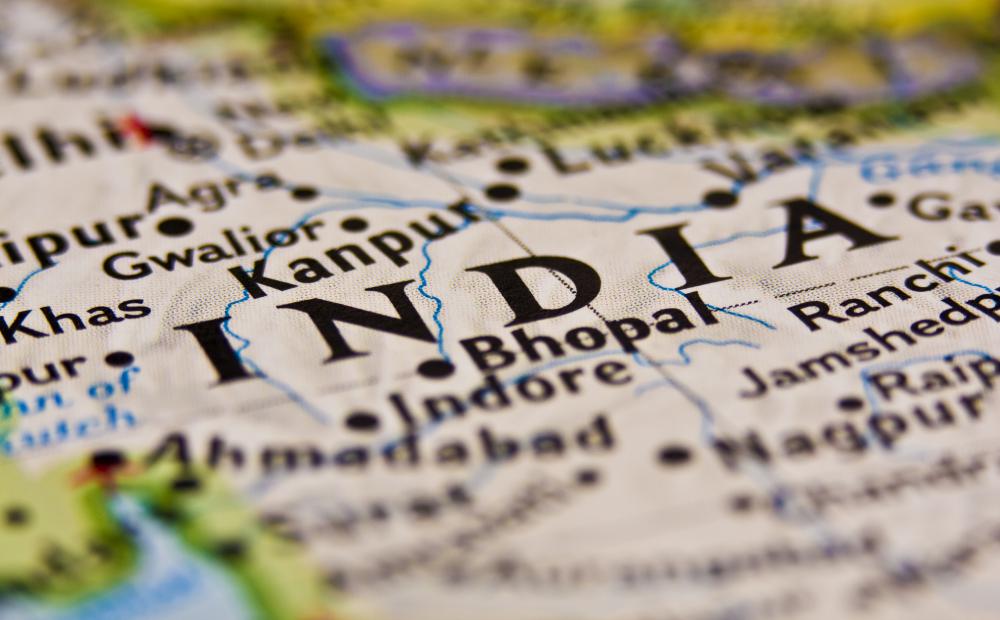
![In India, tea uses large leaves and is grown at low altitudes.]() By: BastosIn India, tea uses large leaves and is grown at low altitudes.
By: BastosIn India, tea uses large leaves and is grown at low altitudes. -
![Rooibos tea, also known as red bush tea, is popular in South Africa.]() By: strixcodeRooibos tea, also known as red bush tea, is popular in South Africa.
By: strixcodeRooibos tea, also known as red bush tea, is popular in South Africa.




Discussion Comments
Thanks for your great comments, Laluna. I guess I prefer my tea like the Chinese as I never add milk (or sugar) but I love lemon in it. I do also prefer green tea.
Whether your preference is black tea, or green tea it is best to drink it as is. On my trip to China I have learned that local Chinese people drink tea without any additions. They pour hot, not boiling, water over tea leaves, and sip the tea throughout the day.
It is also fine to add some lemon to the tea, however, adding milk to tea seems to neutralize all the heart and artery healthy benefits of tea. At least that was a finding of a recent study.
Post your comments