
At DelightedCooking, we're committed to delivering accurate, trustworthy information. Our expert-authored content is rigorously fact-checked and sourced from credible authorities. Discover how we uphold the highest standards in providing you with reliable knowledge.
What are Currants?
 Mary McMahon
Mary McMahon
Mary McMahon
Currants are glossy red or black berries that grow on thornless upright shrubs. To be classified as a currant, the bush must be in the genus Ribes. Native to the Northern Hemisphere, these plants have been cultivated throughout Europe and Asia for centuries. In the United States, commercial cultivation of currants was banned until 2003 because of concerns that they could harbor a disease that had the potential to devastate American timber stocks. For this reason, many Americans confuse Zante raisins with currants.
Hardy Plant

A true currant grows in a shrub form and is extremely hardy. These plants also have a strong will to live and have been known to propagate themselves from cuttings. Most climates are friendly to currants, which thrive under lower light conditions. As long as they are protected from a hard freeze with plenty of mulch around their roots, these plants will live to bear fruit year after year. The plants also are used decoratively in some gardens.
Tart Berries

The best time for currants is late spring through late summer. The berries should be plump, glossy and a little bit firm when they are purchased, and they can be stored for as long as three days under refrigeration. The fresh, tart flavor is excellent in fresh fruit dishes and can be used to make jams and preserves. These berries also lend themselves well to savory dishes, because the tart flavor makes a strong contrast. Currants are high in vitamin C, phosphorus, calcium and iron.
Impostors

In some places, the dried fruits sold at grocery stores as “currants” are actually dried Zante raisins from Greece. It is believed that the name “currant” is a corruption of Corinth and might have originated when the raisins were first imported into the U.S. during the 1920s. The raisins are much smaller and more flavorful than conventional raisins, and they are a popular addition to currant cake and other slightly savory dessert items.
U.S. Ban Lifted

The U.S. ban on currants was put in place in 1911 out of concerns about a plant disease called white pine blister rust, which uses currants as an alternate host. It was believed that eradicating currants would help with the problem. Greg Quinn, a farmer in New York, helped overturn the ban in 2003 with the assistance of state lawmakers. Quinn believed that currants could revitalize family farms in New York state by providing a source of income through a somewhat unusual berry. He also helped to breed varieties of currant that would be resistant to the parasitic white pine blister rust, demonstrating that these plants could be cultivated without threatening the U.S. timber industry.
Mary McMahon
Ever since she began contributing to the site several years ago, Mary has embraced the exciting challenge of being a DelightedCooking researcher and writer. Mary has a liberal arts degree from Goddard College and spends her free time reading, cooking, and exploring the great outdoors.
Learn more...
Mary McMahon
Ever since she began contributing to the site several years ago, Mary has embraced the exciting challenge of being a DelightedCooking researcher and writer. Mary has a liberal arts degree from Goddard College and spends her free time reading, cooking, and exploring the great outdoors.
Learn more...AS FEATURED ON:
AS FEATURED ON:


-
![Ripe red currants.]() By: Christian JungRipe red currants.
By: Christian JungRipe red currants. -
![Fresh black currants.]() By: DionisveraFresh black currants.
By: DionisveraFresh black currants. -
![Dried currants are used in many baked goods.]() By: BigDreamStudioDried currants are used in many baked goods.
By: BigDreamStudioDried currants are used in many baked goods. -
![Popular preparations for currants are jams and jellies.]() By: orangedahliaPopular preparations for currants are jams and jellies.
By: orangedahliaPopular preparations for currants are jams and jellies. -
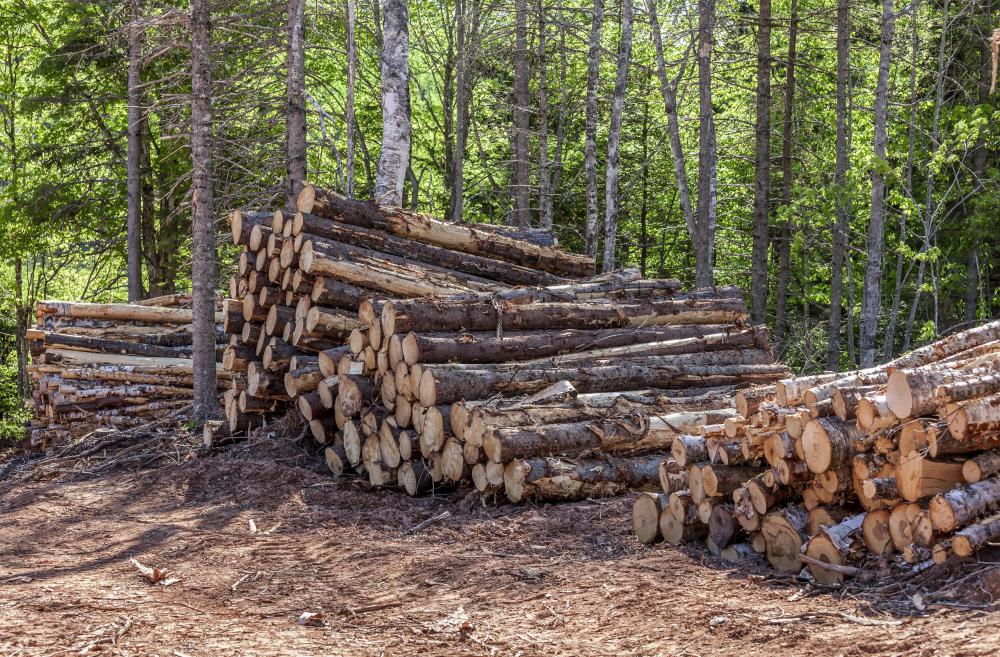
![Cultivating currents was banned in the US until 2003 due to a threat to the timber industry.]() By: oneponyCultivating currents was banned in the US until 2003 due to a threat to the timber industry.
By: oneponyCultivating currents was banned in the US until 2003 due to a threat to the timber industry.


Discussion Comments
I've seen these things that look like giant black currants. The leaves look right, the fruit grows the same, same color, same little bit of ex flower on the bottom of the berry as a currant has, except they're large and very sweet. I also want to know what they are. Definitely not blueberries. Exactly like a very large sweet currant.
just purchased a jar of currant jam. I didn't read the jar and thought I was getting blackberry jam. It tastes very good. The berries are smaller than a blueberry. It will be delicious on a hot biscuit. Yum! Primm Springs, Tennessee
The ban in the US mentioned was news to me! My great-grandfather raised them and sold the berries in market (both red and white currants) since before my mother was born and until he died in 1982. To the best of my knowledge the bushes still exist on the farm which was purchased and kept mostly the same since I was a child.
Anon41597 - Blackcurrants are not sweet until cooked. They are green on the inside. Maybe you have blueberries?
Ostrich - Currents are similar to raisins but hey are sweeter and don't have as strong a taste as raisins. They are also not as juicy.
I have what I think are black currants growing wild on my property. However, they are not tart like red currants, but rather quite sweet. Is this possible?
I've always been told that currants were small raisins, and I can't stand raisins so I never tried currants. If they're not raisins, I think it's time for me to try them!
Post your comments