
At SmartCapitalMind, we're committed to delivering accurate, trustworthy information. Our expert-authored content is rigorously fact-checked and sourced from credible authorities. Discover how we uphold the highest standards in providing you with reliable knowledge.
What are Consumer Goods?
 Tricia Christensen
Tricia Christensen
Tricia Christensen
Consumer goods are alternately called final goods, and the second term makes more sense in understanding the concept. Essentially, these goods are things purchased by average customers, and will be consumed or used right away. This is in contrast to other types of goods, called intermediate goods. Intermediate goods are products produced or things sold that will be used in the making of something else by another manufacturer or an assembler. Fabric produced from cotton might be an intermediate good, for example, while the clothing made from the fabric would be a consumer good, since it has reached its final destination: the consumer.
The category is most important in assessment of gross domestic product (GDP), basically a yearly measurement of what is purchased (consumed), made, invested, and what is spent by the government. Economic analysts can parse out the different types of goods that are included in the GDP, and look at how each area is performing. So for instance, a decline in consumer sales would indicate people aren’t spending as much on consumer items, which can include on food, automobiles, clothing, electronics, and a host of other things.

Some things that would seem like consumer goods are not traditionally classed this way. For instance, most things sold secondhand aren’t included any longer because they were already counted as final goods earlier. This would include the resale of items like cars, clothing, or jewelry. Other things that individuals might purchase like tires or a car battery, aren’t final goods either. Technically, the parts used in the assembly of cars don’t represent a final product, even though many people have had to buy new tires for a car or replace a car’s battery, because they may be used in the production of new items.

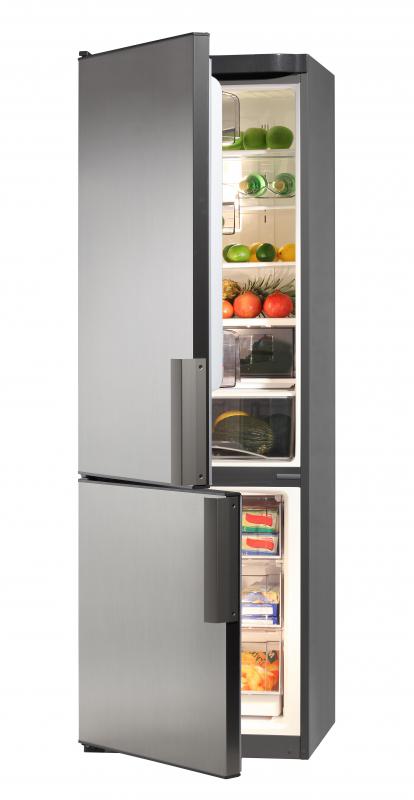
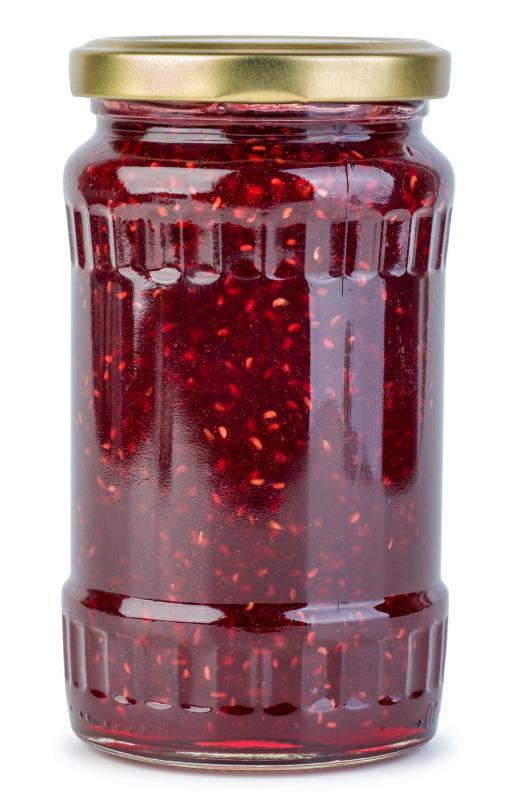
There’s also a classification called Fast Moving Consumer Goods (FMCG) or Consumer Packaged Goods. These are items that will be sold very quickly, such as most items sold in grocery stores and many small electronics items. Such things don’t always sell quickly, but they are usually consumed quite fast, and are defined the way they are in contrast to what are called durable goods, like big appliances. Simply put, a jar of strawberry jam, an FMCG, will be consumed much more quickly than the refrigerator a shopper places it in, a durable good.

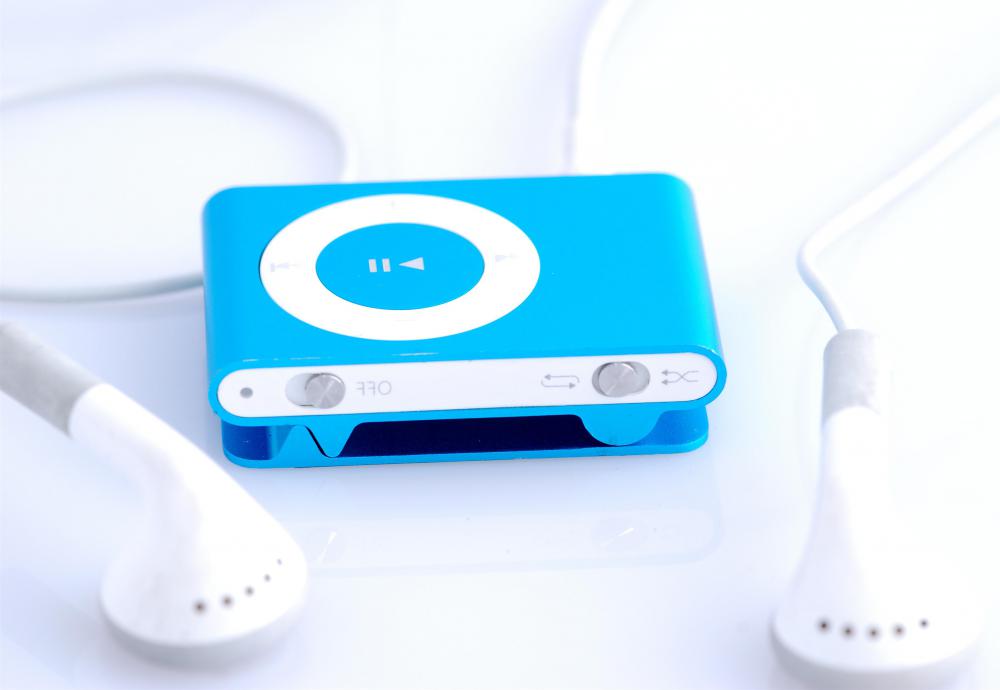
Another group of final goods is called Fast Moving Consumer Electronics (FMCE). This includes items like cameras, cellphones, MP3 players, and laptop computers. Desktop computers may be more likely to be considered as durable goods, though they’re still final goods, because they tend to stay in use longer than the average laptop.
Tricia Christensen
Tricia has a Literature degree from Sonoma State University and has been a frequent SmartCapitalMind contributor for many years. She is especially passionate about reading and writing, although her other interests include medicine, art, film, history, politics, ethics, and religion. Tricia lives in Northern California and is currently working on her first novel.
Learn more...
Tricia Christensen
Tricia has a Literature degree from Sonoma State University and has been a frequent SmartCapitalMind contributor for many years. She is especially passionate about reading and writing, although her other interests include medicine, art, film, history, politics, ethics, and religion. Tricia lives in Northern California and is currently working on her first novel.
Learn more...AS FEATURED ON:
AS FEATURED ON:









-
![Groceries are an example of consumer goods.]() By: Edyta PawlowskaGroceries are an example of consumer goods.
By: Edyta PawlowskaGroceries are an example of consumer goods. -
![Refrigerators are considered consumer durables.]() By: Piotr PawinskiRefrigerators are considered consumer durables.
By: Piotr PawinskiRefrigerators are considered consumer durables. -
![Clothing is a consumer good.]() By: Kayros StudioClothing is a consumer good.
By: Kayros StudioClothing is a consumer good. -
![A jar of jam is a fast moving consumer good.]() By: Roman IvaschenkoA jar of jam is a fast moving consumer good.
By: Roman IvaschenkoA jar of jam is a fast moving consumer good. -
![MP3 players are considered a fast moving consumer electronic.]() By: lionel VALENTIMP3 players are considered a fast moving consumer electronic.
By: lionel VALENTIMP3 players are considered a fast moving consumer electronic. -
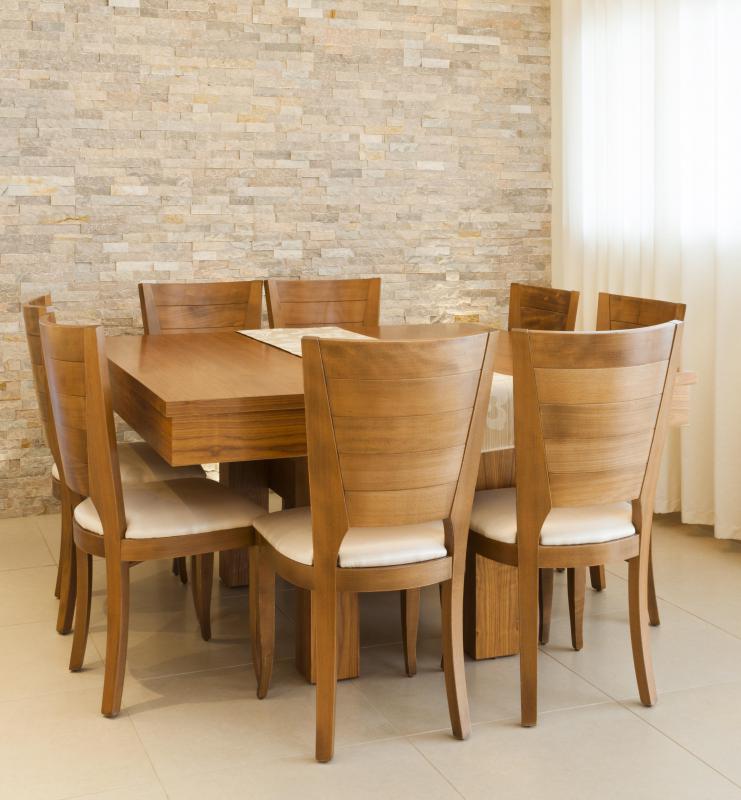
![Household furniture, such as a dining room table set, is one type of durable good.]() By: Dmitry PistrovHousehold furniture, such as a dining room table set, is one type of durable good.
By: Dmitry PistrovHousehold furniture, such as a dining room table set, is one type of durable good.


Discussion Comments
Subway11- That makes a lot of sense. When people perceive something as being less expensive they tend to buy more often.
But in terms of global consumer goods market, I think China is the most influential. The international consumer industry is really impacted by China.
Some say their explosive growth is causing many product defects which may be harmful to consumers. Some are concerned with the perceived lack of safety regulations by Chinese manufacturing companies.
Many Americans feel that Chinese manufacturers are producing goods at such a fast rate that they don't take safety into consideration.
For example, the use of lead paint in many children's toys caused a massive recall that made many American consumers hesitant to buy Chinese manufactured goods.
Sunny27- That's really interesting. You know consumer goods trends are showing the growth in private labels.
These were formally known as generic brands. Among the specialty supermarkets like whole foods and Trader Joe's is most explosive.
An increase of almost 15% in sales has resulted from increased private-label products. Other retailers such as Wal-Mart and BJ's have also increase your sales by about 10% in this market alone.
Some say the fact that private labels are perceived to be less expensive and more cost effective is a contributing factor to their growth in sales.
Crispety- Wow I didn't know that. I'd even say that there are lots of market research companies that use consumer good software to help clients determine future success of the product.
With their consumer goods research they are able to create statistical data and make recommendations on how to enhance a product or service.
Many of these market research firms conduct polls, surveys and focus groups. Some even send out a prototype of a new product to select group of targeted consumers.
These consumers are usually the target market of the product and the most likely to buy the product. So the company is more interested in their feedback as a result.
China's consumer goods market is very large. According to Gallup, 50% of Chinese rural residents own a mobile phone as opposed to 80% of those living in the city.
Also, about 4% of the rural residents have a computer while 33% of those living in the city do. The Chinese consumer market is one of the largest in the world with over one billion residents.
China continues to grow its exports and is currently experiencing a growth rate of 8% globally.
Post your comments