
At TheHealthBoard, we're committed to delivering accurate, trustworthy information. Our expert-authored content is rigorously fact-checked and sourced from credible authorities. Discover how we uphold the highest standards in providing you with reliable knowledge.
What Are Compression Socks?
 Michael Pollick
Michael Pollick
Michael Pollick
Compression socks are specialized hosiery items designed to provide extra support and increase blood circulation. Some manufacturers may also use the term support socks to describe their product. Compression socks are not to be confused with traditional dress socks or non-compression diabetic socks, although they may look similar. The main purpose of these socks is to provide graduated pressure on the lower leg and foot. Traditional dress and athletic socks offer some degree of compression, but not enough to be considered therapeutic.
The key to understanding how these socks work lies in knowing about their graduated pressure application. Throughout an average day, the body pumps blood to all of the extremities as equally as it can. Gravity, however, often causes blood to pool in the lower legs and feet, causing circulatory problems such as edema, phlebitis and thrombosis. At the very least, all of this blood pooling can cause fatigue and leg cramps. Elevating the legs and feet may alleviate the pain temporarily, but it often returns after a few hours of constant standing or walking.

This is where the use of compression socks can be extremely beneficial. These socks use stronger elastics such as rubber or spandex to create significant pressure on the legs, ankles and feet. By compressing the surface veins, arteries and muscles, the circulating blood is forced through narrower channels. The arterial pressure is increased, causing more blood to return to the heart and less blood to pool in the feet. Compression socks are tightest at the ankles, gradually become less constrictive towards the knees. The soles of these socks may be heavily padded for better shock absorption.

Although these kinds of socks were originally marketed to those with compromised circulatory systems, many people now find their everyday use beneficial. Experts suggest passengers on long flights should wear compression socks to prevent circulatory problems like deep vein thrombosis, leg cramps and edema. Athletes often wear them to give their leg muscles additional support while running or jumping. Those with occupations requiring long periods of standing may also benefit from the use of these socks.
Frequently Asked Questions
What are Compression Socks?

Specialized socks called compression socks are made to increase blood flow in the legs and feet. They are designed to be more snug than conventional socks and are created from various materials, including spandex and nylon. Support hosiery is another name for compression socks, available in multiple designs, hues, and sizes. They can aid in reducing fatigue and swelling in the feet and legs and are frequently worn during activities like jogging, walking, or prolonged sitting.
What are the Benefits of Wearing Compression Socks?

Numerous advantages of compression socks include increased blood flow, less edema, and enhanced athletic performance. Deep vein thrombosis (DVT) risk can be decreased, and fatigue can be reduced with improved circulation. Additionally, compression socks can lessen swelling in the legs and feet, relieving pain and discomfort. Running and walking are two activities where performance can be improved because compression socks can aid in lessening muscle tension and weariness.
Who Can Benefit from Wearing Compression Socks?

Anyone wishing to increase circulation, minimize swelling, and enhance athletic performance should consider wearing compression socks. They are frequently advised for people who spend a lot of time sitting or standing, as well as for runners and athletes. Compression socks may also benefit people with diabetes, varicose veins, and DVT.
How Should Compression Socks Fit?
Although they should be snug, compression socks shouldn't be excessively tight. They shouldn't be painful or uncomfortable due to being too close. While the socks should fit snugly around the ankle, they shouldn't be uncomfortable. Additionally, the socks should fit snugly around the calf but not painfully or immobilizingly.
How Often Should Compression Socks Be Worn?
Compression socks should be worn whenever necessary, depending on the activity or condition being treated. They ought to be worn by athletes throughout practice and competition. Those with health issues should wear them if their doctor or healthcare professional advises. To lessen fatigue and discomfort, they should be used as needed by people who sit or stand for long periods.
Michael Pollick
A regular TheHealthBoard contributor, Michael enjoys doing research in order to satisfy his wide-ranging curiosity about a variety of arcane topics. Before becoming a professional writer, Michael worked as an English tutor, poet, voice-over artist, and DJ.
Learn more...
Michael Pollick
A regular TheHealthBoard contributor, Michael enjoys doing research in order to satisfy his wide-ranging curiosity about a variety of arcane topics. Before becoming a professional writer, Michael worked as an English tutor, poet, voice-over artist, and DJ.
Learn more...AS FEATURED ON:
AS FEATURED ON:


-
![A runner wearing compression socks.]() By: mezzotint_fotoliaA runner wearing compression socks.
By: mezzotint_fotoliaA runner wearing compression socks. -
![Compression socks increase blood flow circulation.]() By: Werner FellnerCompression socks increase blood flow circulation.
By: Werner FellnerCompression socks increase blood flow circulation. -
![Medical compression socks may be used to treat swelling associated with a medical condition.]() By: nitoMedical compression socks may be used to treat swelling associated with a medical condition.
By: nitoMedical compression socks may be used to treat swelling associated with a medical condition. -
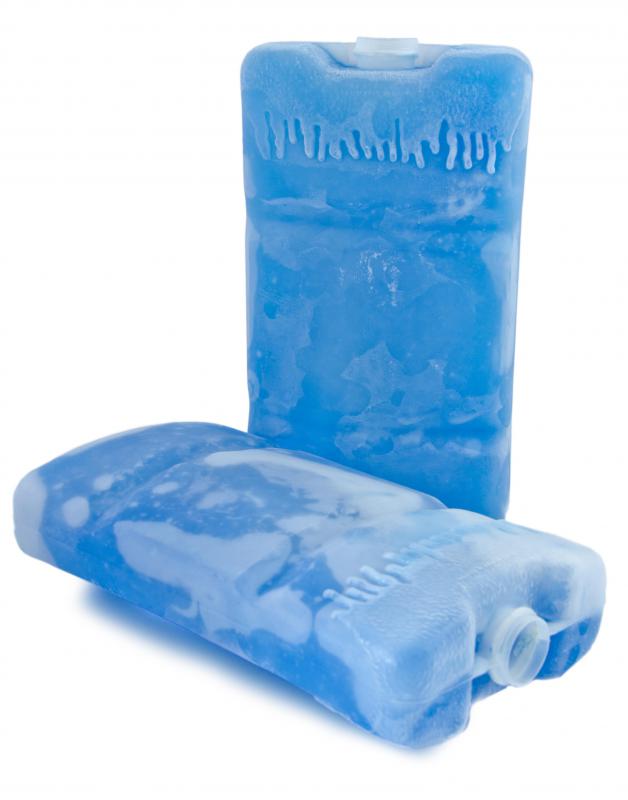
![Compression sock may be used with ice packs to help with swelling.]() By: michelaubryphotoCompression sock may be used with ice packs to help with swelling.
By: michelaubryphotoCompression sock may be used with ice packs to help with swelling. -
![Elevating the legs and feet may alleviate pain temporarily.]() By: Renee JansoaElevating the legs and feet may alleviate pain temporarily.
By: Renee JansoaElevating the legs and feet may alleviate pain temporarily.



Discussion Comments
What type of medical compression hose can you get if you are allergic to the material in the normal hose?
@cestey 1: Order online. I have used my compression socks (Bonvolant graduated compression socks) for 10 years, with a pressure of around 22mmHg (suitable for entire day and night use. I wear mine to sleep, to work, to exercise.
From my own testing of lowering blood pressure of the polarity kind, a blend of 60 wool and 30 cotton with what's left bonding the two seems to create a diode effect. It allows static energy (stress) to be dissipated. It's the same thing as sleeping with your head pointed north to allow earth's natural energies to allow more rest. It's the same as petting a cat.
Socks should not restrict but ease. For example: Turn one sock inside out and just put the two in the washing machine. After the spin cycle, one will be on each side 180 degrees away from each other. One is dry enough to wear, and the other will be still dripping wet. These socks also slip and slide most easy on smooth floors so be careful of this.
@bbarkley: I also bought the Sugar Free Sox for my father.
@anon37301(post 10) Here’s a tip for putting them on: try having him roll the length down to the toes (like stockings) then put them on the toes, over the heel and then roll them up so he doesn’t have to tug them up inch by inch. Good luck!
You should try the Sugar Free Sox brand of compression socks. My grandmother is in a wheelchair and these socks help reduce swelling in her ankles and feet. My aunt uses them during long days on her feet as a nurse. They have moderate graduated compression so they have the right pressure from ankles to calves.
I wear compression socks for poor circulation and swelling of legs. I wear them every other day at work. The problem is with my feet. They are so compacted that by the end of the day it feels like I am walking on the the ends of my legs not my feet. I can't wait to get them off.
I have wide feet, so perhaps this is why they hurt and by the end of the day I am so uncomfortable I don't want to walk on them. They feel squashed. I thought these socks were for your legs. Why are my feet feeling so bad?
Where are women's compression socks?
Please do not wear compression socks to sleep, says my pharmacist.
I have worn compression socks for years because of poor circulation in my legs and feet. I recommend 15-20mmHg (mild) or 20-30mmHg (firm) socks unless your condition requires a higher level of compression.
#8: Blood flows from your heart->arteries->small blood vessels/capillaries->veins->heart. However, it can pool in veins (not typically arteries). Compression on the veins reduces the amount that they can expand. Therefore it encourages the blood not to pool, but instead the blood moves back up your legs to your heart.
#6: You might want to consider getting a physical (and/or seeing a cardiologist). Pronounced edema is Not normal and can be a sign of underlying medical conditions (e.g., congestive heart failure).
#1: I wish I knew.
I bought some medical grade socks (apparently they are they only medical grade socks available?) Anyway I would recommend them. They have helped with my blood circulation
To no. 2, you can use Woolite Extra Delicates Care to wash the socks as it's designed for hand washing/delicates. To no. 10, I find the easiest way to put the socks on is as follows. First, put your hand into the sock and grab the heel portion and pull it (like you're turning the sock inside out) until the heel portion reaches the top (opening) of the sock. Then pull the sock (just the foot portion) onto your foot, making sure it's straight. Finally, you can pull the rest of the sock up now. I usually do the pull and point method, that is pulling up the sock while pointing my toes. this should alleviate bunching. This method works very easily for me. Hope it helps.
My husband can't get his compression socks on. His genetic make-up is a large belly and he finds it difficult to put them on and take them off. Any tips?
Squeezing by socks will compress the surface blood vessels more than deep, near the bone, vessels. The deep vessels are arteries. Therefore arteries are compressed less than veins. It seems this should increase pooling of blood in the legs, not the advertised opposite. What is wrong with this logic? ebh
If I completed a vein closure procedure on a Thursday and kept my leg wrapped through Monday and then kept my leg with no compression until Thursday can I experience any negative consequences? On Thursday I purchased a pair of compression socks, but I am worried because my leg had no compression for 3 days.
I began having some edema around my ankles and was able to push in about 1/4 inch just over my shin bone. The swelling would vanish overnight and I had no discomfort whatsoever during the day. Nevertheless thinking the edema needed to be treated, I ordered some Level 1 compression socks. I've worn them for 2 days now and on both days, I've had pins and needles and discomfort in my feet and calves. I just took them off, and think I'll make do with a little swelling. It seems that compression socks just provide symptomatic relief, and if your symptoms don't bother you, you may be better off without them.
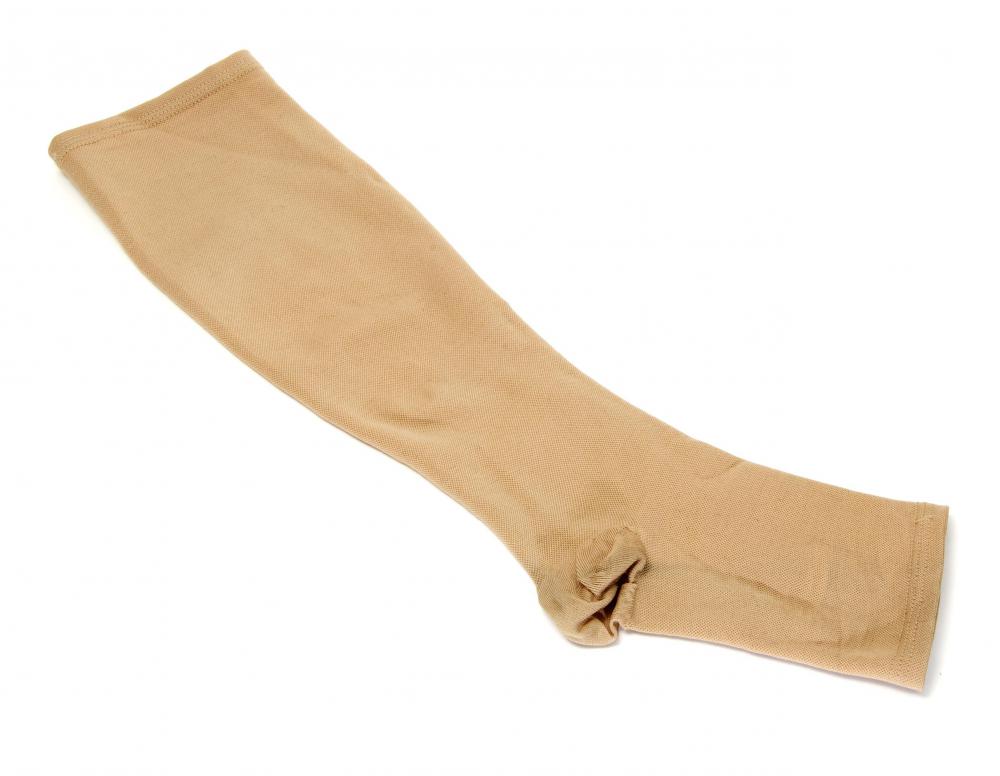
My doctor has prescribed compression socks because I have clotting in my lower leg. Summer is coming and I prefer to have bare feet. Is it necessary to wear the kind that cover the entire foot? Is there a variety of these socks that starts at the ankle?
One typically wears compression socks during waking hours. When prone, blood doesn't pool in the lower extremities.
do you just wear compression socks during the day or do you also wear them while you sleep?
Specifically, what mild laundry detergent that I can purchase at a grocery store can I use to wash these socks?
How do you order compression socks and how do you know what mmg to order?
Post your comments