
At WiseGEEK, we're committed to delivering accurate, trustworthy information. Our expert-authored content is rigorously fact-checked and sourced from credible authorities. Discover how we uphold the highest standards in providing you with reliable knowledge.
What are Common Causes of Night Sweats and Insomnia?
 Tricia Christensen
Tricia Christensen
Tricia Christensen
Many common conditions create night sweats and insomnia. First, night sweats frequently lead to insomnia because episodes of heavy sweating can cause the individual to wake up at night. He or she may need to change his or her clothes or sheets because they’ve drenched them in sweat. This nighttime interruption disrupts the sleep cycle and makes it difficult to resume sleep, resulting in exhaustion. In other instances, things like stress and anxiety disorders, pregnancy or menopause, infections, hormonal imbalances, sleep apnea, or medications are most commonly associated with concurrent emergence of these two conditions.
Stress or anxiety disorders are linked to night sweats and insomnia, which means that most people may be vulnerable at some point in their lives to developing these symptoms. Night sweats don't necessarily happen to all people with anxiety, but they can be an added unpleasant symptom that worsens sleep problems. The key to symptom reduction is lowering underlying stress, which might involve a variety of self-help or therapeutic treatments.

Women who have experienced pregnancy or menopause can attest to the challenges of these symptoms. For perimenopausal women, the frequent hot flashes often affect the ability to sleep. Night sweats also elevate stress levels, so the body may be less likely to get adequate sleep.
A variety of common infections may result in temporary night sweats and insomnia. Any type of virus accompanied by a fever may cause excess sweating and extreme wakefulness, and these conditions are usually resolved as the body effectively eliminates the virus. Certain viruses, like HIV, can’t be cured and might continue to produce these symptoms. Bacterial infections are also known for causing sleep problems and sweating, and some most commonly associated with these symptoms include tuberculosis and any infection that causes cysts or organ inflammation. Symptoms are usually temporary and go away with treatment.

Hormonal imbalances create nighttime perspiration and poor sleep. One of the most common offenders, aside from hormone changes in pregnancy and menopause, is higher than normal levels of thyroid hormone or hyperthyroidism. The thyroid hormones regulate body temperature, and elevated levels can raise body temperature significantly.
Other sleep disturbances have been associated with these symptoms. Some people who experience sleep apnea report these problems, and this condition often complicates matters because it already makes it difficult for a person to get a good night's sleep. Treating apnea may resolve all of the symptoms, however.

Many people take medications that affect sleep. Night sweats and insomnia have been associated with a variety of antidepressants, with corticosteroids like prednisone, and with drugs like tamoxifen. Not all people taking these medications report excess sweating and insomnia as side effects. People who suffer these symptoms regularly may want to speak to a medical professional to discuss possible medication changes.
Tricia Christensen
Tricia has a Literature degree from Sonoma State University and has been a frequent WiseGEEK contributor for many years. She is especially passionate about reading and writing, although her other interests include medicine, art, film, history, politics, ethics, and religion. Tricia lives in Northern California and is currently working on her first novel.
Learn more...
Tricia Christensen
Tricia has a Literature degree from Sonoma State University and has been a frequent WiseGEEK contributor for many years. She is especially passionate about reading and writing, although her other interests include medicine, art, film, history, politics, ethics, and religion. Tricia lives in Northern California and is currently working on her first novel.
Learn more...AS FEATURED ON:
AS FEATURED ON:









-
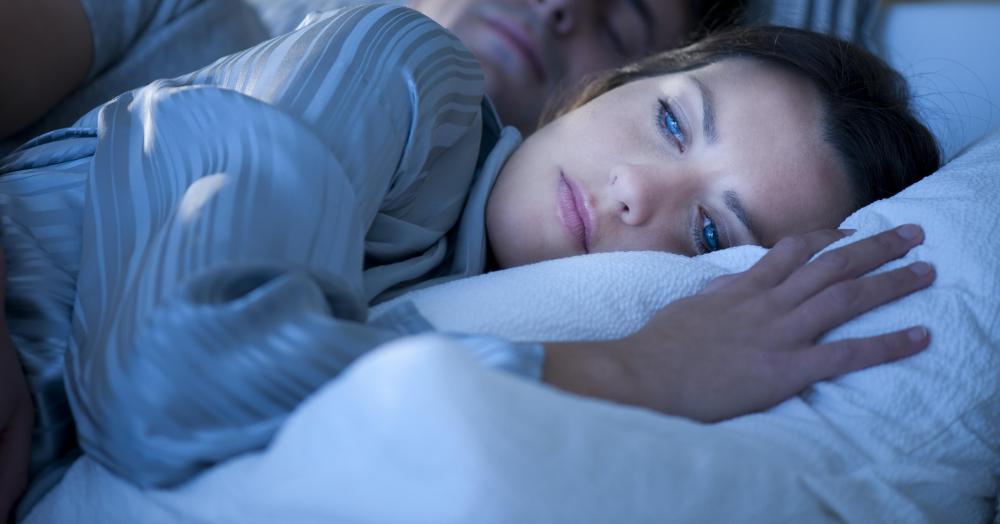
![Stress can cause insomnia.]() By: stefanolunardiStress can cause insomnia.
By: stefanolunardiStress can cause insomnia. -
![Dehydration, which can be caused by excessive drinking, can lead to headaches and night sweats.]() By: kmiragayaDehydration, which can be caused by excessive drinking, can lead to headaches and night sweats.
By: kmiragayaDehydration, which can be caused by excessive drinking, can lead to headaches and night sweats. -
![Any virus that causes a fever can prompt night sweats and insomnia.]() By: bramginoAny virus that causes a fever can prompt night sweats and insomnia.
By: bramginoAny virus that causes a fever can prompt night sweats and insomnia. -
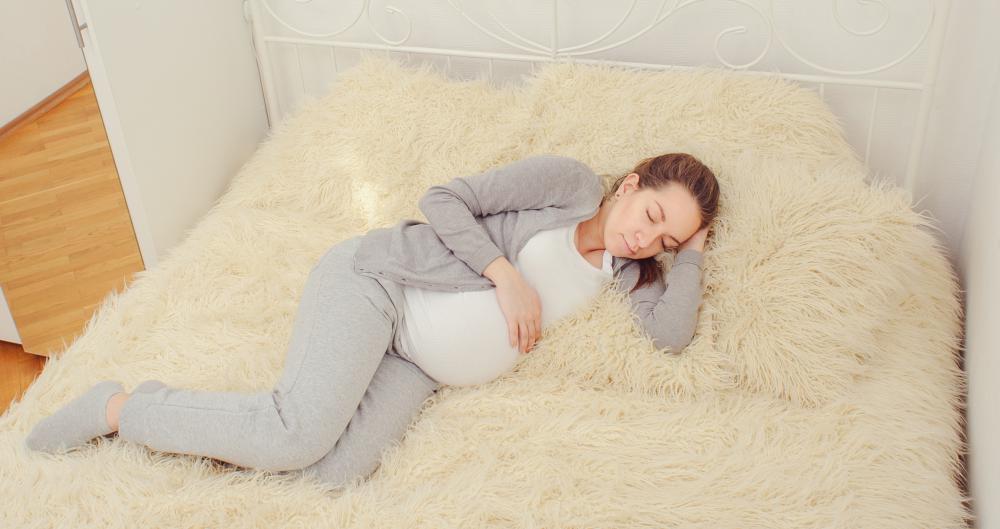
![Pregnancy is a common cause of night sweats and insomnia.]() By: MilissentaPregnancy is a common cause of night sweats and insomnia.
By: MilissentaPregnancy is a common cause of night sweats and insomnia. -
![Watching TV late into the night can cause insomnia.]() By: xalanxWatching TV late into the night can cause insomnia.
By: xalanxWatching TV late into the night can cause insomnia. -
![Withdrawal from drugs often causes night sweats and insomnia.]() By: Innovated CapturesWithdrawal from drugs often causes night sweats and insomnia.
By: Innovated CapturesWithdrawal from drugs often causes night sweats and insomnia. -
![Hormonal imbalances can cause night sweats and poor sleep.]() By: camrockerHormonal imbalances can cause night sweats and poor sleep.
By: camrockerHormonal imbalances can cause night sweats and poor sleep.




Discussion Comments
Depression and physical illness can also cause these issues. Depression causes sleep problems for many people. Physical illness such as a cold can also cause night sweats and insomnia.
I had a cold last week and the nights were horrible for me. I would sweat, then freeze, then sweat again. I had to change pajamas twice a day. And due to this routine, I couldn't sleep.
@ddljohn-- You might also want to get your calcium tested. Women in menopause actually need more calcium than before. And lack of calcium can cause insomnia as well. So ask your doctor if you need to take a calcium supplement.
I'm going through menopause and night sweats and sleepless nights have become the norm for me lately. I'm just having such a hard time with it. Most women who go through menopause hot flashes and night sweats. I knew about this before as well. But I didn't know that menopause meant sleeping less as well. The sweating wakes me up at night and then I have trouble falling back asleep.
I'm going to ask my doctor for a medication or a suggestion for some herbal remedies or supplements.
@clintflint - Severe insomnia is different from just not being able to sleep for a while because you're thirsty though. I never thought it was that big of a deal until I started taking a new medication that meant I had trouble sleeping.
It is really awful to lie awake and not be able to sleep, no matter what you try and no matter how tired you actually feel. If you had proper night sweats and hot flashes on top of that it would really be terrible. I guess that happens to a lot of women when they go through menopause, because I can remember my mother complaining about it. But I never appreciated how bad it can be until I suffered from insomnia myself.
@Iluviaporos - It might actually be dehydration that is keeping you awake after you wake up. I find if I sweat during the night that I go back to sleep much faster if I drink a bottle of water first.
I wouldn't necessarily dismiss the fact that you are having trouble regulating your temperature at night though, especially if it's a new thing. It could be a symptom if you've got other changes as well.
I actually think that I end up with insomnia because I get night sweats. It happens in the winter because I tend to pile on the blankets at the beginning of the night and then fall asleep as soon as I warm up. But I never remember to take off the top blanket, so I always end up sweltering under it in the middle of the night.
Which wakes me up and then I can't get back to sleep again. I know there's a simple solution, but I never seem to be able to balance the number of blankets so that I stay warm but don't get too warm.
Post your comments