
At TheHealthBoard, we're committed to delivering accurate, trustworthy information. Our expert-authored content is rigorously fact-checked and sourced from credible authorities. Discover how we uphold the highest standards in providing you with reliable knowledge.
What Are Common Causes of Hallucinations in the Elderly?
The most common causes of hallucinations in the elderly are dementia, Alzheimer's disease, side effects of medications, and psychosis. A condition known as Charles Bonnet Syndrome can also cause hallucinations. Elderly patients who have had or are recovering from a stroke have been known to experience hallucinations as well.
When an elderly person is exhibiting symptoms of dementia, he can sometimes experience paranoia along with delusions and hallucinations that are either auditory or visual. A patient may believe that an object is in front of him, and so he believes he is "seeing" something that is non-existent, or hearing sounds and noises that do not exist. He may also smell things that are in his own mind.

When people with dementia have hallucinations, it is typically due to systematic changes that occur within areas of the brain. These changes that can contribute to delusions and hallucinations in the elderly patient generally occur within the frontal and temporal regions of the brain. Delusions differ from hallucinations, in that the patient doesn't necessarily see or hear things that aren't present, but he may have a distorted view of situations around him.

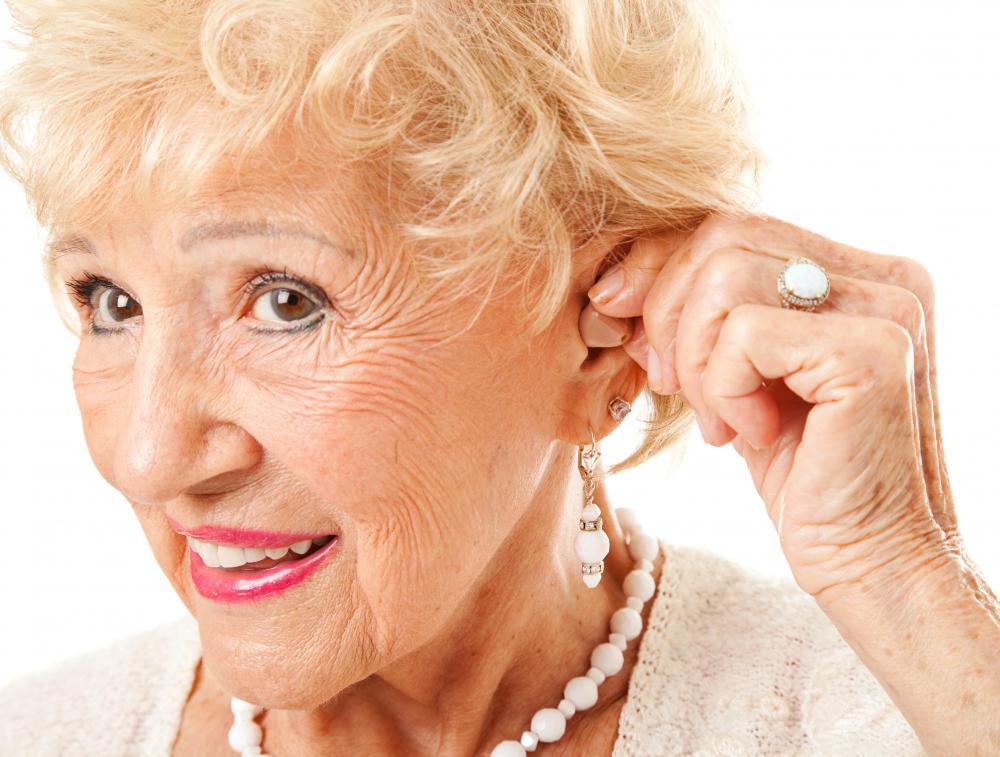
Auditory or visual hallucinations in the elderly can occur with a condition known as Charles Bonnet Syndrome (CBS). This condition typically manifests in older patients with hearing loss or deafness, or who have limited sight or total blindness. The patient may actually hear music, melodies, or other sounds that are non-existent. Patients with CBS may also see visions of animals or other designs and sights that do not exist. These hallucinations typically happen to patients who, at some prior period in life, had been able to see or hear.

Strokes or other trauma to the brain can be direct causes of hallucinations. Again, this type of injury would affect the temporal or frontal lobes. When injury to the brain affects these significant areas, ability to reason, as well as visual disturbances can occur.
Hallucinations in the elderly are not uncommon. If the patient is in an unfamiliar situation, hallucinations have been known to occur. In addition to the patient having visions of things that do not exist, he may also become delusional and imagine a situation or event that has not actually occurred.
What Medications Cause Hallucinations in the Elderly?

While certain medications are more likely than others to cause hallucinations in elderly populations, any drug with improper dosage or those taken without following dosing guidelines can cause hallucinations in anyone. It is imperative that dosing be monitored consistently to ensure proper treatment now and over time, as requirements may change. Food, water, and dosage time are also vital to appropriate medical treatment that reduces the chance of hallucinations.
Not All Hallucinations Linked to Medicines

The other essential note for identifying the medicinal causes is that hallucinations may already be present in patients that take medication. Identifying the types of hallucinations typically present, whether it be a result of psychiatric illness or non-psychiatric etiology, is vital to ensuring that no new hallucinations crop up as part of treatment or medicinal therapy.
Changes in Medicine Linked to Hallucinations

When hallucinations appear that were not there before or new variations of hallucinations occur in elderly patients, it is commonly linked to changes in medicine. The side effects of medication or the combination of one or more therapies in the body can produce potent outcomes that can cause hallucinations. Alternately, some medicines, such as narcotics or opiates, are known to cause hallucinations in all populations of patients, not just the elderly.
Withdrawal From Medicines Linked to Hallucinations

In addition to medicines, hallucinations are known to occur when a patient is removed from a medication. Medications must be carefully changed and, in most cases, systematically weaned from a patient's system to prevent life-altering effects from withdrawal, including hallucinations.
Various Medicines Linked to Hallucinations
Special care must be taken when prescribing any medications, especially those with the propensity to cause hallucinations when given in large doses. Pain medications and sedatives for chronic pain management are often guilty-as-charged for causing hallucinations when attempting to increase the quality of life and decrease chronic discomfort. Other drugs that are regularly linked to hallucinations include but are not limited to:
- Narcotics
- Opiates
- Beta-agonists
- Dopaminergic agents
- Proton pump inhibitors
- Quinolones
- Antidepressants
- Anticholinergic drugs
Elderly-Specific Medicines Linked to Hallucinations
While there is a broad swath of medication that can cause hallucinations, a select few are linked to confusion, delusions, and potential hallucinations among elderly populations. Checking to see if commonly prescribed drugs fall into the class of anticholinergic drugs is essential for monitoring medicinal efficacy and safety.
The drugs are referred to as anticholinergic drugs and are known for their ability to block acetylcholine, which is imperative in memory and learning. Anticholinergic drugs are also known to cause the following symptoms:
- Confusion
- Agitation
- Constipation
- Urinary retention
- Dry mouth
- Dehydration
Can Dehydration Cause Hallucinations in the Elderly?
Dehydration is often a symptom of incorrect medical treatment and nourishment. Improper prescriptions and dosages have side effects that can leave patients dehydrated for a significant number of reasons. In fact, for most medicines, dosage includes at least 8 ounces of water, if not water and food consumption to help metabolize the incoming medication. Without proper care, dehydration can also cause hallucinations in the elderly.
Symptoms of Dehydration
Dehydration is especially dangerous in older adults and elderly patients because as you age, the amount of water in your body naturally decreases. To keep your body aptly hydrated, you must take conscious measures to maintain balance. Patients’ medications might dehydrate and cause disastrous results even with regular water intake. Commonly reported symptoms that underscore dehydration diagnoses include:
- Sleepier than usual without cause
- Vomiting or diarrhea lasting longer than 24 hours
- Feeling agitated and disoriented
- Inability to keep fluids down
- Bloody or black stool
- Dry or sticky mouth
- Confusion or hallucinations
- Weakened legs and arms with painful extension
How To Deal With Hallucinations in the Elderly?
The best way to deal with hallucinations in elderly patients is with great care, humanity and empathy. While hallucinations may be nonsensical to those studying or treating them, they are genuine to the patients experiencing them and can be unsettling and confusing. In many cases, hallucinations are heartbreaking and terrifying all at once. To combat hallucinations, start with practical measures and move to personalized treatment and support for the patient.
Practical Measures To Deal With Hallucinations
Decreasing confusion by any amount in visual or audiological perception can help patients.
- Correct vision
- Correct hearing
- Clean glasses
- Adjust hearing aids
- Bright lighting
- Name tags
- Mirrors
Personalized Treatments To Deal With Hallucinations
One person’s hallucinations may come from psychosis, while another may be suffering from hallucinations due to swapping medicines. Each treatment will be different.
- Grounding techniques
- Memory boards
- Pharmacological treatment
- Therapy
- Psychosocial strategies
- Environmental strategies
AS FEATURED ON:
AS FEATURED ON:


-
![Charles Bonnet Syndrome, a common cause of hallucinations in the elderly, typically manifests in older patients with hearing loss.]() By: Lisa F. YoungCharles Bonnet Syndrome, a common cause of hallucinations in the elderly, typically manifests in older patients with hearing loss.
By: Lisa F. YoungCharles Bonnet Syndrome, a common cause of hallucinations in the elderly, typically manifests in older patients with hearing loss. -
![Dementia may cause hallucinations in the elderly.]() By: Fotoluminate LLCDementia may cause hallucinations in the elderly.
By: Fotoluminate LLCDementia may cause hallucinations in the elderly. -
![Side effects of medication can cause hallucinations in the elderly.]() By: Igor MojzesSide effects of medication can cause hallucinations in the elderly.
By: Igor MojzesSide effects of medication can cause hallucinations in the elderly. -
![Hallucinations in the elderly are somewhat common.]() By: imageegamiHallucinations in the elderly are somewhat common.
By: imageegamiHallucinations in the elderly are somewhat common. -
![Damage to the frontal or temporal lobe of the brain can lead to hallucinations.]() By: Alila Medical MediaDamage to the frontal or temporal lobe of the brain can lead to hallucinations.
By: Alila Medical MediaDamage to the frontal or temporal lobe of the brain can lead to hallucinations. -
![Many hallucinations that strike elderly people are caused by systemic changes in the brain.]() By: riccardo bruniMany hallucinations that strike elderly people are caused by systemic changes in the brain.
By: riccardo bruniMany hallucinations that strike elderly people are caused by systemic changes in the brain. -
![Strokes or other trauma can damage the brain's frontal lobe, causing hallucinations.]() By: RidoStrokes or other trauma can damage the brain's frontal lobe, causing hallucinations.
By: RidoStrokes or other trauma can damage the brain's frontal lobe, causing hallucinations.



Discussion Comments
I'm now starting to worry that my mother's doctors may have harmed her by carelessly prescribing a very large number of medications.
My grandmother turned 100 two months ago. She lost her only child around 10 months ago. Her vision is pretty good to the point where she can make you out from 15 plus feet away. Her hearing has diminished to the point where you have to yell for her to understand what you are saying.
All said, she can carry on a lucid conversation, but her short term memory is shot. You constantly have to repeat things you told her only 5 - 10 minutes prior, yet her long term memory is decent. Recently on occasion she has had hallucinations to the point she sees people outside her house skiing or ballroom dancing. She also recently fell but is unaware how she fell, the only evidence some bruising along her side. She also has become quite irritable, particularly in the evenings and is eager to get even family members out of her house. Her sleep habits vary, but typically goes down at 8 and is up at 10. Is it possible she has vascular dementia?
My Mum has hallucinations pretty much every day. She images Dad, who died last year, is a sleeping bag on the sofa. She believes an old lady has been to visit her and has lost her cat, small children have been running around her apartment and a couple with gaunt faces held a child with a "goat face" on the window sill. She is absolutely adamant this is all true and cooked dinner for them all yesterday and was surprised that they all refused to eat anything. Medical support services , Surrey - UK, have been pretty useless, passing Mum's case between hospital, GP, health care professionals, private care companies etc. We are pretty much at a loss as to what to do to help Mum.
My great grandfather had a stroke two days ago but did not go to the hospital. Now he is seeing things that aren't there -- stuff like airplanes crashing into water, dark shadows with the figure of a human and sometimes he thinks he is in the hospital. What can I do to help? I'm so worried. Please help! We cannot get him to go to the hospital either!
Sometimes a particular sleep aid can trigger hallucinations, especially if an older person is not accustomed to periods of deep sleep. I've been around elderly people who have had bad reactions to Xanax or prescription sleeping pills like Ambien. They often get caught in a semi-awake situation and become convinced there are monsters in the room or visitors are really gangsters or plants have come to life. If an elderly relative complains about a lack of sleep, my suggestion would be to have a doctor prescribe the lowest dose possible at first and sneak up on the problem.
There's also a thing called hospital psychosis that can trigger hallucinations. If an elderly person spends too much time without normal light cues, they can get agitated from a lack of sleep and start hallucinating. The nurse who comes in with their nighttime medications may be a trained assassin, or an image on the television could become a terrifying monster. When visiting elderly hospital patients, it might help to open the windows in order to provide light cues to their brains.
@anon337360: Any time something like this happens with an elderly person, my first thought is a urinary tract infection. They may have no other symptoms other than the confusion/hallucinations. A simple urine test can confirm whether she does, and antibiotics usually clear them up fairly quickly. Good luck.
Two weeks ago, my grandmother had a nightmare. She said she saw frogs and whatever else. It left her restless all night. The next day, I took her to the hairdressers and she was seeing things. She is pretty much blind now (she's 95) but she was seeing trees and talking strangely, like going in and out of hallucinations. She remembered what she had for dinner the night before, then she would say there's a nice cottage and that she's going to get her eyes fixed tomorrow. She was hearing music and seeing things while getting her hair done. She also accused the hairdresser of taking money (she never has behaved that way before, the hairdresser has known her for years, she got worried and told my family about it all).
I don't know if she's had another nightmare but her hallucinations seem to be nice things. Things from her life, like the countryside, pipers (music). I just hate to see her like this. Is there medicine for it?
My Grandmother has been telling me that she's seeing people who are "not really there". She believes it's visions. For example, "two people on white horses with crazy shirts" and "a woman in red that put a gift in a basket in her den". She knows that what she's seeing is not real, but she's not sure why she's seeing this.
She is 101 years old, no history of CVA although she has high BP moderately controlled with meds. Should we have her evaluated by a neurologist? I'm sure they will find brain atrophy at her age, but was wondering if she might benefit from dementia meds? Thanks for any input.
@anon128052 - It sounds like you and your family are doing very well at trying to remain patient and sympathetic to your mother. The only advice I could give is to try to maintain that patience and keep visiting, even when she is increasingly hostile.
I know it’s difficult to maintain a positive relationship with an elderly person who is suffering from these kinds of hallucinations, but since dementia is so common in elderly people it is often ignored and that can make it a lot worse. I would try to remain positive and engage your mother in positive activities. It can be hard caring for an elderly person suffering from dementia, but maintaining a strong bond is always helpful.
I hope this helps you a bit.
My mother has recently gone into a nursing home. She has macular degeneration but good hearing. She has now started to "hear" conversations along the hall which she believes are my sister and myself arguing about her. Today she is hearing me outside the home shouting that I hate her!
She thinks I am staying in the home and not going to see her and have left a recording of myself so she can speak to me when she rings. She has also seen my sister and myself in coffins in a neighboring room. Obviously, she is very depressed and frightened by these thoughts which she is aware are not real - although she says they are more real than everyday stuff.
How can we (or can we) reassure her and should we be very sympathetic and listen attentively, matter of fact and say now Mum you know that's not true, don't really know how to handle it. Mum has morphine patches for the pain of rheumatoid arthritis and is inclined not to drink enough which makes her dehydrated and gives her cystitis, both of which I know have given her hallucinations in the past - but this is different.
The carers are very good at making sure she drinks plenty.
Post your comments