
At DelightedCooking, we're committed to delivering accurate, trustworthy information. Our expert-authored content is rigorously fact-checked and sourced from credible authorities. Discover how we uphold the highest standards in providing you with reliable knowledge.
What Are Cling Peaches?
 Mary McMahon
Mary McMahon
Mary McMahon
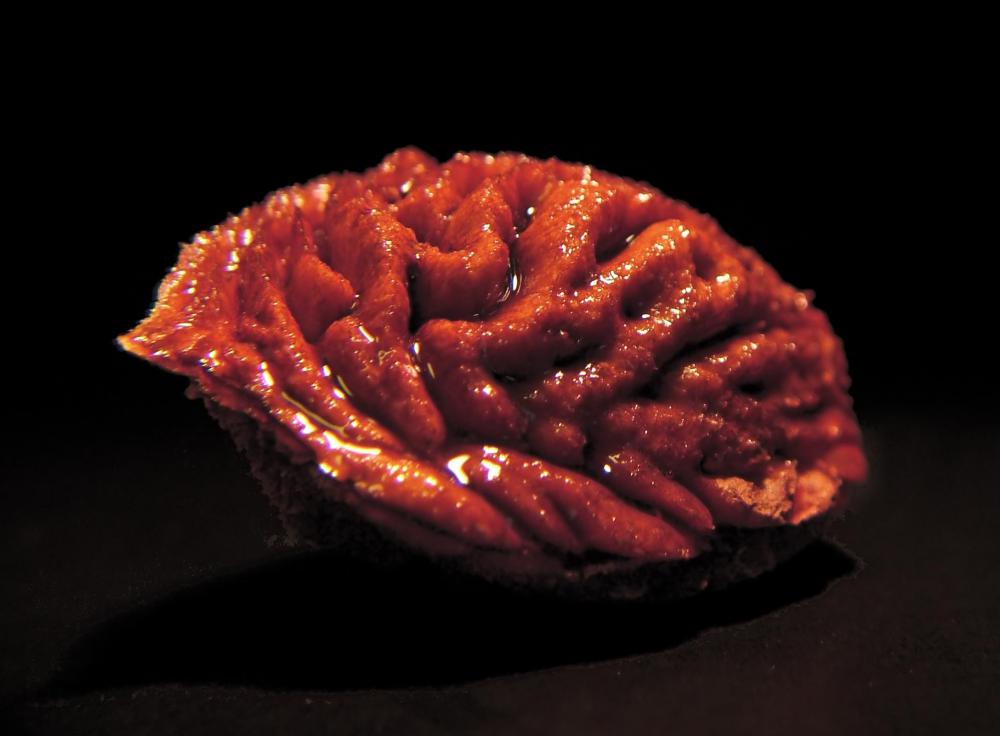
Cling peaches, characterized by their stones that tenaciously adhere to the fruit's flesh, present a unique challenge for consumers and processors alike. According to the University of Georgia Extension, clingstone peaches are predominantly utilized in the canning industry due to their firmer texture and higher sugar content, which helps them maintain structure and flavor after processing.
While fresh consumption of cling peaches is less common, their use in preserves and jams remains popular. The California Cling Peach Board reports that over 95% of the canned peaches in the United States are grown in California, as affirmed by the United States Trade Representative, showcasing the significance of cling peaches in the market. Despite their market presence, finding cling peaches in fresh produce aisles may be more challenging, as their pit removal process can deter consumers and retailers.

These peaches are often used for canning, because the slight distortion of the fruit made by the removal of the pit won't be noticed. Clingstone peaches, as they are also called, may be used in jams and preserves as well. It is less common to see people eating cling peaches out of hand, because the stubbornly clinging flesh can make them difficult to eat, and as a result, not all markets carry them.

Cling peaches tend to be less juicy than their freestone relatives, peaches with pits that readily come out when the peach is sliced in half. It is also possible to find a middle ground known as a semi-freestone peach, which combines traits of both varieties. The flavor of these peaches is quite varied, with some varieties tasting a bit flat, while others have a rich, concentrated peach flavor which can be quite enjoyable.

When working with cling peaches, you may develop a few tricks for getting the pit out with a minimum of fuss. It is important to remember that these peaches can bruise easily, and this will have a negative impact on the flavor and quality of the peach. The slightly lower moisture content in the peaches will also help them keep their shape when canned whole or in slices, with juicier peaches tending to melt as they are processed.

In addition to being used in canning and preserves, cling peaches can also be used in peach pies. Because they are less juicy, the result will be a less runny peach pie, which can be a pleasant benefit for cooks who struggle with watery peach pies. These peaches can also be used just like freestone peaches in fruit salad, tarts, and other dishes. If you're in the mood to grow cling peaches, your local garden store can order clingstone saplings for you.
FAQ on Cling Peaches
What are cling peaches and how do they differ from freestone peaches?
Cling peaches are a variety of peaches where the flesh adheres firmly to the pit, making it more challenging to separate the two. This contrasts with freestone peaches, where the flesh easily separates from the pit. Cling peaches are often smaller and sweeter with a more tender texture, which makes them ideal for canning and preserving. They are typically harvested from late spring through the end of summer.
How should I choose the best cling peaches for canning?
To choose the best cling peaches for canning, look for fruits that are firm to the touch with a slight give, indicating ripeness. The skin should be vibrant in color without any green tinges and free from bruises or blemishes. The aroma should be sweet and strong; a good indicator of flavor. It's important to use ripe but not overripe peaches for canning to ensure the best texture and taste.
Can cling peaches be eaten fresh or are they only good for canning?
Cling peaches can certainly be eaten fresh and are delicious when ripe. They are known for their sweet flavor and juicy texture, making them enjoyable as a raw snack. However, due to their flesh clinging to the pit, they are less convenient for fresh eating compared to freestone varieties. Despite this, many people enjoy cling peaches fresh, in salads, or as part of desserts.
What nutritional benefits do cling peaches provide?
Cling peaches offer several nutritional benefits. They are low in calories and contain no fat, making them a healthy snack option. They are also a good source of vitamins A and C, which are important for skin health and immune function. Additionally, peaches provide dietary fiber, which aids in digestion, and potassium, which is essential for heart health. Including cling peaches in your diet can contribute to overall well-being.
Are there any tips for preserving the quality of canned cling peaches?
To preserve the quality of canned cling peaches, it's crucial to start with high-quality, ripe fruit. Use a light syrup or fruit juice to can the peaches, as heavy syrups can overpower their natural sweetness. Ensure jars and lids are sterilized to prevent contamination. Process the cans in a water bath canner for the time recommended by USDA guidelines, and store the sealed jars in a cool, dark place to maintain flavor and prevent spoilage.
Mary McMahon
Ever since she began contributing to the site several years ago, Mary has embraced the exciting challenge of being a DelightedCooking researcher and writer. Mary has a liberal arts degree from Goddard College and spends her free time reading, cooking, and exploring the great outdoors.
Learn more...
Mary McMahon
Ever since she began contributing to the site several years ago, Mary has embraced the exciting challenge of being a DelightedCooking researcher and writer. Mary has a liberal arts degree from Goddard College and spends her free time reading, cooking, and exploring the great outdoors.
Learn more...AS FEATURED ON:
AS FEATURED ON:


-
![Peaches can be freestone or clingstone fruit.]() By: Anna KucherovaPeaches can be freestone or clingstone fruit.
By: Anna KucherovaPeaches can be freestone or clingstone fruit. -
![Cling peach pits tend to be tough to remove from the fruit.]() By: Jeffrey CollingwoodCling peach pits tend to be tough to remove from the fruit.
By: Jeffrey CollingwoodCling peach pits tend to be tough to remove from the fruit. -
![Cling peaches are often used in jams and preserves.]() By: Szasz-Fabian ErikaCling peaches are often used in jams and preserves.
By: Szasz-Fabian ErikaCling peaches are often used in jams and preserves. -
![Cling peaches may be included in fruit salads and other dishes.]() By: bercCling peaches may be included in fruit salads and other dishes.
By: bercCling peaches may be included in fruit salads and other dishes.



Discussion Comments
@Ocelot60-- If you live in a zone that's suitable for growing peaches, why would you want to grow cling peaches? Most people want to avoid these. They don't taste as good, they're not juicy and they're difficult to use.
If I was up to the task of growing peaches, I'd definitely want to grow Redhaven or Loring. Both are freestone peaches. They're also sweet, soft and grow to a nice size. You can eat these fresh, or freeze or can them. Redhaven is usually what most of us buy from the grocery store. They're the best peaches as far as I'm concerned.
My mom makes really great peach chutney with cling peaches. She actually doesn't bother with the stones until after she's cooked them. As they boil and simmer for a long time, the peaches fall apart which makes it very easy to get the stones out before canning.
So if anyone is stuck with cling peaches and doesn't know what to do with them, I highly recommend making chutney with them. Those who don't like chutney can also make peach puree to freeze and use later in desserts, or jam for breakfast. But it's a good idea to use sweet and flavorful cling peaches for any of these purposes. Bland cling peaches will also make bland purees and jams which is not desirable.
We buy cling peaches all the time. They are more difficult to eat but I can usually get around that by cutting around the stone. I think that these variety of peaches are this way because they are much firmer than other types of peaches. So they are difficult to bite into as well. But they can be eaten when cut and sliced. They also work just fine in smoothies. I've used them that way before. Of course, the other popular option like the article described is canning them.
@ocelot60- The problem with growing peach trees is that they are very prone to developing different tree diseases. When you have peach trees, you have to make sure that you are aware of potential problems, like dead limbs and browning leaves. Noticing these issues is the key to treating them early so the trees don't die.
Peach trees also don't produce much fruit every year. When it comes to young trees, you may have to prune the blossoms for a few years to get a good crop of peaches.
Is it easy to grow cling peaches? I do a lot of home canning and preserving, and I also like to grow my own fruits and vegetables. I've been considering adding cling peach trees to my garden, but I am not very familiar with caring for them.
@Bgirl - I agree! I'd much rather eat a freestone peach than "cling-free peach". I like "clingstone peaches" better than "cling peaches", too.
I was wondering halfway through what non-cling peaches are called! I think "freestone" is a much better name than anything I would have come up with.
Post your comments