
At DelightedCooking, we're committed to delivering accurate, trustworthy information. Our expert-authored content is rigorously fact-checked and sourced from credible authorities. Discover how we uphold the highest standards in providing you with reliable knowledge.
What are Chives?
 Mary Elizabeth
Mary Elizabeth
Mary Elizabeth
An herb is a plant whose leaves, seeds, or flowers are used for flavoring food or in medicine. Other uses of herbs include cosmetics, dyes, and perfumes. The name derives from the Latin herba, meaning "green crops." Chives, Allium schoenoprasum, are from the Alliaceae family, like their close relatives garlic, leek, and onions. While the plant may be called a "chive plant," the herb is invariably referred to in the plural.
History
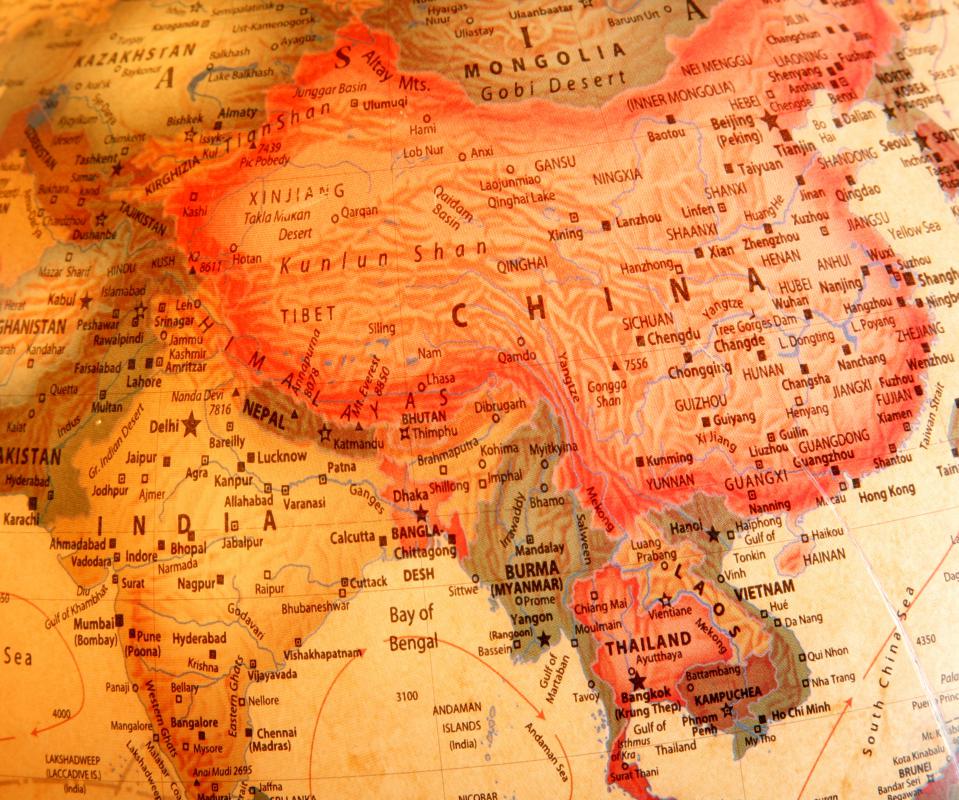
The Ancient Chinese have used chives for thousands of years, and they were reportedly brought to Europe from China by Marco Polo.
Description

Chives are long, thin leaves that grow from 6-20 inches long (15-50 cm.). Some species' leaves are flat, while others are tubular. They resemble green onions or scallions, but are thinner. There are several related species, including Siberian and garlic chives. The flowers are lavender on most plants, and white on the garlic chive plant.
Gardening
Hardy perennials, chives they can be grown from seed, although it takes a long time before they're ready for harvest. Experts often recommend growers simply divide an existing clump. The plant should be deadheaded and they are best harvested by cutting close to the ground. In other words, do not pull up the plant. They prefer sun and well-drained soil.
Food and Other Uses

Chives lose their flavor when cooked for any length of time, so they are primarily used raw as a garnish, usually chopped, for example, on baked potatoes with sour cream. They may also be added to a dish such as stir-fry for the last few minutes of cooking, or used to flavor butter, oil, and vinegar.
Preservation
These herbs do not dry well, but they can be chopped and frozen. Some people simply bring a pot indoors in the winter, and use them fresh year around.
Mary Elizabeth
Mary Elizabeth is passionate about reading, writing, and research, and has a penchant for correcting misinformation on the Internet. In addition to contributing articles to DelightedCooking about art, literature, and music, Mary Elizabeth is a teacher, composer, and author. She has a B.A. from the University of Chicago’s writing program and an M.A. from the University of Vermont, and she has written books, study guides, and teacher materials on language and literature, as well as music composition content for Sibelius Software.
Learn more...
Mary Elizabeth
Mary Elizabeth is passionate about reading, writing, and research, and has a penchant for correcting misinformation on the Internet. In addition to contributing articles to DelightedCooking about art, literature, and music, Mary Elizabeth is a teacher, composer, and author. She has a B.A. from the University of Chicago’s writing program and an M.A. from the University of Vermont, and she has written books, study guides, and teacher materials on language and literature, as well as music composition content for Sibelius Software.
Learn more...AS FEATURED ON:
AS FEATURED ON:


-
![Explorer Marco Polo is credited with bringing chives to Europe from China.]() By: JuulijsExplorer Marco Polo is credited with bringing chives to Europe from China.
By: JuulijsExplorer Marco Polo is credited with bringing chives to Europe from China. -
![Chives were grown in China for thousands of years before being introduced to Europe.]() By: Elena KovalevaChives were grown in China for thousands of years before being introduced to Europe.
By: Elena KovalevaChives were grown in China for thousands of years before being introduced to Europe. -
![Chive plants are from the Alliaceae family, which also includes onions and garlic.]() By: MSPhotographicChive plants are from the Alliaceae family, which also includes onions and garlic.
By: MSPhotographicChive plants are from the Alliaceae family, which also includes onions and garlic. -
![Flavorful chives and onions are often added to Chinese stir-fries.]() By: Periwinkle StudioFlavorful chives and onions are often added to Chinese stir-fries.
By: Periwinkle StudioFlavorful chives and onions are often added to Chinese stir-fries. -
![Chives are commonly used in a wide variety of Asian dishes.]() By: seksanwangjaisukChives are commonly used in a wide variety of Asian dishes.
By: seksanwangjaisukChives are commonly used in a wide variety of Asian dishes.



Discussion Comments
I have an amazing baked potato salad recipe with chives that my family loves. It's really simple too. I just boil some potatoes and then peel and cut them into cubes. It's all right if they mash a little in the process. Line them up on a baking tray and spread butter, organic chives and any other spices that you want. Paprika, salt and garlic powder are good additions. The chives can be fresh or dry, both work just fine. You can also add some grated cheese if you want. For the final touch, I bake them in the oven for 15-20 minutes. It's so delicious. Kids love them.
I asked my neighbor for a small part of the chive plants in her garden to plant myself. They multiplied and now take up a nice portion of my herb garden. Some of my friends came to visit during the bloom season and couldn't believe that the plants were chives because they have these gorgeous purple flowers. They were even more surprised when I tossed some of the flowers in my garden salad. Chives are such a great herb for growing at home. I take some of it and plant it in pots during the winter and we continue eating them fresh in the winter also. There is another kind of chives called garlic chives and I'm planning on getting some seeds and harvesting garlic chives too. I read that they have white blossoms. It would be such a beautiful addition to the garden.
There are some good combinations of vegetables to consider when planting a garden. Chives for instance are good companions to carrots and tomatoes.
Post your comments