
At WiseGEEK, we're committed to delivering accurate, trustworthy information. Our expert-authored content is rigorously fact-checked and sourced from credible authorities. Discover how we uphold the highest standards in providing you with reliable knowledge.
What are Central Nervous System Stimulants?
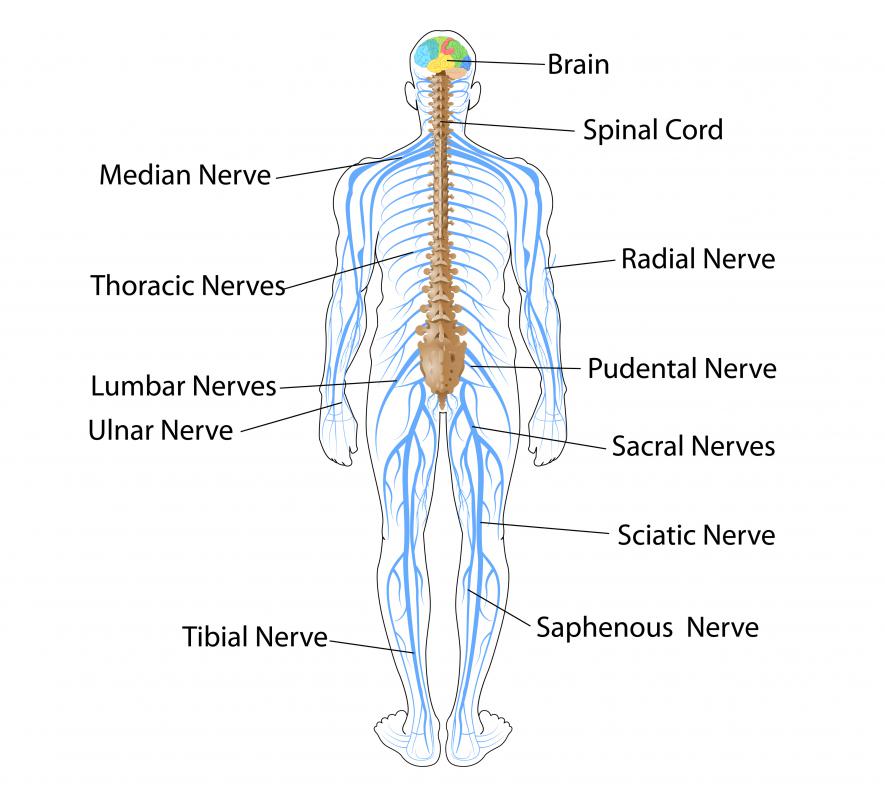
The central nervous system (CNS) controls the functioning of the entire body. Central nervous system stimulants are drugs or substances that stimulate or excite the central nervous system, giving the user increased energy, elevated mood, and increased alertness. Some stimulants, such as caffeine and ginseng, are available over-the-counter. Others, such as amphetamines, are available by prescription, and still others, such as cocaine, are not approved for legal use in some countries. Stimulants can increase heart rate, blood pressure, and body temperature.
Caffeine, a substance commonly found in coffee, tea, and many sodas, is one of the most common CNS stimulants. The effects of caffeine are typical of most stimulants: a user can feel more awake, more energetic, and may have an increased ability to concentrate. A high intake of caffeine, however, can over-stimulate the central nervous system, producing fatigue, shakiness, and difficulty concentrating.

There are a wide variety of psychoactive drugs that act as powerful central nervous system stimulants as well. Examples of these stimulants, or "uppers," are cocaine, methamphetamine, ecstasy, and amphetamines. These substances are generally not approved for legal use and are considered illegal, recreational drugs. Stimulants can be snorted through the nose, smoked, swallowed, or injected directly into the bloodstream. The method of use depends on the specific drug. Cocaine, for example, is commonly in a powder form that is snorted through the nose, while ecstasy is typically swallowed in pill form.

Some amphetamines are available in prescription form and have a medically therapeutic application. These prescription medications, such as methylphenidate (Ritalin®), are often used to treat attention deficit hyperactivity disorder (ADHD). When taken in carefully regulated doses, these drugs act on the nervous system to make patients more alert and better able to focus. Recreational use of such drugs is strongly discouraged as they can be habit forming, and an overdose can cause vomiting, seizures and loss of consciousness. If a patient experiences any of these symptoms, even if taking a prescribed dose, he or she should be taken to an emergency room immediately.

Central nervous system stimulants typically act quickly on the brain, causing the release of large amounts of the chemical dopamine, which produces a feeling of pleasure. This surge of dopamine will often cause euphoria and intense pleasure, but can also create anxiety and restlessness. Stimulants are different from depressants and hallucinogens, both of which create an altered mood through chemical reactions with a brain chemical, or neurotransmitter, called serotonin.
AS FEATURED ON:
AS FEATURED ON:









-
![Ecstasy, a popular club drug, acts as a powerful central nervous system stimulant.]() By: xixinxingEcstasy, a popular club drug, acts as a powerful central nervous system stimulant.
By: xixinxingEcstasy, a popular club drug, acts as a powerful central nervous system stimulant. -
![Ginseng root is a natural stimulant sold as a health supplement.]() By: Maxim LavrovGinseng root is a natural stimulant sold as a health supplement.
By: Maxim LavrovGinseng root is a natural stimulant sold as a health supplement. -
![Caffeinated coffee is a commonly consumed stimulant.]() By: amenic181Caffeinated coffee is a commonly consumed stimulant.
By: amenic181Caffeinated coffee is a commonly consumed stimulant. -
![Cocaine affects the levels of dopamine in the brain.]() By: Lisa F. YoungCocaine affects the levels of dopamine in the brain.
By: Lisa F. YoungCocaine affects the levels of dopamine in the brain. -
![The central nervous system, which consists of the brain and spinal cord, receives and transmits signals to the nerves in the peripheral nervous system, which is composed of the nerves in the organs and muscles of the body.]() By: snapgalleriaThe central nervous system, which consists of the brain and spinal cord, receives and transmits signals to the nerves in the peripheral nervous system, which is composed of the nerves in the organs and muscles of the body.
By: snapgalleriaThe central nervous system, which consists of the brain and spinal cord, receives and transmits signals to the nerves in the peripheral nervous system, which is composed of the nerves in the organs and muscles of the body.




Discuss this Article
Post your comments