
At TheHealthBoard, we're committed to delivering accurate, trustworthy information. Our expert-authored content is rigorously fact-checked and sourced from credible authorities. Discover how we uphold the highest standards in providing you with reliable knowledge.
What are Bone Spurs?
 Michael Pollick
Michael Pollick
Michael Pollick
Every so often, your body's attempt at a repair can be worse than the damage itself. Such is the case with a condition known as bone spurs, or osteophytes. They are abnormal growths generally found in arthritic or damaged bones, especially around joints or tendons. When the body senses deterioration in a bone, regardless of the cause, it often creates extra bone tissue to strengthen the area. This extra material hardens to form spurs, which can interfere with a joint's natural range of motion or pinch nerves surrounding the bone.
Many adults live with undiagnosed bone spurs every day and have few if any medical problems. Sometimes an aging body will generate them in an effort to provide more stability to weakening joints and limbs. These osteophytes may be noticed as small lumps under the skin, or they may cause clicking noises in affected joints. The elbows, spine, knees, shoulders and ankles are especially prone to the formation of spurs, although any bone in the body can develop them.

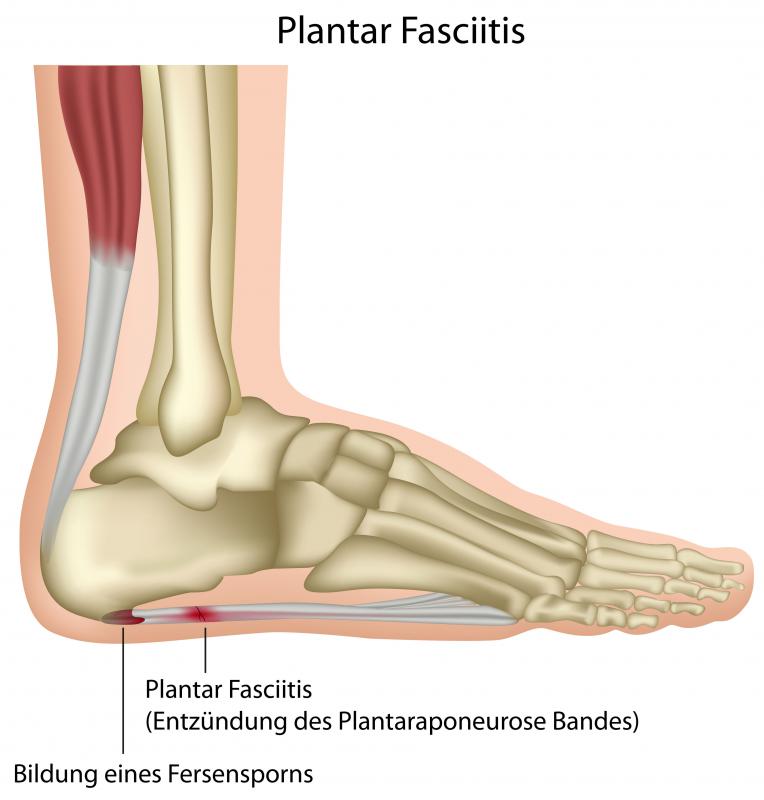
One common ailment caused by the formation of bone spurs occurs in the ankle bone. The body often creates them in the ankle to create a more stable platform for walking. These growths can interfere with the natural walking gait, putting more pressure on the bone and inflaming the nerves and tendons attached to it. The result is a medical condition known as plantar fasciitis. Sufferers are urged to rest and take non-steroidal anti-inflammatory drugs to reduce the pain of bearing weight on the ankle.

Bone spurs are also commonly found between individual vertebrae. Osteoarthritis sufferers often lose flexibility in their spines as the condition destroys the cartilage between vertebrae. The body attempts to limit the damage by creating spurs on the ends of each vertebra. The result is similar to forcing two mismatched puzzle pieces together. The bone spurs rub against the nerves, cartilage and vertebrae, causing significant pain and even more loss of mobility. The solution is often to surgically remove these pieces of bone and replace the damaged cartilage disks.

Spurs of bone can also break off into smaller pieces and lodge themselves deep inside joints. If they reach certain critical areas of the joints, they can be the equivalent of spikes driven into the cogs of machinery. This often happens with knee or shoulder injuries caused by trauma. The original surgery to correct the joint will be successful, but the pieces of bone can break off and infiltrate the joint again. Another procedure to remove these bone spurs may have to be performed. This can be done through open surgery or with the use of minimally-invasive arthroscopic tools.
Michael Pollick
A regular TheHealthBoard contributor, Michael enjoys doing research in order to satisfy his wide-ranging curiosity about a variety of arcane topics. Before becoming a professional writer, Michael worked as an English tutor, poet, voice-over artist, and DJ.
Learn more...
Michael Pollick
A regular TheHealthBoard contributor, Michael enjoys doing research in order to satisfy his wide-ranging curiosity about a variety of arcane topics. Before becoming a professional writer, Michael worked as an English tutor, poet, voice-over artist, and DJ.
Learn more...AS FEATURED ON:
AS FEATURED ON:


-
![Bone spurs often occur in elbows and other joints, causing discomfort and pain.]() By: lightwavemediaBone spurs often occur in elbows and other joints, causing discomfort and pain.
By: lightwavemediaBone spurs often occur in elbows and other joints, causing discomfort and pain. -
![An illustration of a healthy spine and one with spinal osteoarthritis, showing where bone spurs can develop.]() By: peterjunaidyAn illustration of a healthy spine and one with spinal osteoarthritis, showing where bone spurs can develop.
By: peterjunaidyAn illustration of a healthy spine and one with spinal osteoarthritis, showing where bone spurs can develop. -
![Bone spurs can occur in the ankle bone, and the result is a medical condition known as plantar fasciitis.]() By: bilderzwergBone spurs can occur in the ankle bone, and the result is a medical condition known as plantar fasciitis.
By: bilderzwergBone spurs can occur in the ankle bone, and the result is a medical condition known as plantar fasciitis. -
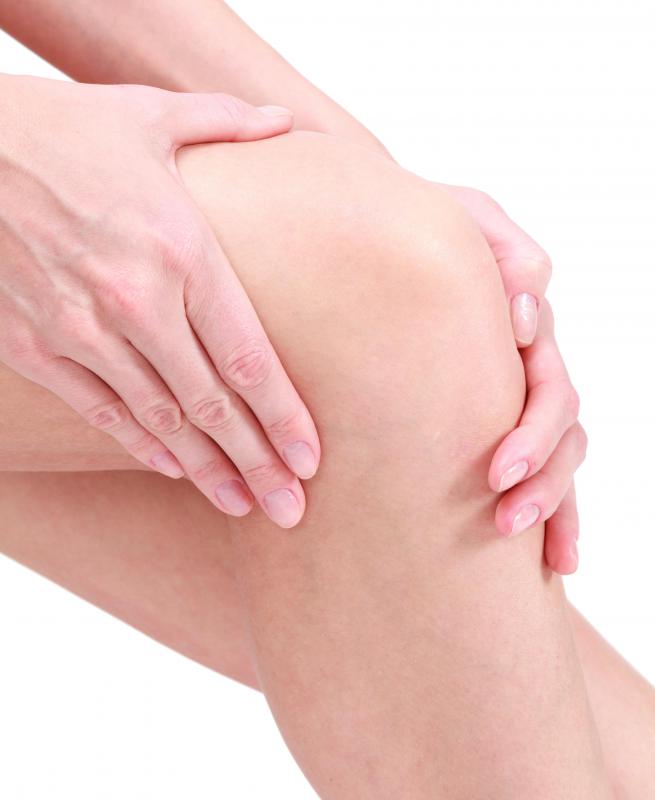
![Knee pain may be associated with bone spurs.]() By: NobiliorKnee pain may be associated with bone spurs.
By: NobiliorKnee pain may be associated with bone spurs. -
![Surgery and physical therapy may be necessary to improve mobility lost to osteoarthritis-related bone spurs.]() By: CandyBox ImagesSurgery and physical therapy may be necessary to improve mobility lost to osteoarthritis-related bone spurs.
By: CandyBox ImagesSurgery and physical therapy may be necessary to improve mobility lost to osteoarthritis-related bone spurs.



Discussion Comments
I didn't have any knee pain until I was hit with blunt force trauma to the knee and now the x ray shows a bone spur. Can blunt force trauma cause a bone spur?
I've just come from the chiropractor and after seeing my x-rays he could see the spurs (three) which have been causing a great deal of pain. With the correct adjustments and some continued further adjustments on a regular basis - I'm pain free.
A good chiropractor. He will release the locked joints and vertebrae which will open up nerve flow and promote natural healing without surgery or drugs.
is there any difference between spur & osteophytes?
if someone doesn't have the money to pay for the corrective surgery, what can this person do in order to lessen or even eliminate the pain that comes with having a bone spur?
Post your comments