
At TheHealthBoard, we're committed to delivering accurate, trustworthy information. Our expert-authored content is rigorously fact-checked and sourced from credible authorities. Discover how we uphold the highest standards in providing you with reliable knowledge.
What are Bone Cells?
Three distinct types of bone cells are present in bone tissue, each with their own crucial function. Working together, osteoblasts, osteoclasts, and osteocytes are responsible for the proper development and maintenance of the skeleton, as well as regulating levels of minerals present in the bloodstream and throughout the body. Two related types of cells, lining cells and osteogenic cells, are derived from osteoblasts but have their own key functions for proper bone health.
Osteoblasts

The cells responsible for the creation of new bone tissue are the osteoblasts. They are created in the marrow of the bone, which is the soft inner area containing the stem cells that also produce red and white blood cells. Working collectively, osteoblasts create a type of bone tissue called osteoid primarily from collagen, which is then mineralized. This means that calcium and other minerals adhere to the tissue, making the bone cells strong.

Although osteoblasts are essential in forming bones when a fetus is developing in the womb and as a child grows, these bone cells don't stop working even once a person has reached adulthood. Bones are constantly being broken down and built back up, with about 4% of all bone surfaces having active osteoblast activity at any time. This process is called remodeling. The regular development of new tissue allows bones to repair breaks or other injuries and change in response to the body's needs. In addition, the bones are subjected to stress through everyday use, and develop tiny microfractures that are constantly being fixed.

Once bone tissue has been broken down and built back up again, most of the osteoblast bone cells are squeezed flat and no longer produce new tissue. They become lining cells and are used to help protect the underlying bone matrix. Lining cells are also key in regulating levels of minerals such as calcium and phosphate, allowing these substances to pass into and out of the bones as needed.
Osteoclasts

Osteoclasts are large bone cells formed in the marrow of the bone. Similar in structure to white blood cells, they are responsible for breaking down bone tissue, which is required for bone growth and healing. They start out as smaller cells called osteoclast precursors, but fuse together into osteoclasts with multiple nuclei when they find places on the bone that need to be broken down, a process called resorption.

Although the number of osteoclast cells is relatively small, they are vital not only for the formation of new bone but also for helping to regulate minerals in the bloodstream. As these cells break down bone, they release calcium and phosphate into the blood, where these minerals play an important role in many biochemical processes. Osteoclasts are also involved in the development of red blood cells in the bone marrow.
Research also suggests that osteoclasts have immune receptors, and that there are close ties between the immune and skeletal systems. Exactly how the two interact is still being studied, although studies on autoimmune diseases like rheumatoid arthritis show how the immune system can affect bone resportion. Osteoclasts are linked to other diseases as well; when they break down bone faster than it can be rebuilt, for example, osteoporosis is the result.
Osteocytes
After the new bone tissue has been built, those osteoblasts that don't become lining cells remain deep in the bone matrix and become osteocytes, cells with long branches through the bone tissue that form a network. Osteocytes function as a control center, directing mineral deposits and sending osteoclasts to start repairing damage to the bone tissue as needed. They also are responsible for signalling the release of minerals such as calcium into the bloodstream to maintain good health.
Osteocytes are the most common of the bone cells, and they can live for decades. Some are programmed to die naturally, but conditions like osteoarthritis and osteoporosis are linked with an increased level of cell death. In other words, when a higher number of osteocytes die, the bones become weaker.
Precursors
Most bone cells are unable to divide and cannot reproduce. Osteogenic cells are bone cells capable of creating new osteoblasts and osteoclasts. They are located in the periosteum, which is the tissue surrounding the bone, and the bone marrow. An injury such as a fracture triggers cell production by the osteogenic cells, creating new osteoblasts and osteocytes to repair the damage as quickly as possible.
AS FEATURED ON:
AS FEATURED ON:


-
![Osteoblasts, osteoclasts, and osteocytes aid in the proper development and maintenance of the human skeleton.]() By: 7activestudioOsteoblasts, osteoclasts, and osteocytes aid in the proper development and maintenance of the human skeleton.
By: 7activestudioOsteoblasts, osteoclasts, and osteocytes aid in the proper development and maintenance of the human skeleton. -
![A diagram of the anatomy of a bone.]() By: AlilaA diagram of the anatomy of a bone.
By: AlilaA diagram of the anatomy of a bone. -
![Osteoclasts are cells that break down old bone cells to make way for osteoblasts to stimulate new bone growth.]() By: andreaxtOsteoclasts are cells that break down old bone cells to make way for osteoblasts to stimulate new bone growth.
By: andreaxtOsteoclasts are cells that break down old bone cells to make way for osteoblasts to stimulate new bone growth. -
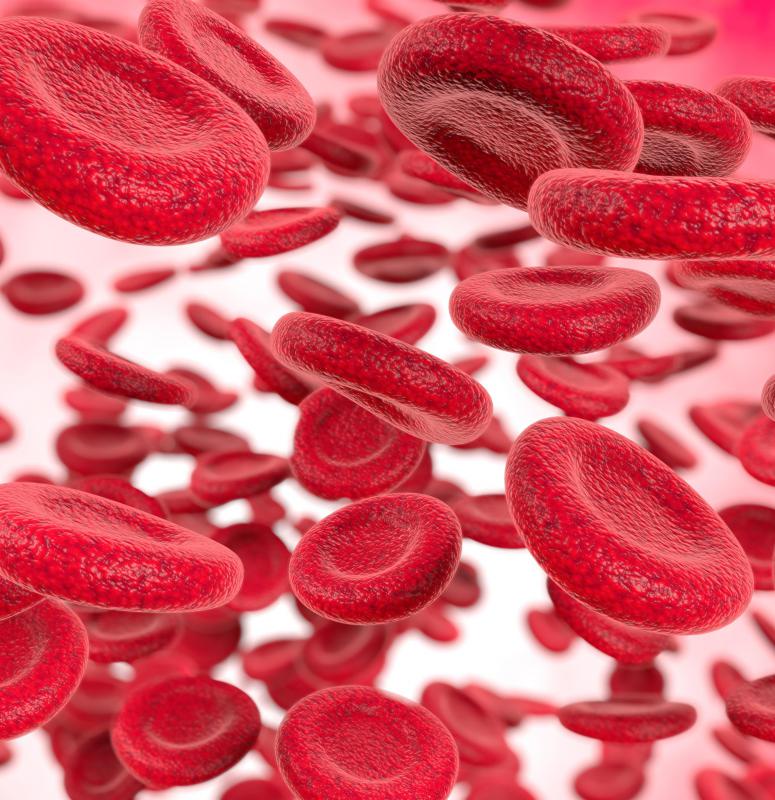
![Stem cells can produce red blood cells.]() By: ag visuellStem cells can produce red blood cells.
By: ag visuellStem cells can produce red blood cells. -
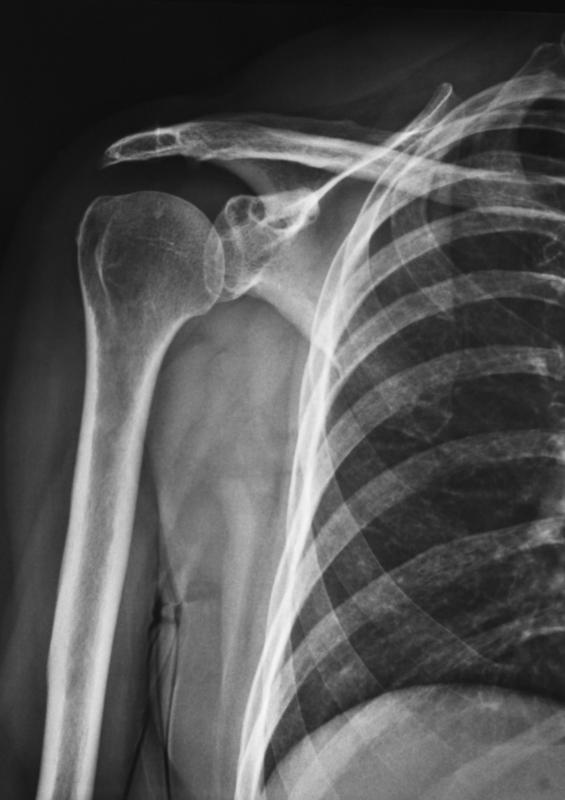
![Degenerative osteoarthritis is associated with an increased level of cell death.]() By: Lisa F. YoungDegenerative osteoarthritis is associated with an increased level of cell death.
By: Lisa F. YoungDegenerative osteoarthritis is associated with an increased level of cell death.



Discussion Comments
I was wondering what tissue out of the four: epithilial, connective, nervous, or muscle tissue could make a bone rubbery? I was thinking it could be epithilial or muscle tissue. What do you think and why. And also how do you think the bone cells connect to each other?
@Smokve - I remember that one too. Great minds must think alike. I remember osteoclasts as bone destroying cells because "clasts" makes me think of cataclysm.
My biology teacher told us that the best way to remember "osteblasts" was to remember that they "blast" together collagen and calcium to make bone. I never forget that trick until today!
Post your comments