
At DelightedCooking, we're committed to delivering accurate, trustworthy information. Our expert-authored content is rigorously fact-checked and sourced from credible authorities. Discover how we uphold the highest standards in providing you with reliable knowledge.
What are Bean Sprouts?
 Mary McMahon
Mary McMahon
Mary McMahon
Bean sprouts are the tender edible shoots of germinated beans. Most people are familiar with mung bean sprouts in particular, but a wide assortment of seeds, nuts, grains, and beans can be sprouted. Their slightly crunchy texture and sweet flavor makes them a popular addition to an assortment of dishes. Because sprouts have become a common ingredient, many grocery stores carry them, and they can also be prepared at home.
Mung bean sprouts originate in Asia, where they have been made and used for thousands of years. Cultural diffusion led to the appearance of sprouts in other places and in other cuisines, and intrepid cooks began sprouting all sorts of things to add to their food. In most cases, they can be used raw or lightly cooked, and they should be used as quickly as possible. If they are going to be cooked, they can be frozen for up to three months.

To sprout beans, soak them in water and then place them in a warm dark place to stimulate germination. The sprouts should be regularly rinsed as they grow, and within a few days, small edible shoots should have begun to appear. These shoots must always washed before use, and they are typically used while they are still short. Longer sprouts tend to get more woody and bitter. Exposing the sprouts to sunlight will cause them to start photosynthesizing, which will make them pale green.

Many things can be sprouted. Alfalfa seeds, radishes, adzuki beans, lentils, peas, garbanzos, grains, sunflower seeds, quinoa, and an assortment of other seeds and grains are all sprouted for a variety of uses. Each type of sprout has a slightly different flavor, and some sprouts are allowed to grow into larger “baby greens.” Sunflower seeds make a popular baby green. Sprouts are high in vitamin A and low in calories. Depending on the plant, the sprouts may have additional nutritional benefits.

When selecting bean sprouts in the grocery store, look for plump, crisp specimens which are not slimy, limp, or stringy. Use them within two days, and make sure to rinse them before use. Sprouts are a common source of bacterial contamination, so get into the habit of rinsing any type of sprouts before eating them.
Mary McMahon
Ever since she began contributing to the site several years ago, Mary has embraced the exciting challenge of being a DelightedCooking researcher and writer. Mary has a liberal arts degree from Goddard College and spends her free time reading, cooking, and exploring the great outdoors.
Learn more...
Mary McMahon
Ever since she began contributing to the site several years ago, Mary has embraced the exciting challenge of being a DelightedCooking researcher and writer. Mary has a liberal arts degree from Goddard College and spends her free time reading, cooking, and exploring the great outdoors.
Learn more...AS FEATURED ON:
AS FEATURED ON:


-
![Mung bean sprouts.]() By: rafchaMung bean sprouts.
By: rafchaMung bean sprouts. -
![Mung beans in the process of sprouting.]() By: RobinMung beans in the process of sprouting.
By: RobinMung beans in the process of sprouting. -
![Adzuki beans can be sprouted.]() By: Elena SchweitzerAdzuki beans can be sprouted.
By: Elena SchweitzerAdzuki beans can be sprouted. -
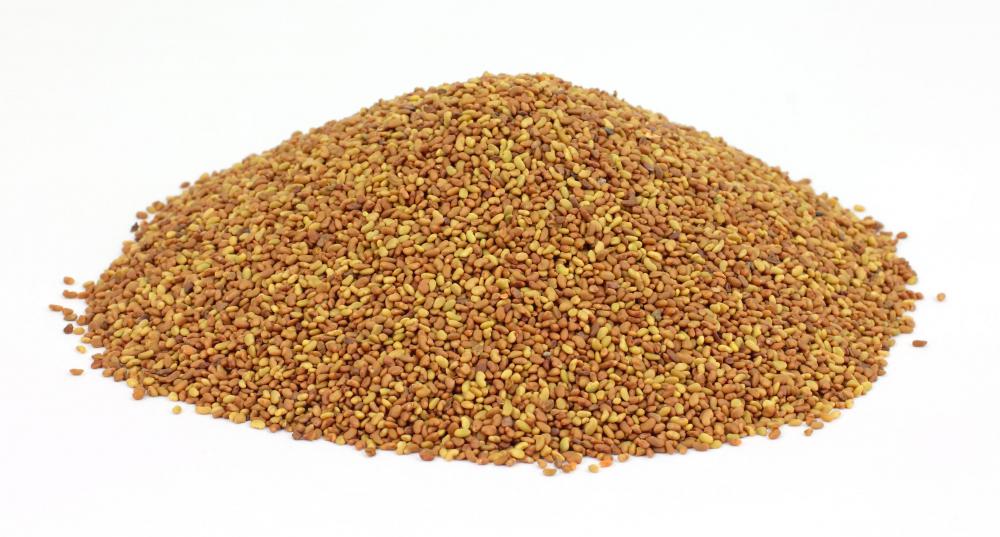
![Alfalfa seeds can be sprouted.]() By: Louella FolsomAlfalfa seeds can be sprouted.
By: Louella FolsomAlfalfa seeds can be sprouted. -
![Growing alfalfa sprouts makes a good supplement to the growing of bean sprouts.]() By: LevGrowing alfalfa sprouts makes a good supplement to the growing of bean sprouts.
By: LevGrowing alfalfa sprouts makes a good supplement to the growing of bean sprouts.



Discussion Comments
Are these beans, after the original submerged soaking, supposed to be covered in water for all subsequent steps?
do you also eat the beans or other seeds uncooked after sprouting?
@ Cougars- You can use your directions for making alfalfa sprouts to make all types of sprouts. The only difference is the amount of bean sprout seeds you use and the length of the sprouts when you harvest them.
You should sprout about a half cup of medium seeds, one cup of large seeds, and two cups of sunflower seeds. You should harvest mung beans when they are about two inches long, but you should harvest other seeds and grains when their sprout is just longer then the seed or grain you use.
Growing alfalfa bean sprouts at home is easy to do, and can be harvested in less than a week. All you need is alfalfa seed, a one-gallon wide-mouth glass jar, cheesecloth, and string.
Place about three tablespoons of alfalfa seeds in the bottom of the jar, cover with a few inches of cool water, and seal the jar with the cheesecloth and string. Soak the seeds overnight and drain in the morning. Fill with cool water and drain again, making sure you have drained all of the water from the jar. The cheesecloth should allow the water to drain without letting the seeds fall out.
Repeat this draining and rinsing process once in the morning and once in the evening for 4-6 days. The sprouts will be ready to eat once they are about an inch long and light green. Just make sure the jar is not stored in direct sunlight, or they will dry out too quickly.
Post your comments