
At TheHealthBoard, we're committed to delivering accurate, trustworthy information. Our expert-authored content is rigorously fact-checked and sourced from credible authorities. Discover how we uphold the highest standards in providing you with reliable knowledge.
What Are Antioxidants?
The prefix "anti" means against, in opposition to, or corrective in nature. In order to understand antioxidants, it helps to learn what exactly these agents oppose and correct.
Within the human body, millions of processes are occurring at all times. These processes require oxygen. Unfortunately, that same life giving oxygen can create harmful side effects, or oxidant substances, which cause cell damage and lead to chronic disease.

Oxidants, commonly known as "free radicals," are also introduced through external sources such as exposure to the sun or pollution. Other mediums include stress, as well as things that people put into their bodies, such as alcoholic beverages, unhealthy foods, and cigarette smoke.
In much the same way as oxidation creates rust, causing a breakdown on the surface of inanimate objects, oxidation inside the body causes a breakdown of cells. Free radicals produced by this breakdown attack healthy cells, usually DNA as well as proteins and fats. This chain of events weakens immunological functions as well as speeding up the aging process, and is also linked to several diseases such as cataracts, various forms of cancer, and heart disease. Some studies indicate possible links to arthritis and several other chronic conditions.
Antioxidants, or anti-oxidation agents, reduce the effect of dangerous oxidants by binding together with these harmful molecules, decreasing their destructive power. These agents can also help repair damage already sustained by cells.

Certain antioxidant enzymes are produced within the body. The most commonly recognized of these naturally occurring antioxidants are Superoxide Dismutase, Catalase, and Glutathione. Superoxide Dismutase changes the structure of oxidants and breaks them down into hydrogen peroxide. Catalase in turn, breaks down hydrogen peroxide into water and tiny oxygen particles or gasses. Glutathione is a detoxifying agent, which binds with different toxins to change their form so that they are able to leave the body as waste.

Other antioxidant agents are found in foods, such as dark green, leafy vegetables. Items high in vitamin A, vitamin C, vitamin E, and beta-carotene are believed to be the most beneficial. These nutrients are commonly found in fruits and vegetables, those with the strongest colors being healthiest. Orange and red peppers, tomatoes, spinach, and carrots are examples. Consuming antioxidant-rich Supergreens is another simple way to reset your system and start living a healthier life.
Choosing raw fruits and vegetables rather than cooked, provides the highest concentration and best absorption. Dietary supplements are also available for those that do not consume enough antioxidant-producing foods.
AS FEATURED ON:
AS FEATURED ON:


-
![Tomatoes are rich in vitamin C and other antioxidants.]() By: martinleeTomatoes are rich in vitamin C and other antioxidants.
By: martinleeTomatoes are rich in vitamin C and other antioxidants. -
![Carrots contain antioxidants.]() By: DionisveraCarrots contain antioxidants.
By: DionisveraCarrots contain antioxidants. -
![Vitamin C, which can be found in most citrus fruits, is an antioxidant vitamin.]() By: volffVitamin C, which can be found in most citrus fruits, is an antioxidant vitamin.
By: volffVitamin C, which can be found in most citrus fruits, is an antioxidant vitamin. -
![Antioxidants can help cigarette smokers detoxify their bloodstreams.]() By: Mr Korn FlakesAntioxidants can help cigarette smokers detoxify their bloodstreams.
By: Mr Korn FlakesAntioxidants can help cigarette smokers detoxify their bloodstreams. -
![Spinach is high in antioxidants.]() By: margo555Spinach is high in antioxidants.
By: margo555Spinach is high in antioxidants. -
![Blueberries are high in antioxidants.]() By: Lori L. StalteriBlueberries are high in antioxidants.
By: Lori L. StalteriBlueberries are high in antioxidants. -
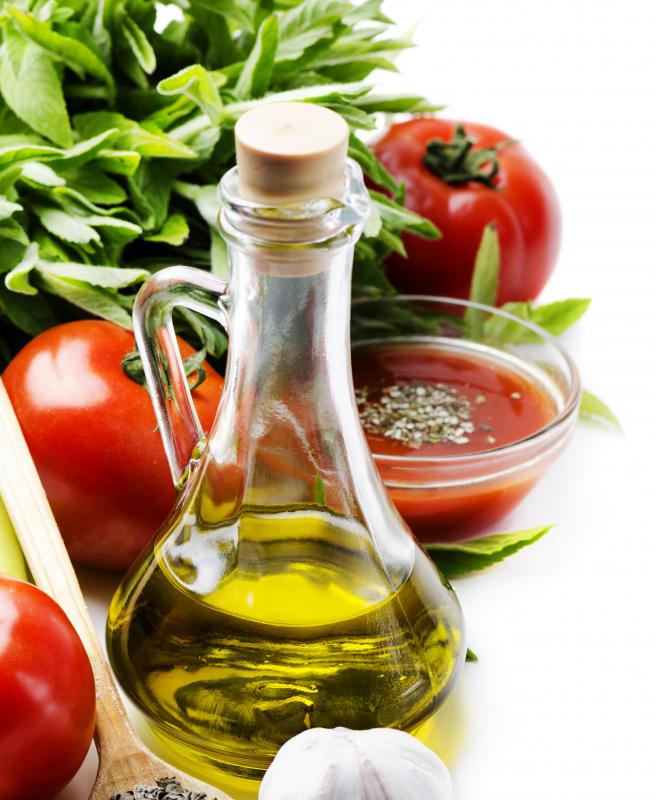
![Red tomatoes are packed with lycopene, a potent antioxidant that can help neutralize excess free radicals in the body.]() By: hitdelightRed tomatoes are packed with lycopene, a potent antioxidant that can help neutralize excess free radicals in the body.
By: hitdelightRed tomatoes are packed with lycopene, a potent antioxidant that can help neutralize excess free radicals in the body. -
![Dark purple berries, as well as blue and red berries, are high in antioxidants.]() By: Michael FlippoDark purple berries, as well as blue and red berries, are high in antioxidants.
By: Michael FlippoDark purple berries, as well as blue and red berries, are high in antioxidants. -
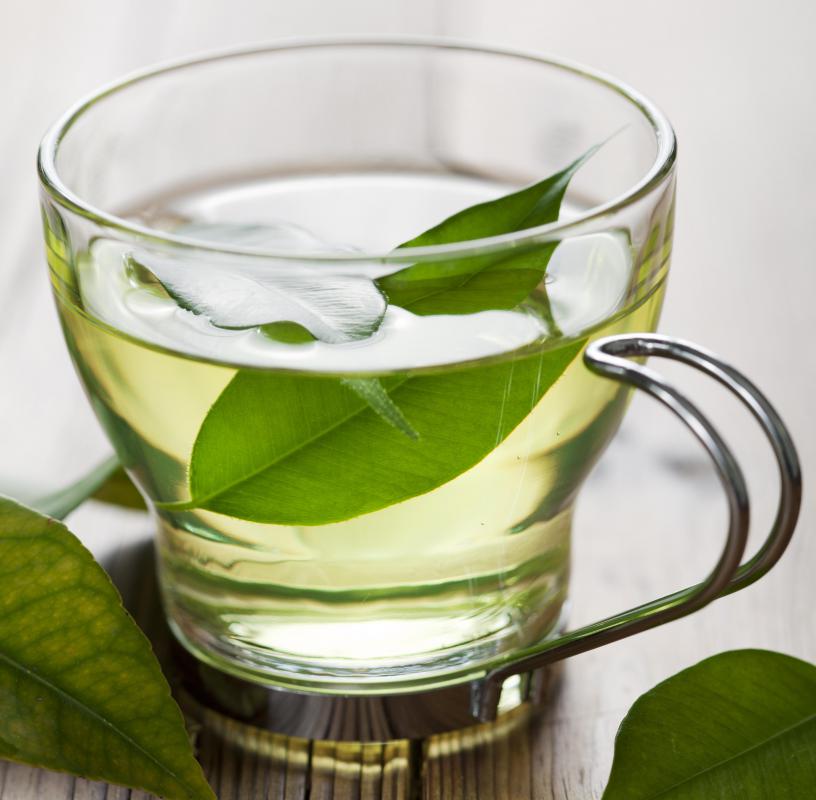
![Green tea, whether brewed or taken as a supplement, is packed with antioxidant polyphenols.]() By: Liv Friis-larsenGreen tea, whether brewed or taken as a supplement, is packed with antioxidant polyphenols.
By: Liv Friis-larsenGreen tea, whether brewed or taken as a supplement, is packed with antioxidant polyphenols.






Discussion Comments
Is melatonin an antioxidant?
Interesting and informative article. I've always tried to eat healthy, though I never knew to much about antioxidants. I then got talking to a friend who is something of a nutritional expert who is very enthusiastic about them. I did a little of my own research and came across a website that recommends a couple of antioxidant products which I then started using.
They really do work. I started to feel healthier and full of energy almost immediately. I found it easier to keep the weight off also. I would strongly recommend them to anyone.
what is the mode of action of polypherols in human body?
How and where can l buy the roasting oil with antioxidants? I am more interested in making potato crisps. Keep on teaching us about health.
use USANA's antioxidants. They are the best, in terms of bioavailability and pharmaceutical grade.
is green lemon tea good for you, as in antioxidants?
What is enzogenol & how is it's ORAC value compared to *grape seed extract*?
There are antioxidants in dark chocolate as well i believe. As well as cocoa phenol that help to lower blood pressure, it also contains monosaturated fat (olive oil) that is actually good for your health and body.
how would you account for the boiavailability of antioxidants
Post your comments