
At TheHealthBoard, we're committed to delivering accurate, trustworthy information. Our expert-authored content is rigorously fact-checked and sourced from credible authorities. Discover how we uphold the highest standards in providing you with reliable knowledge.
What are Antagonistic Muscles?
Antagonistic muscles are muscles that work in opposition to each other. For example, a person uses certain sets of muscles to open his hand and splay his fingers wide. In order to close the hand and make a fist, however, an antagonistic set of muscles would have to be used. These muscles are important for balance, extending limbs, holding objects aloft, and contracting limbs, among other things.
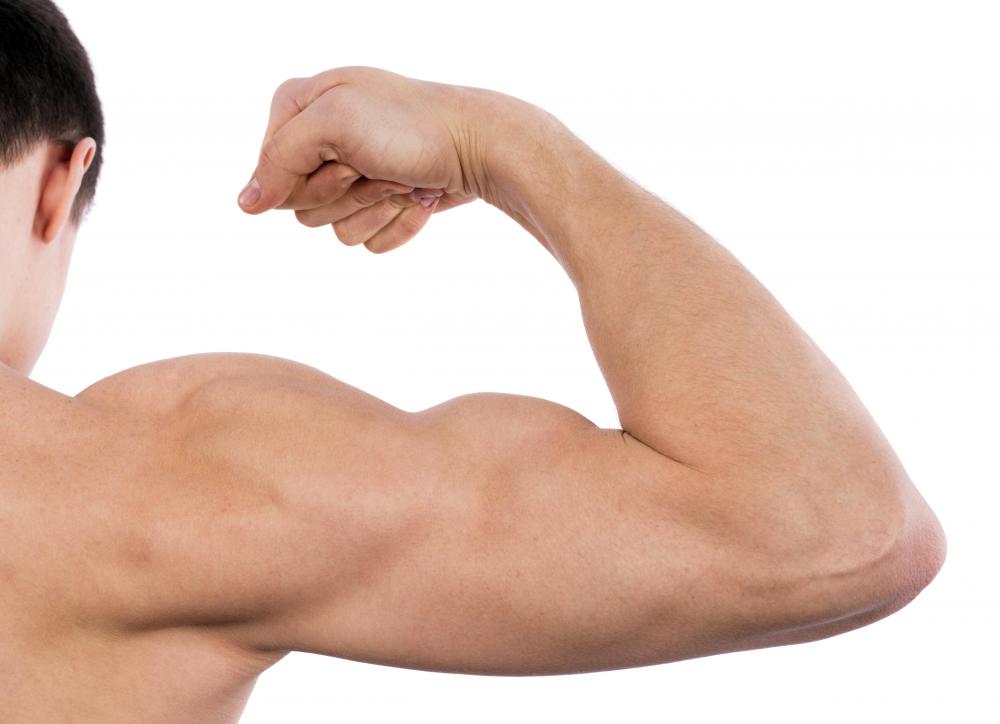
There are many groups of antagonistic muscles in the body. The most famous of these pairings is the biceps and the triceps on the arm. Additional sets include muscles in the chest and back of the torso, as well as the quadriceps and hamstrings of the leg.

These muscles are necessary for the body to function properly. Skeletal muscles can only tighten, or contract; in a sense, they can be compared to a rope tied around a rock that can only be pulled tight in one direction or allowed to go slack. In order for a body part to move in the opposite direction, an opposing group of muscles must be used. Returning to the rock metaphor, another rope must be tied to the opposite side of the rock and pulled taut if the object is to be moved in the opposite direction.

Dynamic tension exercises like those made famous by Charles Atlas sometimes use antagonistic muscle groups. In one exercise, hands are clasped in front of the chest and both arms push against each other. Slowly, the arms are allowed to move to the left, then slowly to the right. This exercise works the muscle groups, though on opposite arms at any given time.

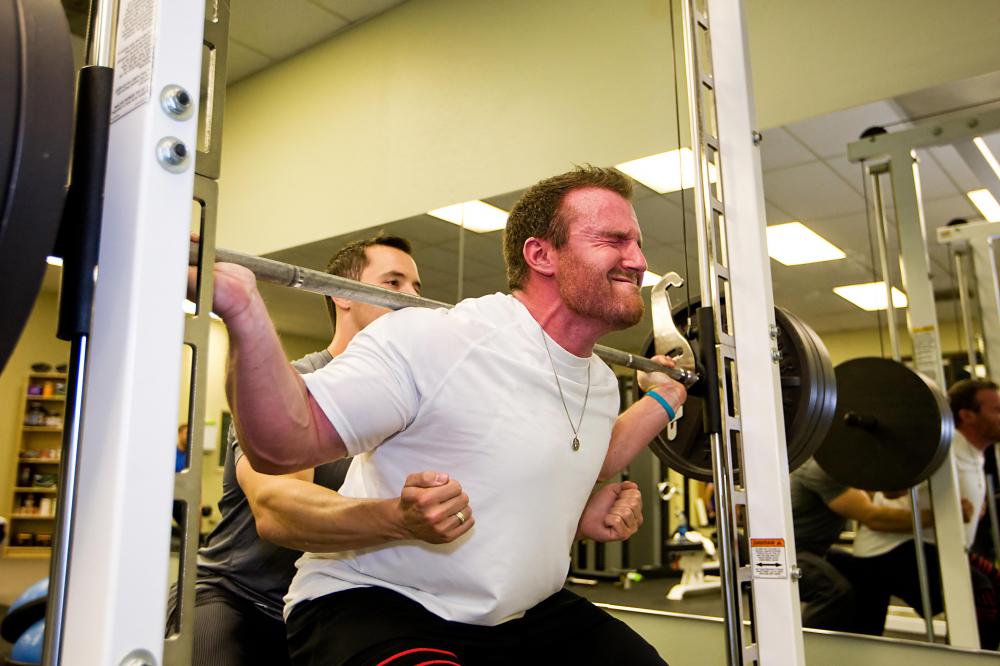
Weightlifters often debate the best way to train such muscle groups. Some believe that these muscles should be worked on in the same day in order to make significant gains in limited amounts of time. Other weightlifters believe that simply doing exercises slowly will work both muscles in an antagonistic group sufficiently; doing different exercises that individually target both muscles in the group will result in overtraining. Weightlifters from both schools of thought have done well in competition, leaving the question up for continued debate.
AS FEATURED ON:
AS FEATURED ON:


-
![One pairing of antagonistic muscles is the biceps and triceps.]() By: Sergey LavrentevOne pairing of antagonistic muscles is the biceps and triceps.
By: Sergey LavrentevOne pairing of antagonistic muscles is the biceps and triceps. -
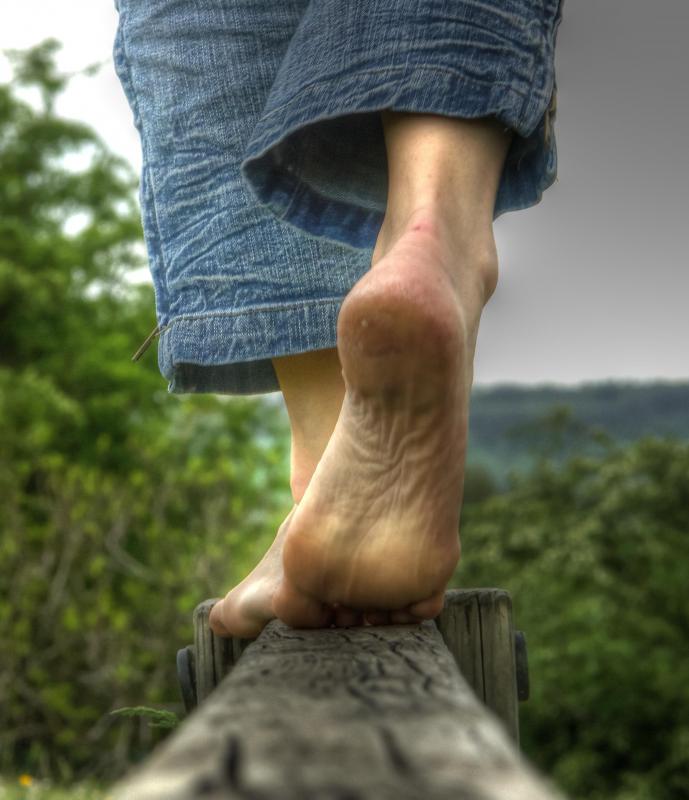
![Antagonistic muscles are necessary for balance, as well as extending and contracting limbs.]() By: minicel73Antagonistic muscles are necessary for balance, as well as extending and contracting limbs.
By: minicel73Antagonistic muscles are necessary for balance, as well as extending and contracting limbs. -
![An anatomical illustration showing many muscles in the upper body, including both antagonist and agonist muscles.]() By: mikiradicAn anatomical illustration showing many muscles in the upper body, including both antagonist and agonist muscles.
By: mikiradicAn anatomical illustration showing many muscles in the upper body, including both antagonist and agonist muscles. -
![Weightlifters often debate the best way to train antagonistic muscles.]() By: Mat HaywardWeightlifters often debate the best way to train antagonistic muscles.
By: Mat HaywardWeightlifters often debate the best way to train antagonistic muscles. -
![Groups of antagonistic muscles include muscles in the chest.]() By: leungchopanGroups of antagonistic muscles include muscles in the chest.
By: leungchopanGroups of antagonistic muscles include muscles in the chest.


Discussion Comments
Thanks for this info -- I am just putting together a unit on the different muscle groups for my kids for our next semester, and this was a really good overview. I will definitely be referencing this as I work on putting the rest of my information together.
Thanks!
I just started working with a personal trainer and she keeps telling me all about my antagonistic muscles and how important it is to keep them fit. All I know is that they really do feel "antagonistic" after I exercise because they're so sore!
Post your comments