
At WiseGEEK, we're committed to delivering accurate, trustworthy information. Our expert-authored content is rigorously fact-checked and sourced from credible authorities. Discover how we uphold the highest standards in providing you with reliable knowledge.
What are Agricultural Subsidies?
 Mary McMahon
Mary McMahon
Mary McMahon
Agricultural subsidies are monies given to farmers to support their operations. Subsidies may be provided directly, in the form of cash payments, or they may take the form of indirect support. A government might provide low-cost crop insurance, for example, keep prices at an artificial level, or assist farmers in other ways. Subsidies are a feature of many government budgets, and a topic of hot debate in some regions of the world.
In the case of a positive subsidy, a farmer is rewarded for growing a crop, with the money usually being based on the amount of crop being grown or the amount of the harvest. With negative subsidies, farmers are encouraged not to produce a particular crop or product. For example, if milk production is extremely high, farmers might be paid subsidies not to raise dairy cows, to reduce the amount of dairy on the open market.

Positive subsidies may be used to compensate for depressed prices, and they can be especially important for commodities. Farmers may stop growing particular commodities if they cannot get fair prices for them, and agricultural subsidies can be used to make farming worthwhile, ensuring that the supply of a commodity remains stable. Negative subsidies may be used to drive up prices by reducing the supply, or to limit the amount of a crop deemed to be harmful. For example, farmers in Afghanistan are paid not to grow opium poppies, and people may be paid to slaughter cows to bring the price of milk up if it has fallen.

There are a number of supportive arguments for subsidies. Many people believe that they protect the domestic agricultural industry by making farming profitable, especially in developed countries, where farmland may be more valuable as commercial real estate. Protecting domestic agriculture also contributes to national security by ensuring that there is a secure food supply.

Problems with agricultural subsidies include the fact that they can keep prices for certain commodities artificially low, which may lead people to make poor nutritional choices. If there's an incentive to grow more of one commodity or another because of subsidies, farmers will produce more, and new uses for that commodity need to be developed, which can in turn result in nutritional imbalances as people eat more of something than they should. Subsidies are also viewed as contrary to the desire for fair competition, especially when they cause a rift in trade relations.
Mary McMahon
Ever since she began contributing to the site several years ago, Mary has embraced the exciting challenge of being a WiseGEEK researcher and writer. Mary has a liberal arts degree from Goddard College and spends her free time reading, cooking, and exploring the great outdoors.
Learn more...
Mary McMahon
Ever since she began contributing to the site several years ago, Mary has embraced the exciting challenge of being a WiseGEEK researcher and writer. Mary has a liberal arts degree from Goddard College and spends her free time reading, cooking, and exploring the great outdoors.
Learn more...AS FEATURED ON:
AS FEATURED ON:









-
![Agricultural subsidies may be provided to farmers in the form of cash payments.]() By: Dusan KosticAgricultural subsidies may be provided to farmers in the form of cash payments.
By: Dusan KosticAgricultural subsidies may be provided to farmers in the form of cash payments. -
![Negative subsidies may encourage farmers not to raise dairy cows to reduce the amount of milk production available on the market.]() By: marco iacobucciNegative subsidies may encourage farmers not to raise dairy cows to reduce the amount of milk production available on the market.
By: marco iacobucciNegative subsidies may encourage farmers not to raise dairy cows to reduce the amount of milk production available on the market. -
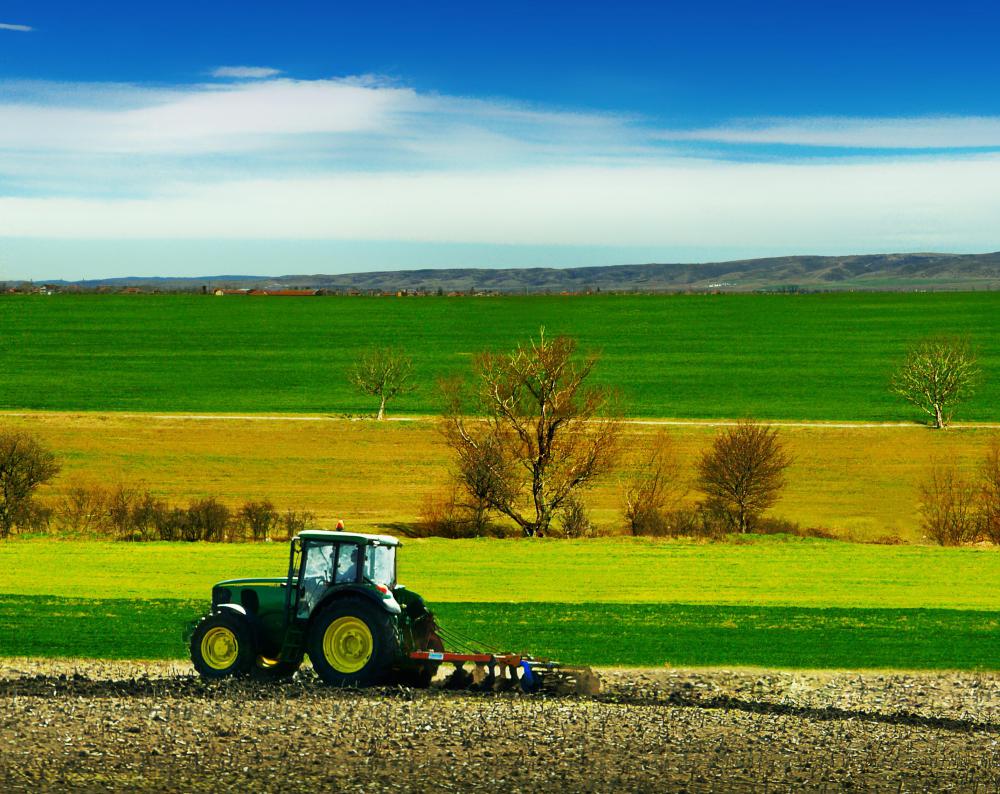
![Subsidies may help make farming profitable in some places.]() By: ValchoSubsidies may help make farming profitable in some places.
By: ValchoSubsidies may help make farming profitable in some places. -
![Some farmers are given subsidies.]() By: oneponySome farmers are given subsidies.
By: oneponySome farmers are given subsidies. -
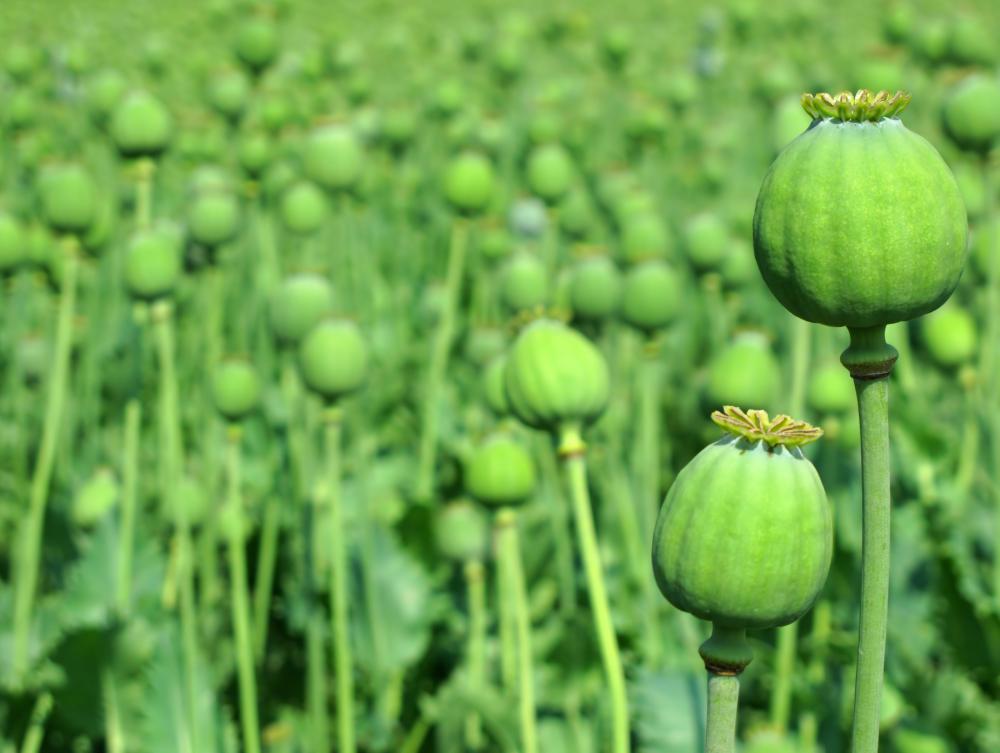
![Farmers in Afghanistan are sometimes paid not to grow opium poppies.]() By: peteriFarmers in Afghanistan are sometimes paid not to grow opium poppies.
By: peteriFarmers in Afghanistan are sometimes paid not to grow opium poppies. -
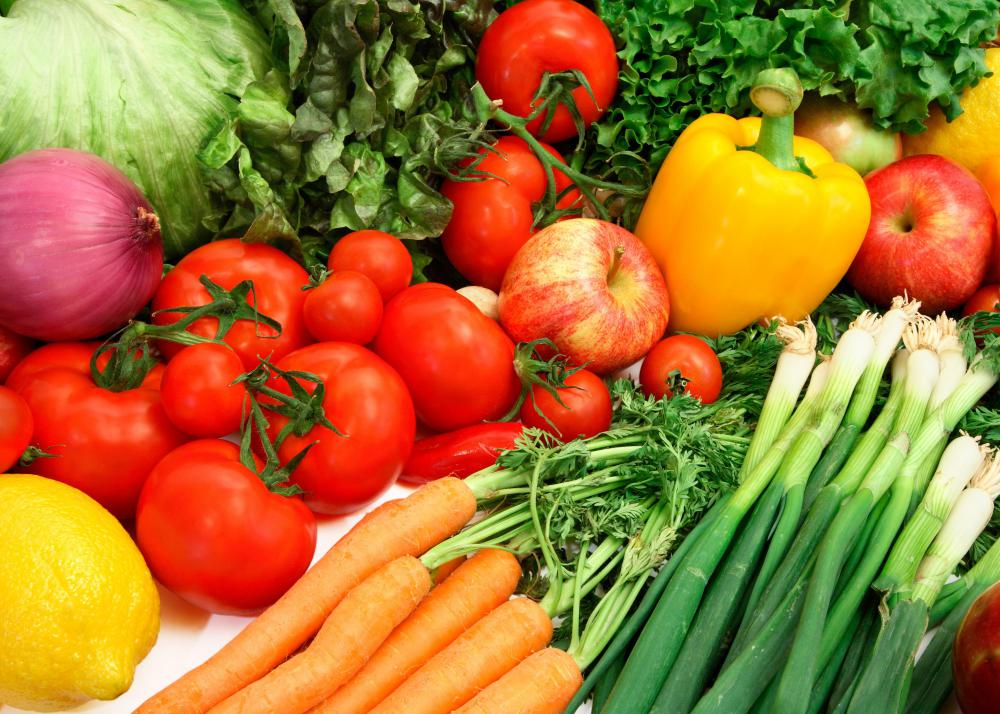
![Agriculture subsidies help guarantee that there is an adequate domestic food supply.]() By: Goran BogicevicAgriculture subsidies help guarantee that there is an adequate domestic food supply.
By: Goran BogicevicAgriculture subsidies help guarantee that there is an adequate domestic food supply. -
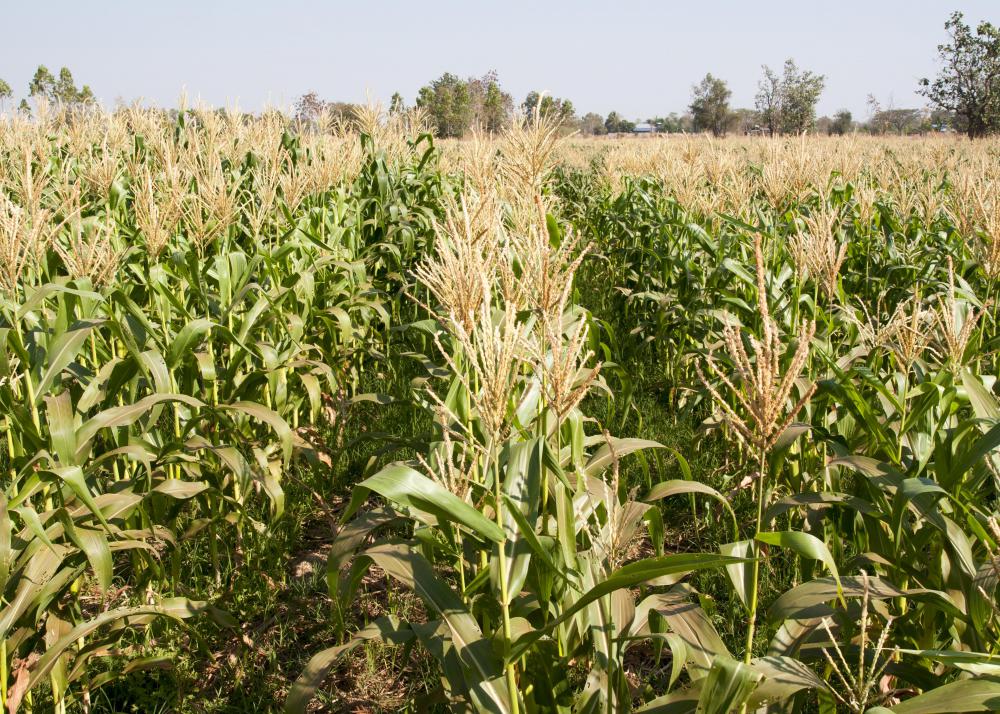
![Corn is one of the more heavily subsidized crops.]() By: k_kronCorn is one of the more heavily subsidized crops.
By: k_kronCorn is one of the more heavily subsidized crops. -
![Farm subsidies encourage agricultural efforts.]() By: simaFarm subsidies encourage agricultural efforts.
By: simaFarm subsidies encourage agricultural efforts. -
![President Franklin Roosevelt first offered agricultural subsidies to farmers during the Great Depression.]() By: airPresident Franklin Roosevelt first offered agricultural subsidies to farmers during the Great Depression.
By: airPresident Franklin Roosevelt first offered agricultural subsidies to farmers during the Great Depression. -
![Critics of agricultural subsidies say that most of the money never trickles down to the family farmers who need it the most.]() By: Denis PepinCritics of agricultural subsidies say that most of the money never trickles down to the family farmers who need it the most.
By: Denis PepinCritics of agricultural subsidies say that most of the money never trickles down to the family farmers who need it the most.






Discussion Comments
@post 10: If call having a guaranteed income and government subsidized insurance a tough way to make a living, bring it on. I have raised cattle and chickens for 25 years. The land wasn't passed down to me from my parents and I don't take one dime in subsidies.
I bale hay and buy and sell my stock. If there is a drought, the government does not pay for my hay as it does a lot of people. The big farmers around me (in Indiana) are all millionaires who have had their land and a lot of equipment passed down to them and they still take government subsidies and insurance from the tax payer.
I had a friend I work with tell me how his 82 year old uncle still gets paid for not farming his land. And yes I did say "work with." I still have to have a job to make ends meet. I also wish people would listen to themselves. You feel that if you have to compete with China or anyone else you are getting "gypped". How about all of the other people and businesses that have to compete (such as my father in-law's TV shop) with foreign competition?
If you have to compete, the crop prices would be market value and the taxpayers would be off the hook for subsidizing a bunch of rich farmers sucking on the government teat.
The only down side I see is that instead of a few big farms and rich farmers, we might have to settle with a bunch of medium farms and average income farmers really having to compete like the rest of the industries.
We should subsidize? Well sure, so when there is a drought, everyone would rather pay out the nose than help a farmer. Let's just run all the farmers into the ground and then import them from China, because will just be so much better.
Sorry, but unless someone has farmed and really gets it, this kind of stuff is crap! The farmer is the one who is getting gypped. We have no control over prices. That would be the exchange people. You buy and sell and never even go near any of it. It would be nice if we could work, set our prices and see some sort of reward, but instead we work our butts off and hope to be able to pay the bills. That's farming. It's the subsidies that help. We need them, and really, you need that we get them even if you don't understand it.
The sheeple continue. Wnd the subsidies for the milk. Who is benefiting from it, and why are they afraid of $7 dollar milk? Are they afraid once again people good gosh actually have their own cows and it would be safe?
That is complete and utter baloney.
There is no more reason to give farmers our tax money than there is to subsidize energy companies, clothing manufacturers, construction businesses, fertilizer makers, or engineers. All are necessary for economic growth, but none deserve a guaranteed income.
Furthermore, agriculture subsidies often go to people who don't even farm. The Government Accountability Office concluded in July of 2012 that the govt paid $11 M between '03 and '11 to non-producers (gao, gov/products/GAO-12-640) and continues to do so.
We need to stop paying people to not farm and stop paying special interests groups in general. We must allow US farmers to compete with with food prices globally to drive down costs for consumers, reduce the use of HFCS in foods and ethanol in biofuels, and keep Americans healthier and better off overall.
I believe that these subsidies are good for the farmers. It helps them is they have a bad year, which hurts all of us.
After a bad year, farmers may want to stop farming because they do not always get money. That's why the U.S has subsidies, to keep farmers growing food, which America needs. Imagine what would happen if all the farmers just stopped growing food. And @anon, there are a ton of TV shops and not a lot of big name farmers. Plus TVs do not feed America; farmers do.
The fact is that when my father in-law had his television shop, if he didn't sell enough TV's or get enough call outs he had a bad year. His family had to cut back and times were tough. I didn't see the government come along and guarantee his income.
Quit using my tax dollars to guarantee incomes for anyone. If you make it, you make it. That's what freedom is about.
Is there any database that tracks the subsidies that the federal government and other governments give out? I think that this type of knowledge should be publicly accessible because it is so important to international development. Subsidies influence markets incredibly, and can create justice issues between more developed and less developed countries. It seems like a powerful country could subsidize its food to the point that it causes local markets in less developed countries to collapse. This can create situations where one nation is very influential in the development of another nation.
It seems near impossible to track the money that is flowing through the department of agriculture in the United States. This makes it hard to understand the dynamic between our growth and the growth or failure of other nations. The whole process of giving massive farm subsidies seems counter intuitive to the idea of free markets, but at the same time has probably helped the United States become the economic power it is.
Does the government give out agricultural subsidies for organic farming? I have a passion for organic farming and I was wondering what types of subsidies are available for those producing organic goods. Is there a directory for government agriculture subsidies? Where can I find information on applying for agriculture subsidies?
@PelesTears- A few organizations track agriculture subsidies amongst different nations and within the United States. The International Institute for Sustainable Development created the Global Subsidies Initiative to track agriculture subsidies. You can view the subsidies governments give out as well as research on the negative effect skewed agricultural policy has on sustainable development.
Many of the subsidies given out actually cause more damage than the benefit they provide. Many of these agriculture subsidies have the effect of empowering industrialized nations at the expense of developing nations. Furthermore, the taxpayers that fund these subsidies do not benefit from them directly.
Other organizations like the Environmental Working Group track the recipients of government agriculture subsidies. A handful of recipients receive the bulk of the billions spent in agriculture subsidies, and the only benefit to the taxpayers is marginally cheaper agricultural goods. As the article stated, these subsidized agricultural goods leads to nutritional imbalances in the population since they create a glut of a few artificially cheap commodity crops.
@GlassAxe- I think most of the talk is about reducing subsidies for biofuels. As of now, the government hands out almost 12 billion USD in subsidies for ethanol and biodiesel. These savings are significant, but will probably have little negative effect on the cost of food.
From what I understand, biofuels subsidies are actually meant to subsidize the cost of producing the fuels. These costs have helped create a rush to grow biofuel crops, putting a strain on food crops and increasing prices. Most of the increase in cost of food over the last decade is attributed to disaster losses and fuel crops. Elimination of these subsidies will put less of a squeeze on food prices because growing crops for fuel will not be as profitable.
I have been hearing a lot of news about the government cutting farm subsidies to save money. How much money would this save and what would the cuts mean for the cost of foods? Could this possibly have a negative effect on the restaurant industry? I have thought about opening a restaurant, but I am worried a drastic rise in the cost of food will cause customers to dine out less.
Post your comments