
At TheHealthBoard, we're committed to delivering accurate, trustworthy information. Our expert-authored content is rigorously fact-checked and sourced from credible authorities. Discover how we uphold the highest standards in providing you with reliable knowledge.
Should I Take Alfalfa Supplements?
 Tricia Christensen
Tricia Christensen
Tricia Christensen
Some studies on alfalfa supplements conducted on animals suggest that alfalfa may slightly lower blood sugar and cholesterol. These sound like excellent qualities in a natural drug, but questions remain as to whether they are beneficial to humans. Further, taking any over the counter medication or herbal supplement should be done with consideration to possible side effects, drug interactions, and potentially harmful consequences when mixed with certain medical conditions. It is always sound to discuss any type of supplement with a doctor prior to using it.
Animal studies suggest that people with high cholesterol or with diabetes may derive some help from alfalfa supplements. With people who are insulin dependent, these supplements may actually help insulin work more effectively. When used with cholesterol reducing medications, or in addition to a modified diet, alfalfa may lower cholesterol to acceptable levels.

Some people who suffer from high cholesterol or diabetes also take other medications with which alfalfa supplements can interfere. These supplements are a mild diuretic, and if used with other diuretics, may cause the body to shed too much water and overwork the kidneys. Medications that are used to reduce blood clotting can become less effective when used with alfalfa pills because of the high levels of potassium in alfalfa seeds. People taking aspirin, warfarin, or heparin should not take alfalfa-based products.

Alfalfa supplements contain natural plant estrogens, which might be helpful in reducing the effects of early menopause. Women who take birth control pills should avoid them because they could interfere with birth control mechanisms and increase the risk of pregnancy. Women who are pregnant should never take these supplements since they may cause the uterus to contract, resulting in miscarriage or early labor.

People who take immune suppressants or corticosteroids may have trouble with alfalfa supplements. Anyone who is on transplant rejection medications should avoid the herbal supplement since it has been linked to greater immune response in the body. This could negate the effects of drugs meant to reduce the response of the immune system so that a transplant will not be rejected.

Alfalfa seeds may be harmful to people with medical conditions that are frequently treated with steroids, like lupus and rheumatoid arthritis. Immune response may be heightened and cause adverse reactions in people with these conditions. People with peanut allergies shouldn’t take alfalfa since it derives from the same family as peanuts and soybeans and suggests the possibility of allergic reactions.

All people who take alfalfa supplements should monitor side effects and take only the amount approved by a physician. Higher doses of alfalfa seeds have induced conditions like thrombocytopenia, which results in inadequate production of both red and white blood cells. Symptoms include easy bruising, fatigue, and greater susceptibility to viruses and infections.

Other herbal supplements may affect blood-clotting ability and should not be taken with alfalfa supplements. These include danshen, devil’s claw, eleuthero, garlic supplements, and high amounts of ginger. Also you should avoid ginkgo, horse chestnut, ginseng, papain, saw palmetto and red clover. In several instances, alfalfa has become infected with bacteria, and people have gotten sick from eating alfalfa sprouts. If after taking alfalfa supplements you note extreme vomiting, diarrhea or fever, you should see a doctor to rule out bacterial infection of the intestines.
Tricia Christensen
Tricia has a Literature degree from Sonoma State University and has been a frequent TheHealthBoard contributor for many years. She is especially passionate about reading and writing, although her other interests include medicine, art, film, history, politics, ethics, and religion. Tricia lives in Northern California and is currently working on her first novel.
Learn more...
Tricia Christensen
Tricia has a Literature degree from Sonoma State University and has been a frequent TheHealthBoard contributor for many years. She is especially passionate about reading and writing, although her other interests include medicine, art, film, history, politics, ethics, and religion. Tricia lives in Northern California and is currently working on her first novel.
Learn more...AS FEATURED ON:
AS FEATURED ON:


-
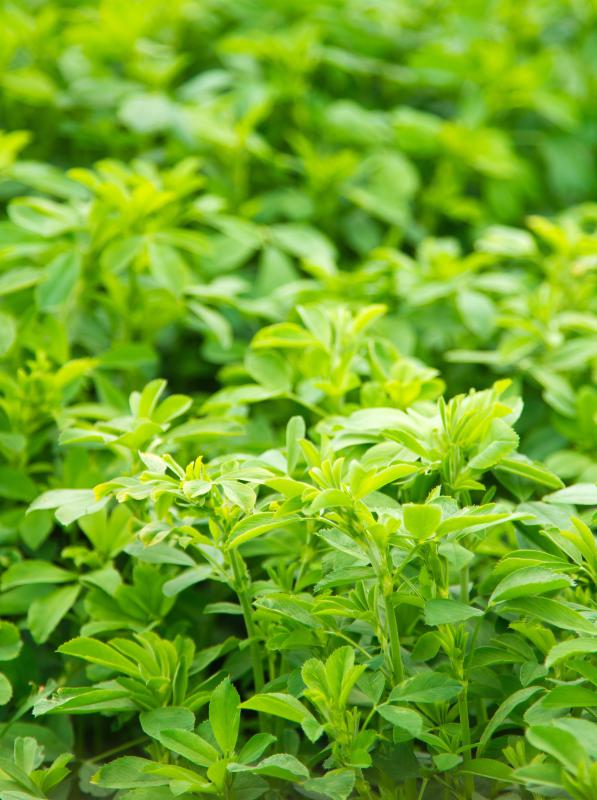
![Alfalfa plants.]() By: Sea WaveAlfalfa plants.
By: Sea WaveAlfalfa plants. -
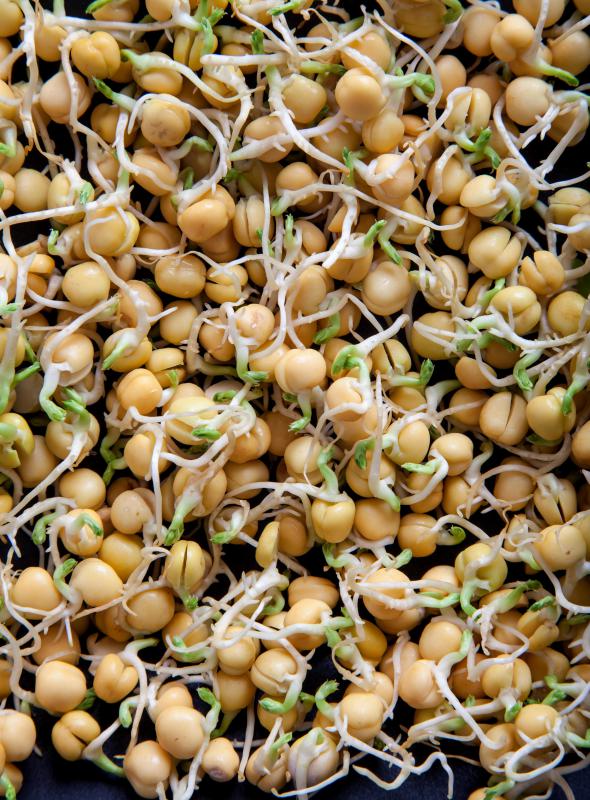
![Sprouted alfalfa seeds.]() By: voraornSprouted alfalfa seeds.
By: voraornSprouted alfalfa seeds. -
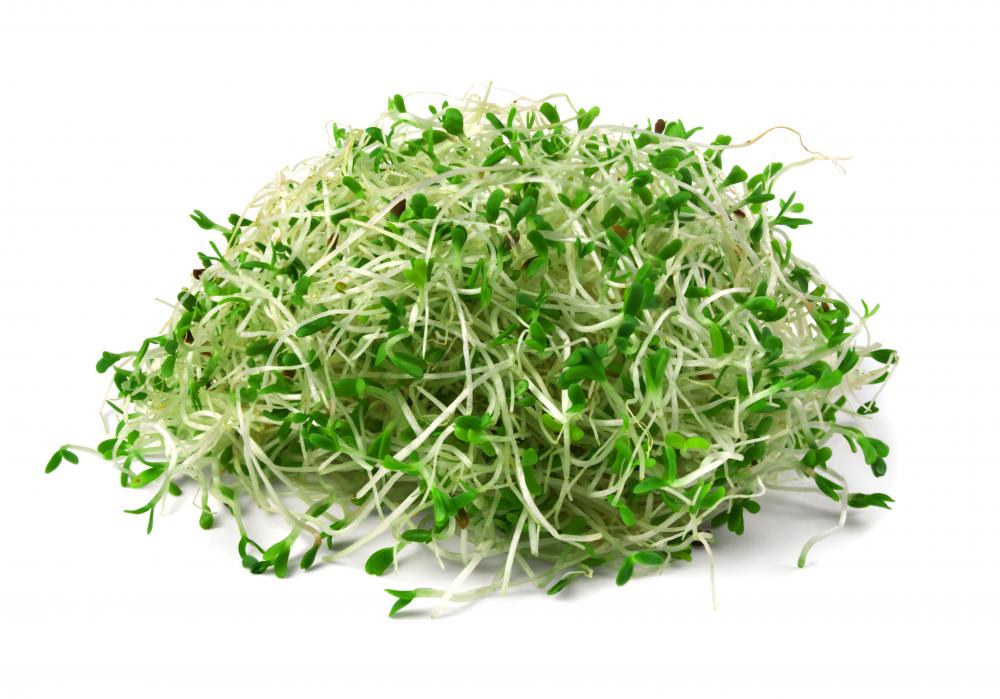
![Alfalfa sprouts.]() By: LevAlfalfa sprouts.
By: LevAlfalfa sprouts. -
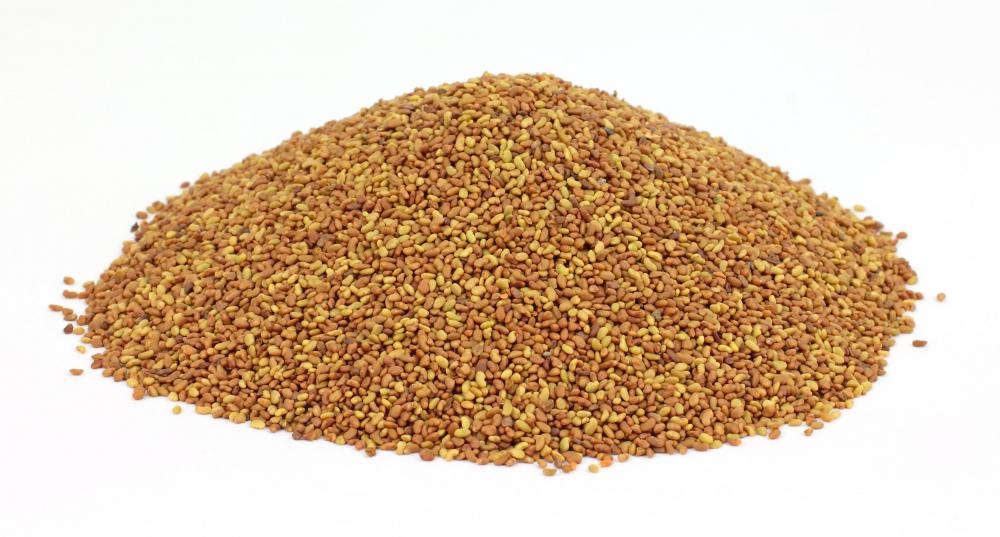
![Alfalfa seeds.]() By: Louella FolsomAlfalfa seeds.
By: Louella FolsomAlfalfa seeds. -
![Garlic supplements, which can affect blood-clotting ability, should not be taken with alfalfa supplements.]() By: SchliernerGarlic supplements, which can affect blood-clotting ability, should not be taken with alfalfa supplements.
By: SchliernerGarlic supplements, which can affect blood-clotting ability, should not be taken with alfalfa supplements. -
![Alfalfa is one of many natural supplements that can help lower cholesterol.]() By: pixelrobotAlfalfa is one of many natural supplements that can help lower cholesterol.
By: pixelrobotAlfalfa is one of many natural supplements that can help lower cholesterol. -
![High doses of alfalfa seeds may lead to easy bruising.]() By: PeJoHigh doses of alfalfa seeds may lead to easy bruising.
By: PeJoHigh doses of alfalfa seeds may lead to easy bruising. -
![Alfalfa supplements can interfere with the effectiveness of birth control pills.]() By: Kimberly ReinickAlfalfa supplements can interfere with the effectiveness of birth control pills.
By: Kimberly ReinickAlfalfa supplements can interfere with the effectiveness of birth control pills.



Discussion Comments
Is Alfalfa potassium sparing or depleting?
Alfalfa helps as an anti-inflammatory.
There's no mention on how important it is to take organic alfalfa.
I have had serious sinus and allergy issues that seem to increase each year. I started taking alfalfa the beginning of May and since have not had to take any sinus or allergy medicine. I hope there will not be side effects in the future from me taking the alfalfa. For now, I am enjoying the lack of allergy symptoms.
I'm very surprised to read here that alfalfa is bad for women taking birth control. I take birth control and have not gotten pregnant. I know many people taking birth control who take alfalfa. Does the person writing this website know at all what they are talking about?
This is ridiculous. Many of these things are drastic.
I've been smoking alfalfa for several years, having purchased some thinking it was marijuana. The only side effect has been bubbling nose syndrome which is embarrassing but almost never fatal.
I have been using alfalfa tablets to control hot flashes and symptoms of menopause with great success. Taking alfalfa helps relieve (stop) my symptoms and helps me feel great.
I'm amazed to see this site recommend that pregnant women not take alfalfa. I'm pregnant with #4, and having moved a couple of times am with my third midwifery practice.
All of them have recommended alfalfa while pregnant, and everyone I know takes it during pregnancy. It's great for nutrition, it's great for preventing post-birth hemorrhage, it's great for while you're nursing as it helps establish a great nutritional base for baby via your milk.
It's also great for aiding clotting factor for babies - particularly for those of us who don't buy into a vitamin K shot for newborns.
I did tons of research on alfalfa in my second and third pregnancies and have never heard of it increasing any kind of risk during pregnancy.
Can a breastfeeding mom take alfalfa supplements? any effects to baby or breast milk production?
should i take take alfalfa with plavix? i have a heart condition and thyroid?
my wife and i recently started using organic alfalfa 600mg tablets. yesterday my wife passed out from low heart rate.
She currently takes medication for A-fib (irregular heart beat). We've recently read that alfalfa supplements can reduce blood pressure if taken with other meds. We can't say for certain that her drop in blood pressure and heart rate was caused by alfalfa but the doctors have no other cause to blame at this point.
So we will not use alfalfa for now.
is it a good way to get protein?
can a hypo thyroid patient take alfalfa? are there any side effects?
Good question! Most alfalfa supplements contain dried parts of the herb (leaf and flowers), though ground up seeds can be found in some supplements. This varies greatly so you should check with the company or the place where you're purchasing the supplement to find out what each supplement contains. The information regarding the supplements applies to all kinds, though it is thought seeds may have most effect in lowering cholesterol. All kinds do pose the risks mentioned above.
It is not clear if the author of this post is referring only to supplements with alfalfa seeds. As there are alfalfa supplements with only dried up leaves and no seeds. Des the above hold true for alfalfa leaves as well?
In July 2007 I started having burning eye pain and at times, alfalfa seems to reduce the pain as well as tylenol. I wonder why.
can a hyper thyroid patient take alfalfa? are there any side effects?
Post your comments