
At DelightedCooking, we're committed to delivering accurate, trustworthy information. Our expert-authored content is rigorously fact-checked and sourced from credible authorities. Discover how we uphold the highest standards in providing you with reliable knowledge.
Should I Buy a Gas or Electric Range?
Whether in the form of a freestanding range, cooktop or built-in range, everyone needs a stove. Choosing between gas and electric can be a challenge, however. When buying a new range, consider the price of the appliance, the features it offers, and how safe it is. Of course, if you don't have a gas line in your home, it makes electric a much more obvious choice.
Many commercial-grade and professional ranges cook with gas. Cooking with gas is more precise, and allows the cook to control the exact amount of heat underneath a pot. This is probably gas’s main advantage over electricity. In most other respects, choosing a gas or electric range will depend largely on your needs and preferences.

Price is a consideration when choosing between gas and electric. An electric range or cooktop is usually cheaper than a gas stove, and the difference in price can be quite significant, depending on the model, manufacturer, and features. A homeowner will need a 240-volt power supply for an electric range, and most homes have these available. The homeowner may need to have a gas line installed if he doesn’t have gas service already, and this costs more than installing a new outlet.

Another factor to consider when choosing a range is the availability of the power source. Gas stoves are practical for those who live in areas where the primary source of power is propane or natural gas. They are more likely to have a line already installed in their homes for a gas stove, and it is then a simple matter to hook the stove up to the line. Even if they don't, it's probably less expensive to have a new line put in than it would be in areas where gas is more rarely used.

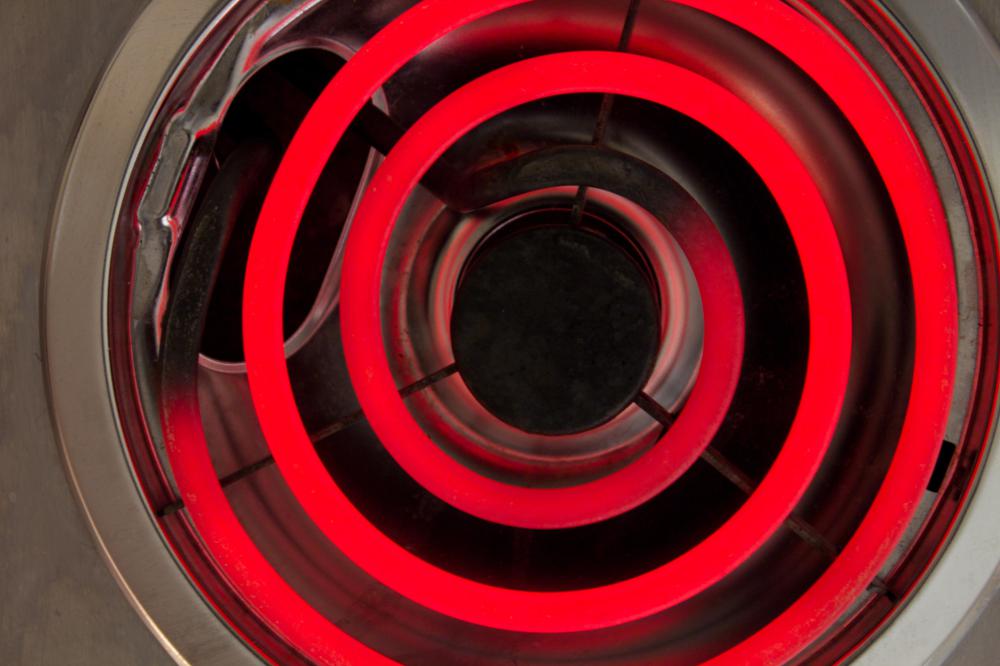
Gas stoves generally have sealed burners, which reduces the mess on a cooktop if something spills. Electric stoves with coil burners typically have removable drip pans to take care of the problem, but they can become dull and dirty with frequent use. Solid-top electric ranges have the radiant heat elements underneath a glass or ceramic top. The spills have nowhere to drip to with such a range, so the top is easily cleaned. A homeowner will pay extra for the solid cooktop option, though.

Gas and electric ranges will have self-cleaning options, which are a boon to anyone who has cleaning duties. Gas stoves also may have an electronic ignition option, eliminating the need to physically light the burner with a match. The cook just presses a switch and the burner ignites.
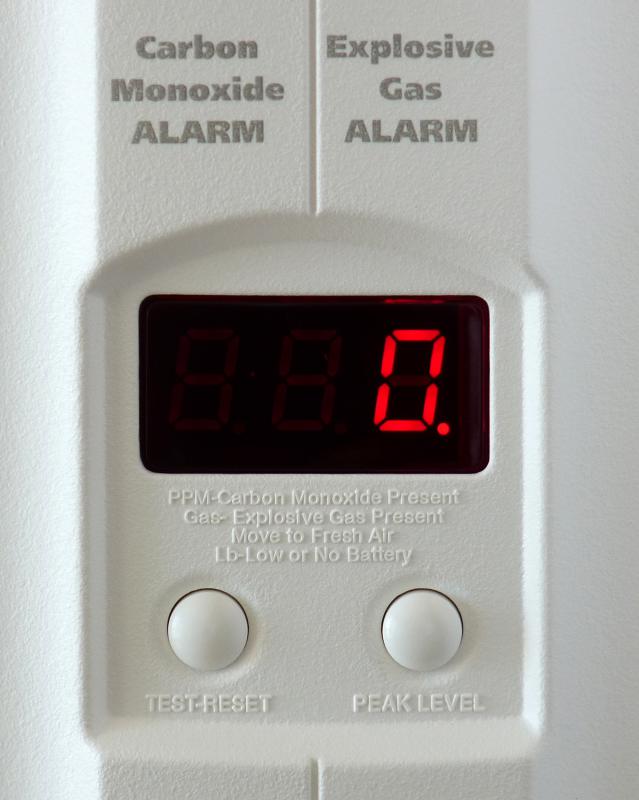
When deciding between a gas or electric range, a homeowner needs to remember that gas stoves can be a little more dangerous. They have pilot lights, and you will need to be extremely careful about having any kind of flammable liquids in your home. Any home equipped with a gas stove should also have a carbon monoxide detector, just in case something happens. The homeowner should also know how to extinguish the pilot light when on vacation or in an emergency.

Some homeowners much prefer to use electricity for cooking, since it eliminates some of the potential dangers. They do not like the idea of having a pilot light burning in the home all the time and having a gas line in use nearby. Some people also do not like the idea of having to light a burner, even with an electronic ignition system. These homeowners will want to get an electric stove no matter what.

For those who do not fear gas, and for whom a gas stove is not more convenient, personal preference and budget will determine whether they purchase a gas or electric range. Many cooks prefer gas because of its heating precision, although many electric stoves offer fairly precise heating, as well. A cook can roast peppers over a gas burner, toast marshmallows for desserts, and do other things an electric stove does not easily allow, however.

As with most home appliances, comparison shopping and a knowledge of available features are a consumer’s best friends when it comes to purchasing a stove. Either type of range should provide many years of service to a homeowner. Choosing one over the other simply depends on personal preference and which suits your lifestyle best.
AS FEATURED ON:
AS FEATURED ON:


-
![An electric coil burner has a removable drip pan for easy cleaning.]() By: 22 North GalleryAn electric coil burner has a removable drip pan for easy cleaning.
By: 22 North GalleryAn electric coil burner has a removable drip pan for easy cleaning. -
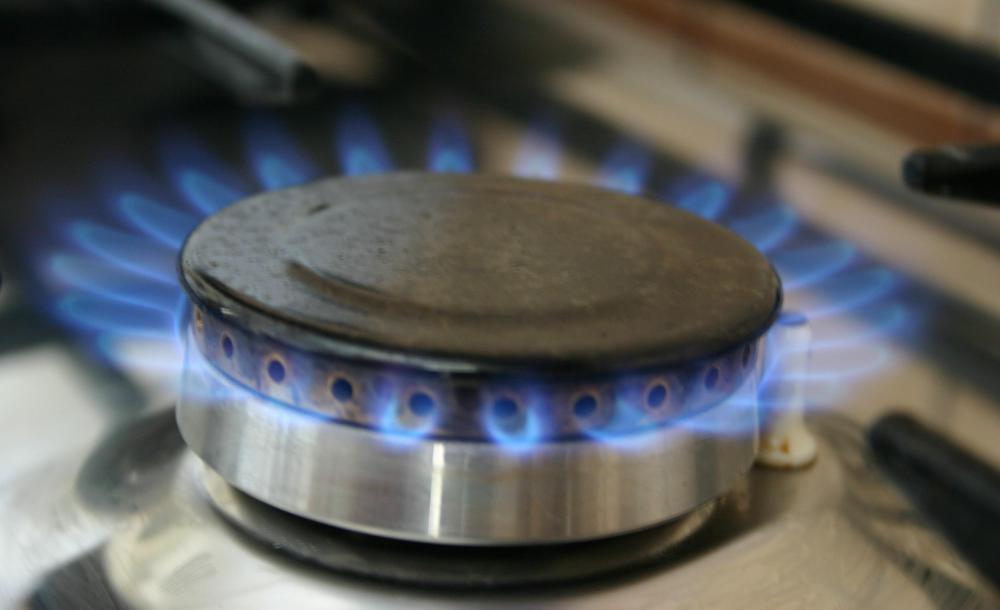
![A gas burner is powered by natural gas or propane.]() By: WolszczakA gas burner is powered by natural gas or propane.
By: WolszczakA gas burner is powered by natural gas or propane. -
![When using a gas range, a carbon monoxide detector should be installed.]() By: Ray KasprzakWhen using a gas range, a carbon monoxide detector should be installed.
By: Ray KasprzakWhen using a gas range, a carbon monoxide detector should be installed. -
![Gas ranges offer more precise temperature control than electric ranges.]() By: Wollwerth ImageryGas ranges offer more precise temperature control than electric ranges.
By: Wollwerth ImageryGas ranges offer more precise temperature control than electric ranges. -
![Electromagnetic induction cooktops have been popular in Europe for decades, and are gaining popularity in the United States.]() By: Lucky DragonElectromagnetic induction cooktops have been popular in Europe for decades, and are gaining popularity in the United States.
By: Lucky DragonElectromagnetic induction cooktops have been popular in Europe for decades, and are gaining popularity in the United States. -
![Electric ranges do not allow as much heat to escape as gas stoves.]() By: jokerproElectric ranges do not allow as much heat to escape as gas stoves.
By: jokerproElectric ranges do not allow as much heat to escape as gas stoves. -
![The sealed burners on gas stoves can reduce the mess one has to clean up.]() By: creativenature.nlThe sealed burners on gas stoves can reduce the mess one has to clean up.
By: creativenature.nlThe sealed burners on gas stoves can reduce the mess one has to clean up. -
![An electric range is normally cheaper than a gas stove.]() By: ArenaCreativeAn electric range is normally cheaper than a gas stove.
By: ArenaCreativeAn electric range is normally cheaper than a gas stove.


Discussion Comments
Gas is cheaper than electricity. Most restaurants use gas for cooking, because it is much faster and precise. Gas ranges have sturdier grates so your pots and pans won't wobble as on an electric element.
Gas is moist heat and electric is dry heat which may affect your cooking roasts and other oven baked goods. Gas stoves can work in a power outage, like the models with battery ignition, so you won't starve to death and you can also heat up your house a little bit too.
Gas is about 10 cents per hour's usage cheaper than electric, example: Electric stove 1 hour at 350 = 17 cents, same with gas + $6 cents (both approximate.) However, cooking with gas causes white walls, ceilings, white and light colored draperies, curtains and carpeting to yellow, just as a gas dryer does versus electric dryer. Electricity is still a cleaner fuel for home appliance use. Better for pets and people with allergies, asthma, etc.
Whatever you learn to cook on, you will probably prefer, at least for a while.
even though newer gas stoves don't have the pilot light, they still actually use about 500 watts of electricity with its glow bar.
Is it more economical to cook with electricity or natural gas?
I, too, would like to know the cost differential in gas versus electric. Is it possible to secure that information. kyrp
Most gas stoves today, like other gas appliances, have electronic ignition instead of a pilot light. (Green initiative)
Minimum height for a microwave above a gas or electric cook top will depend on visibility and the microwave's tolerance to heat and water vapors rising from the cooking food.
What is the minimum distance between gas range top and cabinet and/or microwave above?
is it safe to do BBQ inside on Gas stove griddles? is there any stove with sensor that let know about unwanted opened knob on gas stove?
To add, Gas stoves can make breathing difficult for those with allergies.
It would be helpful if you would provide a formula so that we could determine which source of energy is cheaper - gas, or, electricity, based on BTU used.
Post your comments