
At DelightedCooking, we're committed to delivering accurate, trustworthy information. Our expert-authored content is rigorously fact-checked and sourced from credible authorities. Discover how we uphold the highest standards in providing you with reliable knowledge.
Is Raw Milk Dangerous?
 Mary McMahon
Mary McMahon
Mary McMahon
Raw milk started to appear more often in the news in the early twenty-first century, due to a number of books written about it and advocacy organizations which promoted the idea that it is healthier for people to drink than pasteurized milk. In many areas of the United States, however, the sale of unpasteurized milk for human consumption is outlawed, and many health organizations also speak out strongly against its consumption. With these two differing opinions, many consumers are left wondering how dangerous raw milk really is. The blunt truth is that it is more potentially dangerous than pasteurized milk, but when it is handled correctly, it is relatively safe, and nutritional analysis suggests that it is better for you.
When milk is not pasteurized or homogenized, it is designated as raw. Pasteurization was invented in the 1800s by Louis Pasteur, who learned that heating a food to 161 degrees Fahrenheit (71 degrees Celsius) for 15 seconds would kill most of the harmful bacteria in it. The applications for milk were realized immediately, and safe, healthy milk began to be readily accessible to many more people at reasonable prices. For people concerned about health, milk safety has always been a big issue, because it is an ideal culture medium for many bacteria, especially salmonella, brucellosis, tuberculosis, and camplyobacteriosis. By pasteurizing milk, the risk of contracting one of these illnesses is greatly reduced.

When farmers harvest raw milk for human consumption, it must be handled very carefully. Perhaps more carefully because it does not undergo the additional pasteurization or homogenization process that traditional milk goes through. In the ideal process, the cows are first milked in a very clean environment, and their udders are wiped down before milking to remove any sources of contamination. With a gloved hand, the farmer pulls a small amount of milk to remove bacteria that may be lurking at the tip of the teat, and to make sure that the milk is clean and healthy. Then, a milking machine is connected to the cow, and the milk is expressed directly into a chilled tank. Unpasteurized milk must be kept in a cold chain from milking to consumption, and the equipment must be spotless.

Raw milk proponents argue that it is healthier than conventional milk because the pasteurization process that conventional milk undergoes also kills friendly bacteria or good bacteria which can help with digestion and the immune system. The pasteurization process may also remove some vitamins that occur in raw milk such as B6. Other enzymes and minerals may be removed during pasteurization process as well. Unpasteurized milk proponents also argue that it tastes better than pasteurized milk.

Those that argue against raw milk, cite Center for Disease Control (CDC) reports of illnesses that resulted from its consumption. Because it does not go through the process of removing harmful bacteria that pasteurized milk undergoes, it can open its consumers up to greater health risks. Traditional milk proponents cite these potential health dangers along with no significant difference in taste as reasons to stick with pasteurized milk.

Perhaps the real question in assessing the danger associated with raw milk is the cleanliness of the dairy in which the milk was produced. Those raw dairies that test their product extensively for bacteria and contamination, and make these test results available to the public, may be less dangerous to drink. People who are immunocompromised, however, should consult a doctor before consuming raw milk.
Mary McMahon
Ever since she began contributing to the site several years ago, Mary has embraced the exciting challenge of being a DelightedCooking researcher and writer. Mary has a liberal arts degree from Goddard College and spends her free time reading, cooking, and exploring the great outdoors.
Learn more...
Mary McMahon
Ever since she began contributing to the site several years ago, Mary has embraced the exciting challenge of being a DelightedCooking researcher and writer. Mary has a liberal arts degree from Goddard College and spends her free time reading, cooking, and exploring the great outdoors.
Learn more...AS FEATURED ON:
AS FEATURED ON:


-
![A bottle of raw milk.]() By: HyrmaA bottle of raw milk.
By: HyrmaA bottle of raw milk. -
![A Salmonella bacterium, which can sometimes be found in raw milk.]() By: Lyuba BunakovaA Salmonella bacterium, which can sometimes be found in raw milk.
By: Lyuba BunakovaA Salmonella bacterium, which can sometimes be found in raw milk. -
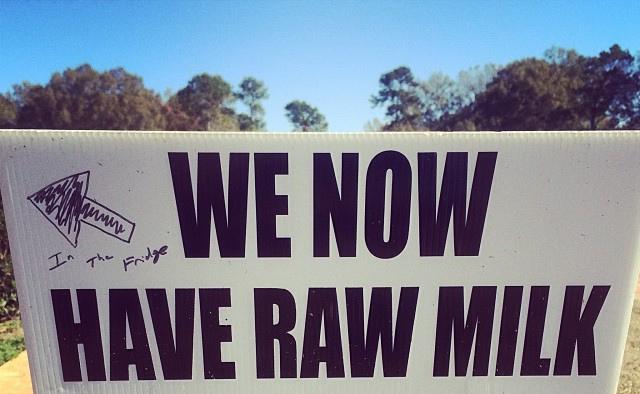
![Raw milk sellers promote the product as healthier than pasteurized milk.]() By: cheeseslaveRaw milk sellers promote the product as healthier than pasteurized milk.
By: cheeseslaveRaw milk sellers promote the product as healthier than pasteurized milk. -
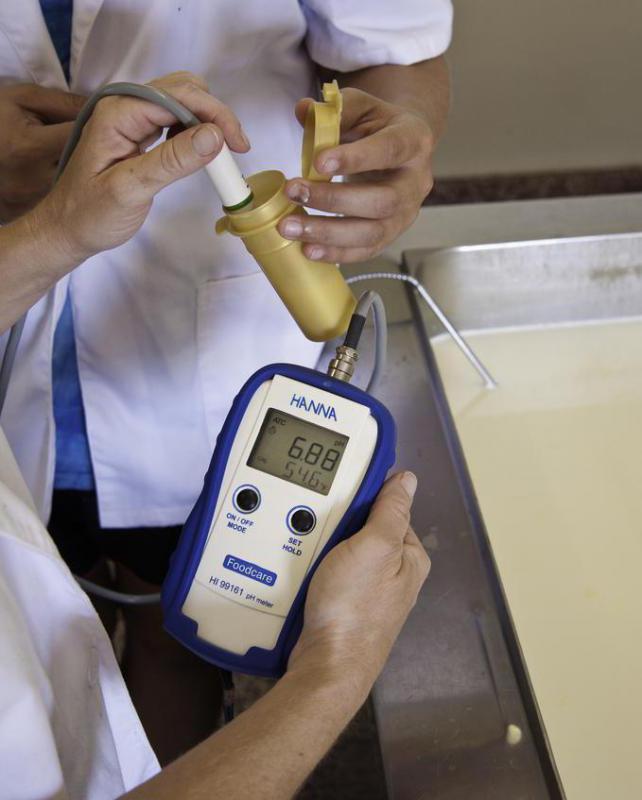
![Raw milk does not go through the process of removing harmful bacteria that pasteurized milk does.]() By: U.S. Department of AgricultureRaw milk does not go through the process of removing harmful bacteria that pasteurized milk does.
By: U.S. Department of AgricultureRaw milk does not go through the process of removing harmful bacteria that pasteurized milk does.


Discussion Comments
i wonder how many people "die" from smoking or alcohol. these are still legal, but i can't "risk" my life with raw milk. big government, please wrap me in an impervious cocoon to keep me safe, but don't forget my pack of smokes and a fifth of JD. --Ed
People did drink raw milk before the days of Luis Pasteur, and the life expectancy was also 38 years.
My grandmother was from Bosnia. She lived in a rural area and had seen an urban city maybe three or four times in her life. She had never heard the word "pasteurization," much less knowing what it meant. That said, even she had sense to boil the milk before human consumption, whether it be to drink directly or make cheese.
Drinking unboiled, raw milk is a very, very stupid thing to do, and it doesn't matter how "clean" the dairy is. Truth of the matter is, bacteria are impossible to completely remove by cleaning the udders, and the cow may even be infected but asymptomatic. I am all for unpasteurized milk, although I personally prefer the taste of pasteurized milk. I use unpasteurized milk to make unripened cheese all the time. But I still boil it.
Oh, and one more thing anon24713. Organic producers do treat their sick animals - that's right, they give them antibiotics. But they remove them from the "organic" herd until the antibiotics have left the animal. The best of both worlds.
anon24713 - people are reacting to the irresponsible use of antibiotics. Sounds like this isn't applicable to your operation.
Studies, reports, and whistleblowers abound who tell us of the "preventative" use of antibiotics, and the use of antibiotics as growth stimulants for meat animals.
This use has led to the emergence of antibiotic resistant bacteria which contribute to the 90,000-plus Americans who die from secondary infections obtained at hospitals.
So pipe down, this isn't about you, and you should be screaming at the industrial food complex just as loud as we are - it's making the land and people sick.
Raw milk doesn't sound safe. I'm from overseas country where we always got our milk raw, but we always boiled it--even if we made cheese from it later. That's because you can get tuberculosis etc from it.
I was infected with TB. My mom had salmonella (from eating a duck) and that's a really bad disease. Raw milk sounds like an unsafe idea to me. People who say that for millennia people drank raw milk, well that's true, but diseases were going on for millennia as well, and if not for antibiotics, we'd still be afraid of the plague.
So, just because something has been going on for ages (like smoking tobacco), doesn't mean that it's good or safe.
I find it very interesting that when the phrase "traditional milk" is used it is describing pasteurized milk. Pasteurization has only been going on for the last 200 years. 1000 years before that people drank raw milk. Raw milk = traditional milk.
We have been dairy farming for almost twenty-five years. To suggest that a conventional dairyman "can afford to let their cows become infected" is an irresponsible statement. The dairy farmers we are and we know work to produce the cleanest milk possible. We are rewarded for our efforts in milk premiums, but beyond this, it is the wholesome heart of a dairyman to produce the best possible milk quality he can, for the public and for his/her family.
In regard to antibiotics, one should consider the inhumane act of allowing cattle to suffer health conditions when the means exist to treat the cow to restore good health? Would someone watch their own children suffer from an illness and possible death when the medical profession offers treatment for cure? Organic loads of milk have been rejected for antibiotics. Lack of antibiotics in organic farming are only as good as the integrity of the farmer. This is true for any farmer, organic or conventional. The problem is that advertisements make the general population believe the conventional farmer is careless. This is a falsehood and misrepresentation.
Further, to suggest that conventional cattle are less clean and given less personal care is not an accurate generalization. Organic cattle in the heart of the spring season wade through several feet of mud and manure due to seasonal spring rains. This is not the serene picture we often see advertised for organic dairy cattle on fresh green grass. The public will believe what they are told, not necessarily what is the truth. Born and raised in the heartland of America, we have raised our family using responsible conventional farming practices. Proud to be called a conventional farmer, instilling wholesome values in our children of hard work, quality care of our animals and land. Live it daily. You will understand.
Post your comments