
At WiseGEEK, we're committed to delivering accurate, trustworthy information. Our expert-authored content is rigorously fact-checked and sourced from credible authorities. Discover how we uphold the highest standards in providing you with reliable knowledge.
Is Mold a Health Risk?
 Tricia Christensen
Tricia Christensen
Tricia Christensen
Some types of mold can be a health risk for some people. People's reaction is highly variable and is dependent upon the type, as well as how much of it exists in the home. It is clear that some people are allergic to mold. Further, some populations are more susceptible to the negative effects from exposure. Those who have allergies, asthma, or pulmonary conditions may be more susceptible, as well as children and infants. Those with suppressed immune conditions, like HIV/AIDS may risk developing fungal infections in the lungs due to lengthy mold exposure.
The primary response to mold is an allergic response. Not all people are sensitive in this way, just as not all people are allergic to pollen. In minor forms, exposure can cause hayfever symptoms like runny nose, itchy eyes, and sore throat.

Some people develop asthma as part of an allergy response to mold. This is one of the severe symptoms of allergy. Asthma can be dangerous and can become progressively worse if exposure continues. When possible, those who have an asthma response should have their environments as mold-free as possible. However, this can be challenging.
One can generally clean the mold one can see, such as that which exists on walls. There is plenty that we don’t see, both indoors and out that may cause health issues. Air purifiers may help reduce airborne spores that one can't see. Keeping it from regrowing by wiping down windows if they become moist, and keeping bathrooms clean may also help reduce mold in the home environment. Bathrooms should never be carpeted, as carpet can harbor mold and be difficult to clean.

An allergic response can also lead to greater risk for sinus infections. In fact, those who appear to have chronic sinus infections without a viral cause may in fact be expressing allergies to mold. Again, trying to rid the home of any visible mold is helpful.
The greatest danger is the possibility of developing fungal infections in the lungs. This generally only occurs in those with weakened immune systems. Fungal infections can be challenging to treat, and are worsened when one already has a suppressed immune system. Anti-fungal medications can treat fungal infections, but many of them have adverse side effects.

One type, Stachybotrys chartarum, is sometimes called toxic mold. It tends to develop after a home has been flooded. People do show a higher allergic response to it, and it should be eliminated with bleach cleaning when possible. It is also a good idea to replace carpets that have been exposed to flood waters.
Some studies have suggested a possible link between hemorrhage in the lungs in infants and exposure to Stachybotrys chartarum. The US Centers for Disease Control (CDC) reports that there is currently scant evidence to support a connection between pulmonary hemorrhage and this type or any type of mold exposure. However, possible risk, even if remote, suggests removing such mold from one’s home as quickly as possible, particularly if one has a young child or if one is allergic to it.
Tricia Christensen
Tricia has a Literature degree from Sonoma State University and has been a frequent WiseGEEK contributor for many years. She is especially passionate about reading and writing, although her other interests include medicine, art, film, history, politics, ethics, and religion. Tricia lives in Northern California and is currently working on her first novel.
Learn more...
Tricia Christensen
Tricia has a Literature degree from Sonoma State University and has been a frequent WiseGEEK contributor for many years. She is especially passionate about reading and writing, although her other interests include medicine, art, film, history, politics, ethics, and religion. Tricia lives in Northern California and is currently working on her first novel.
Learn more...AS FEATURED ON:
AS FEATURED ON:









-
![Moldy bread.]()
Moldy bread. -
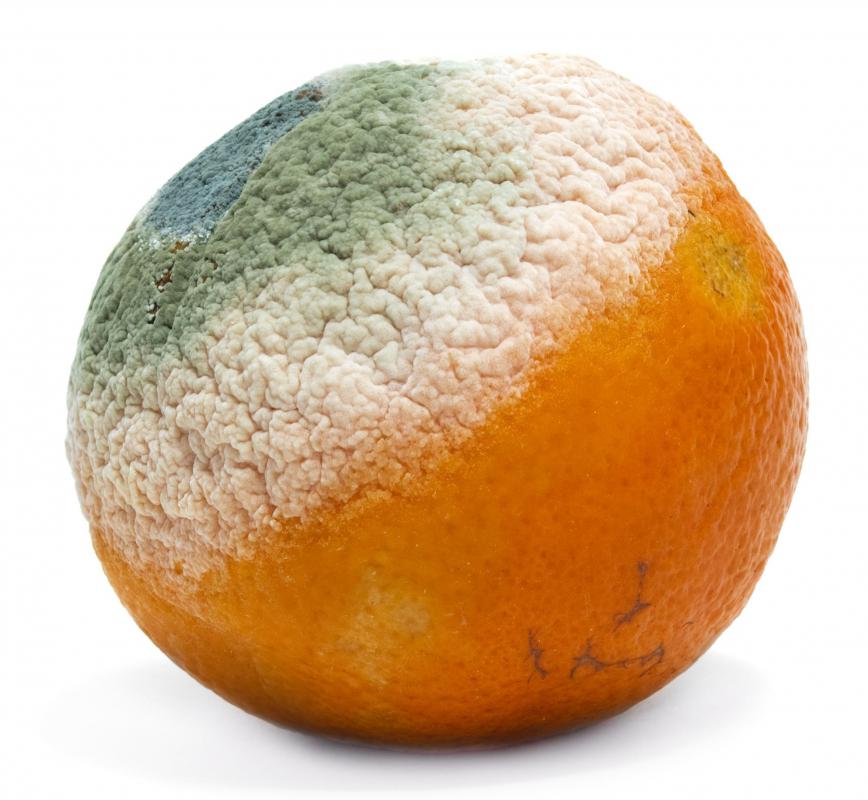
![An orange with mold on it.]() By: nitoAn orange with mold on it.
By: nitoAn orange with mold on it. -
![Mold may cause asthma to develop.]() By: sarra22Mold may cause asthma to develop.
By: sarra22Mold may cause asthma to develop. -
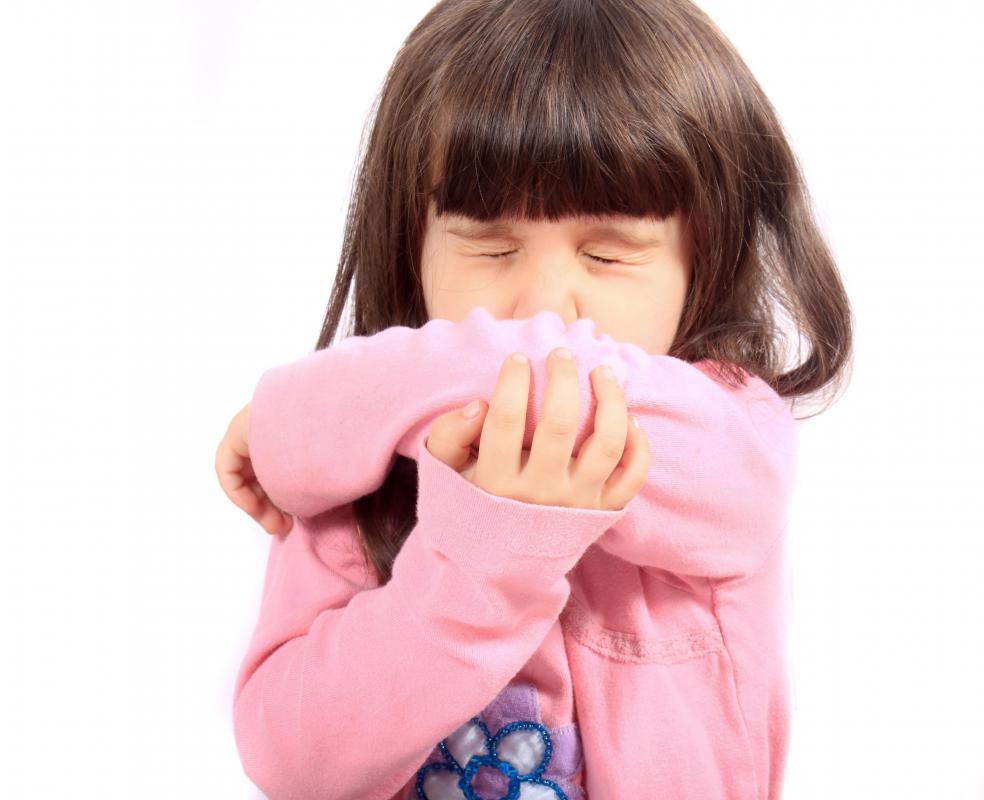
![Children are more susceptible to mold allergies.]() By: Graça VictoriaChildren are more susceptible to mold allergies.
By: Graça VictoriaChildren are more susceptible to mold allergies. -
![It is important to avoid carpeting areas that hold moisture to reduce risk of mold.]() By: Africa StudioIt is important to avoid carpeting areas that hold moisture to reduce risk of mold.
By: Africa StudioIt is important to avoid carpeting areas that hold moisture to reduce risk of mold. -
![An air purifier can reduce airborne mold spores.]()
An air purifier can reduce airborne mold spores. -
![Bathrooms should be examined for mold on a routine basis.]() By: david hughesBathrooms should be examined for mold on a routine basis.
By: david hughesBathrooms should be examined for mold on a routine basis. -
![A bleach and water solution can be an important part of getting rid of mold.]() By: design56A bleach and water solution can be an important part of getting rid of mold.
By: design56A bleach and water solution can be an important part of getting rid of mold.




Discussion Comments
@JaneAir - It's a good thing your friend was able to do mold cleanup on her home. I've heard of people having such extensive mold problems that they're forced to move. I've also known a few people that had a mold problem in their apartment and their landlord wouldn't do anything about it. They ended up moving too, rather than face a protracted battle to get the problem fixed.
It's interesting how different people react to mold. One of my friends had mold in her house, and about half of her family showed symptoms, and the other half of the family was fine. So they couldn't figure out what was going on!
Finally they discovered they had a mold problem, and did extensive mold remediation in their house. Now the whole family is feeling better, but I always thought it was so crazy that only some of them got sick. I bet if the whole family had gotten sick they would have realized what was going on a little sooner.
@dautsun - I'm allergic to mold also! I try to be extra vigilant about keeping my house free of moisture, but I guess when it comes to basements there's not a lot you can do if it isn't built properly (and I hear a lot of basements aren't built properly so mold doesn't develop.) But at least I can do something about bathroom mold by running my fan and wiping everything down after I shower.
@ddljohn - Like your sister, I'm allergic to mold. I also have asthma and other allergies, so I'm practically an allergen barometer. I'm a great person to take with you if you want to rent an apartment and you want to know if it's full of allergens.
I actually have trouble with basements too. I usually get mold symptoms when I go into a basement, even one that has been finished. However, I don't have symptoms anywhere else in the house, so I guess I'm kind of lucky in that regard.
Will I get sick if I accidentally eat something with mold on it?
@anon3860-- I'm experiencing the same thing right now!
I had a household mold problem (black mold) several months ago and I had it cleaned up. But ever since, I have been constantly sick. I also have a sore throat, as well as a coughing and swollen glands. I have been on antibiotics and they seemed to help but the symptoms came right back after I finished the dose.
My doctor hasn't really been taking notice of the mold issue. Maybe I should see a different doctor.
Mold can definitely be a health risk for people with allergies.
My sister is allergic to mold and while growing up, I remember we had to move several times because mold spores from the basement were making my sister sick. It would give her asthma attacks and she had trouble breathing.
Now they have purifiers to help with this and my sister has tried them but it doesn't work too well. She can never live in a house with a basement because of her mold allergy.
Hi there, I am wondeirng if mold in a home can cause nodules in the lungs, especially if someone has asthma to begin with? Please respond with some good information.
Can mold cause constant migraines?
Interesting article. Can one get a fungal infection in the throat from repeated high levels of exposure to toxic mold? A friend has had a sore throat for months and has taken two courses of antibiotics and corticosteriods and nothing has helped.
Post your comments