
At WiseGEEK, we're committed to delivering accurate, trustworthy information. Our expert-authored content is rigorously fact-checked and sourced from credible authorities. Discover how we uphold the highest standards in providing you with reliable knowledge.
Is It Safe to Take Fish Oil During Pregnancy?
Taking fish oil during pregnancy has positives and negatives. Safety issues are often associated with mercury or retinol levels in fish. These substances can pass from the actual fish into fish oil supplements and, when taken by a pregnant woman, affect fetal health. In some cases, fish oil supplements contain little or no mercury or retinol, but expecting women may need to read labels carefully, or contact manufacturers, to find out total mercury content of a given product.
Fish oil is a rich source of omega-3 fatty acids. Fatty acids are typically consumed in food, but researchers have found many people have higher levels of omega-6 fatty acids in the body than omega-3s. A balance is required between these two, to achieve optimal benefits. Experts tend to support taking fish oil during pregnancy, to achieve a more balanced diet.

According to the National Institutes of Health (NIH), western diets typically contain a 15-to-1 ratio of omega-6 to omega-3 fatty acids. Health benefits, like reduced mortality, increase by 70% when that ratio is reduced to recommended levels. Increasing omega-3 consumption to reach a 4-to-1 ratio is sufficient to reduce mortality risk. For pregnant women, reaping omega-3 fatty acid benefits may require finding fish oil derived from the body flesh of fish, instead of fish liver.

Oil derived from fish liver contains retinol, which is a form of Vitamin A. Vitamin A supplementation should be avoided during pregnancy. Prenatal vitamins typically contain 8,000 IUs of it, which is the generally required level. When liver-based fish oils are consumed along with prenatal vitamins, there may be an increased risk of retinoid embryopathy.

Retinoid embryopathy is a syndrome that may cause deformation of the fetus' ears, face, and heart. Thyroid function may also be impaired by this condition. Vitamin A toxicity in pregnancy is not usually associated with beta-carotene, just retinol, so care must be taken to avoid this.
Mercury levels in fish oil supplements tend to be lower than those of fresh fish. One reason for this may be that fish oil can be cleaned, to reduce these levels, before being placed in a capsule. Women who wish to consume fish oil during pregnancy should read ingredient labels carefully. Fish low in mercury levels — like sardines, tilapia, and anchovies — normally result in fish oil with low amounts.

The human body tends to absorb fish oil during pregnancy better when fresh fish is consumed. However, the American Pregnancy Association (APA) suggests that pregnant women eat no more than 12 ounces (about 340 grams) of fish per week. The APA also suggests fish that should not be eaten — like tilefish, swordfish, and shark — during pregnancy due to high mercury levels. Other fish to avoid for this reason include grouper, marlin, and orange roughy.
AS FEATURED ON:
AS FEATURED ON:









-
![Mackerel is often used as the source for fish oil tablets.]()
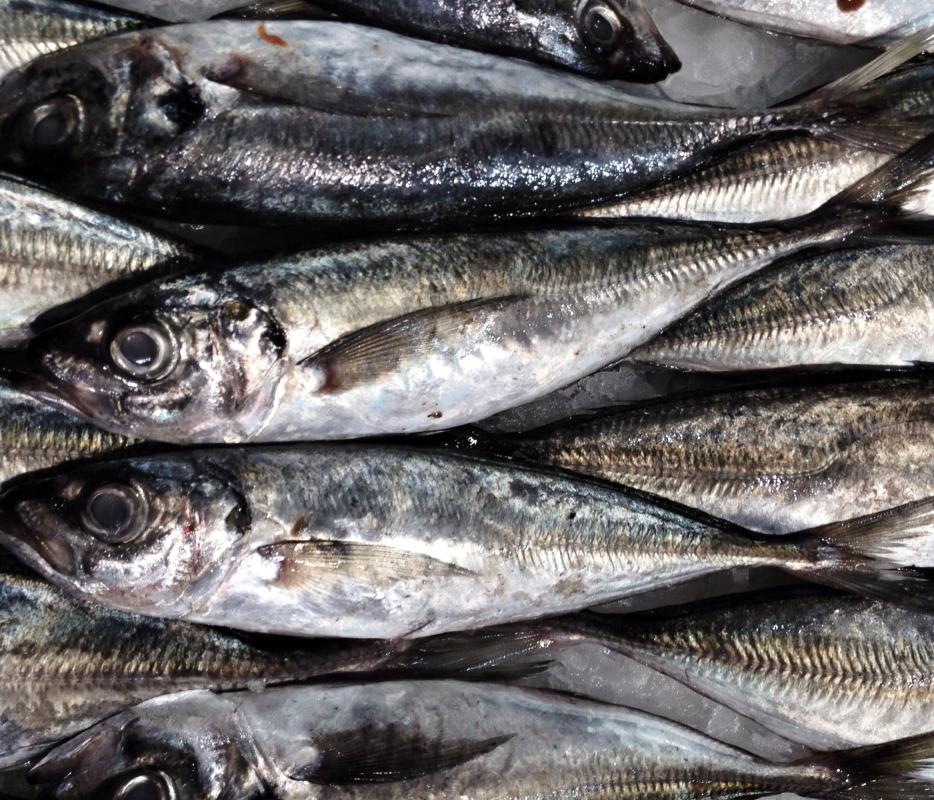
Mackerel is often used as the source for fish oil tablets. -
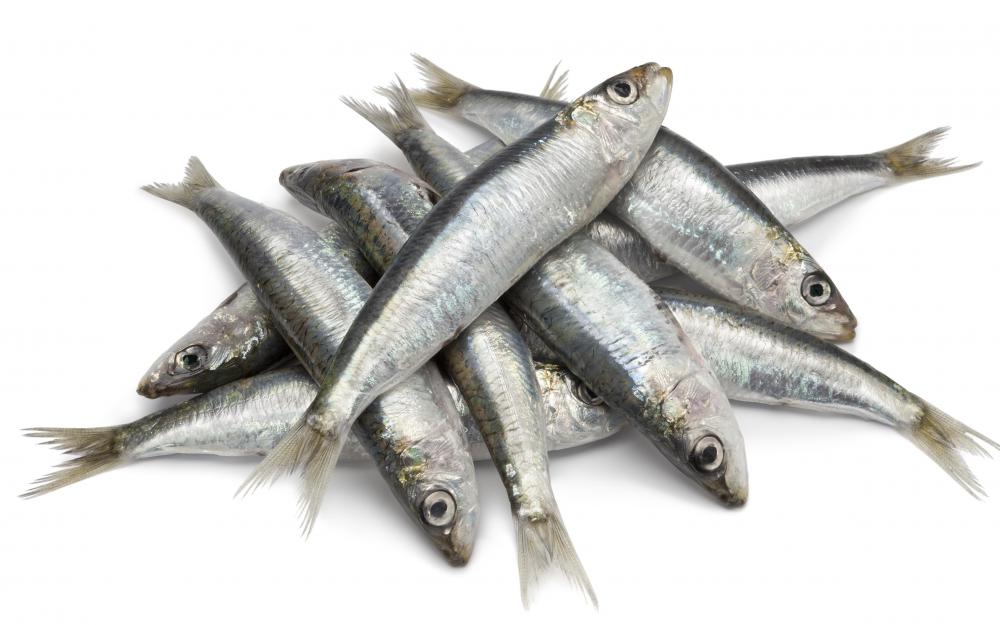
![Sardines are low in mercury, so the oil supplements made from them typically are as well.]() By: nitoSardines are low in mercury, so the oil supplements made from them typically are as well.
By: nitoSardines are low in mercury, so the oil supplements made from them typically are as well. -
![Pregnant women should consult their OB-GYN before taking fish oil or any other dietary supplement.]() By: MilissentaPregnant women should consult their OB-GYN before taking fish oil or any other dietary supplement.
By: MilissentaPregnant women should consult their OB-GYN before taking fish oil or any other dietary supplement. -
![Pregnant women should be sure that their fish oil supplements contain no mercury or retinol.]() By: maronPregnant women should be sure that their fish oil supplements contain no mercury or retinol.
By: maronPregnant women should be sure that their fish oil supplements contain no mercury or retinol. -
![Sardines -- a type of small fish in the herring family -- are rich in calcium and other minerals, vitamin D, and omega-3 fatty acids.]() By: Picture PartnersSardines -- a type of small fish in the herring family -- are rich in calcium and other minerals, vitamin D, and omega-3 fatty acids.
By: Picture PartnersSardines -- a type of small fish in the herring family -- are rich in calcium and other minerals, vitamin D, and omega-3 fatty acids. -
![Pregnant women are advised to consume the omega-3 fatty acid DHA to promote healthy neurological development in their babies.]() By: Rohit SethPregnant women are advised to consume the omega-3 fatty acid DHA to promote healthy neurological development in their babies.
By: Rohit SethPregnant women are advised to consume the omega-3 fatty acid DHA to promote healthy neurological development in their babies. -
![Sometimes a concern for pregnant women because of possible mercury content, fish oil supplements are rich in healthy fats, such as omega-3 fatty acids, eicosapentaenoic acid and docosahexaenoic acid, commonly called DHA.]() By: Stephen VanHornSometimes a concern for pregnant women because of possible mercury content, fish oil supplements are rich in healthy fats, such as omega-3 fatty acids, eicosapentaenoic acid and docosahexaenoic acid, commonly called DHA.
By: Stephen VanHornSometimes a concern for pregnant women because of possible mercury content, fish oil supplements are rich in healthy fats, such as omega-3 fatty acids, eicosapentaenoic acid and docosahexaenoic acid, commonly called DHA.





Discussion Comments
@ysmina-- I think that the vitamin A in fish oil supplements are more dangerous than mercury. If you don't take vitamin A in any other way, you can take a reasonable dose of fish oil supplements without problems during pregnancy. Omega 3 is very beneficial for the growing baby and most of us don't have the best diet during pregnancy. We are usually lacking in omega 3.
Just make sure that you are taking a quality supplement made form small fish such as sardines. And as I said, make sure that you are not taking any vitamin A supplements. If the supplement bottle advises against use in pregnant women, then don't use that type.
I do use fish oil supplements regularly because I don't eat much fish. But I didn't take fish oil at all during my pregnancy because of the risks of mercury. My friends and family all warned me about it and I didn't want to put my baby at risk. This is the first time I'm hearing that fish oil is safe during pregnancy.
Another reason to reduce the amount of fish oil supplements taken during pregnancy is the blood thinning effects of fish oil.
Usually, fish oil supplements don't cause problems. But when they're combined with other supplements, medications or food, they can thin the blood too much and increase the risk of internal bleeding. For example, fish oil and aspirin cannot be taken together. Some foods are also natural blood thinners. So it's a good idea to ask a doctor first.
I did take fish oil supplements during my pregnancy with the consent of my doctor. But I only took a capsule two or three times a week and not every day.
Post your comments