
At TheHealthBoard, we're committed to delivering accurate, trustworthy information. Our expert-authored content is rigorously fact-checked and sourced from credible authorities. Discover how we uphold the highest standards in providing you with reliable knowledge.
Is It Dangerous to Swim After Eating?
 Tricia Christensen
Tricia Christensen
Tricia Christensen
Many people remember waiting an hour, half an hour, or at least 20 minutes after having had lunch before they could get back into the swimming pool. In Cuba, children are told they must wait three hours to swim after eating. Parents and grandparents might explain the wait by telling children with tales of how cramps could occur, causing drowning. Of course, water safety is of utmost important for all swimmers, but it's unlikely that swimming immediately after eating, especially if a person doesn't swim very vigorously, will lead to dangerous cramps.
The basic premise behind this caution is that food digestion requires greater blood flow to the stomach. Exercise also requires greater blood flow to the arms, legs, lungs, heart, and other organs. This may deprive the stomach of a certain amount of oxygen, causing a muscle cramp, sometimes called a stitch, to occur. Most medical professionals suggest that these cramps are mild, and provided a swimmer doesn’t freak out in the water, some floating will help minimize any cramping, if it even occurs. Eating a huge meal and then swimming a triathlon is definitely not recommended because of the amount of blood supply needed for the arms and legs, and it could result in cramping and vomiting, but is very unlikely to result in drowning.

A better caution would be to recommend people don’t vigorously swim after eating. Playing in the water or swimming a little bit is unlikely to increase the possibility of drowning, however,. This is an urban legend or old wives tale that a number of mythbuster groups have debunked thoroughly. Research on this matter suggests that there has never been an instance of drowning attributed to eating shortly beforehand.

Another, similar myth is that people also should not have a bath after eating. This will cause, according to some, poor digestion of food or possible drowning. One suggestion for the origin of this second myth is that eating slightly raises body temperature, so if someone takes a really hot bath after eating, he or she might overheat and faint. Another is that bathing after eating could cause slight cramping of the stomach because some bloodflow gets diverted to the skin’s surface.

Probably more importantly, if someone lying down in a bathtub and is prone to acid indigestion, not sitting up fully may make heartburn occur with more frequency. Some suggest waiting about 20 to 30 minutes after eating before taking a bath to avoid acid indigestion. There is little indication though, that bathing after eating would cause cramps that might make a person drown.

Of course, it is always good advice for individuals to pay attention to how they are feeling when they bathe or swim after eating. If someone over ate and feels nauseous, he or she may want to hang out and digest before hopping into the water, especially for very strenuous activity. When a person does start to develop a stitch, he should make his way out of the water and take a break for a while. Sudden cramping of arms or legs should be met with calmness, and floating while taking deep breaths can help eliminate the problem.
Tricia Christensen
Tricia has a Literature degree from Sonoma State University and has been a frequent TheHealthBoard contributor for many years. She is especially passionate about reading and writing, although her other interests include medicine, art, film, history, politics, ethics, and religion. Tricia lives in Northern California and is currently working on her first novel.
Learn more...
Tricia Christensen
Tricia has a Literature degree from Sonoma State University and has been a frequent TheHealthBoard contributor for many years. She is especially passionate about reading and writing, although her other interests include medicine, art, film, history, politics, ethics, and religion. Tricia lives in Northern California and is currently working on her first novel.
Learn more...AS FEATURED ON:
AS FEATURED ON:


-
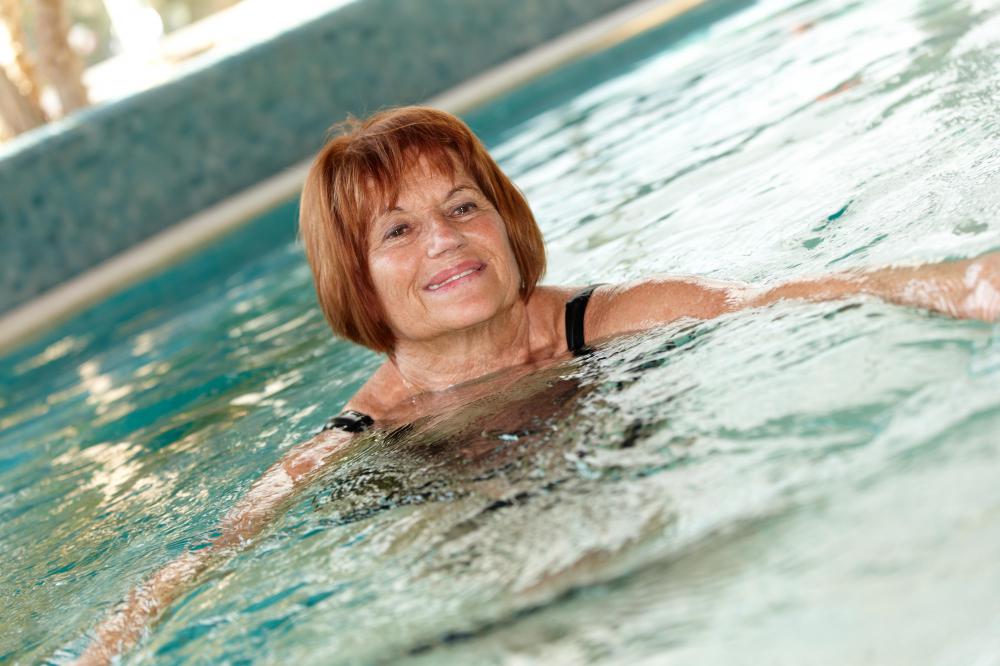
![For the most part, swimming after eating is nothing to worry about.]() By: goodluzFor the most part, swimming after eating is nothing to worry about.
By: goodluzFor the most part, swimming after eating is nothing to worry about. -
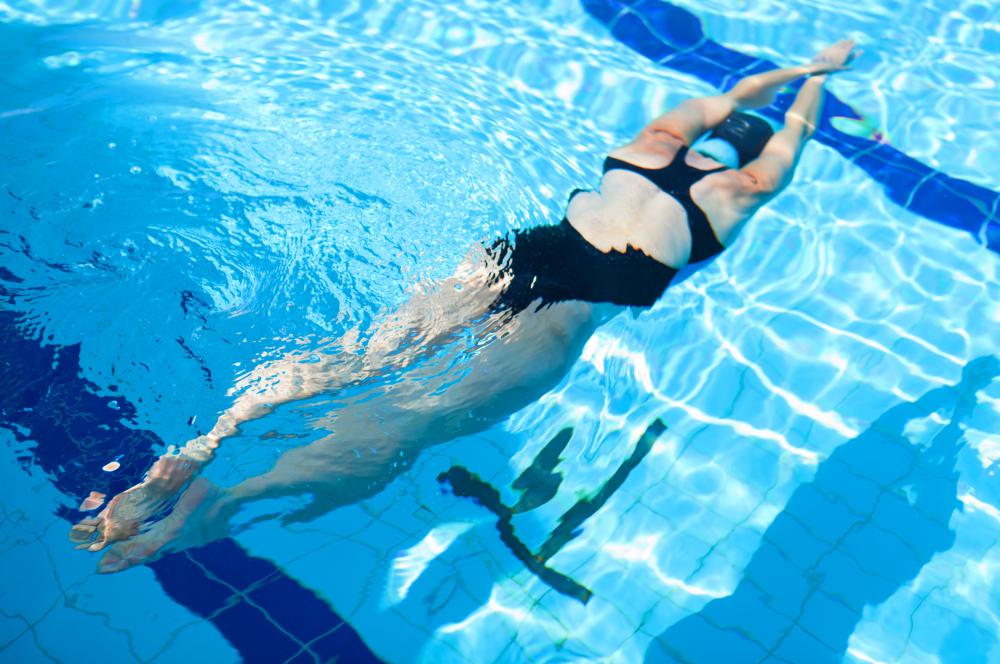
![Light swimming is a good cautious approach to swimming after eating.]() By: nyulLight swimming is a good cautious approach to swimming after eating.
By: nyulLight swimming is a good cautious approach to swimming after eating. -
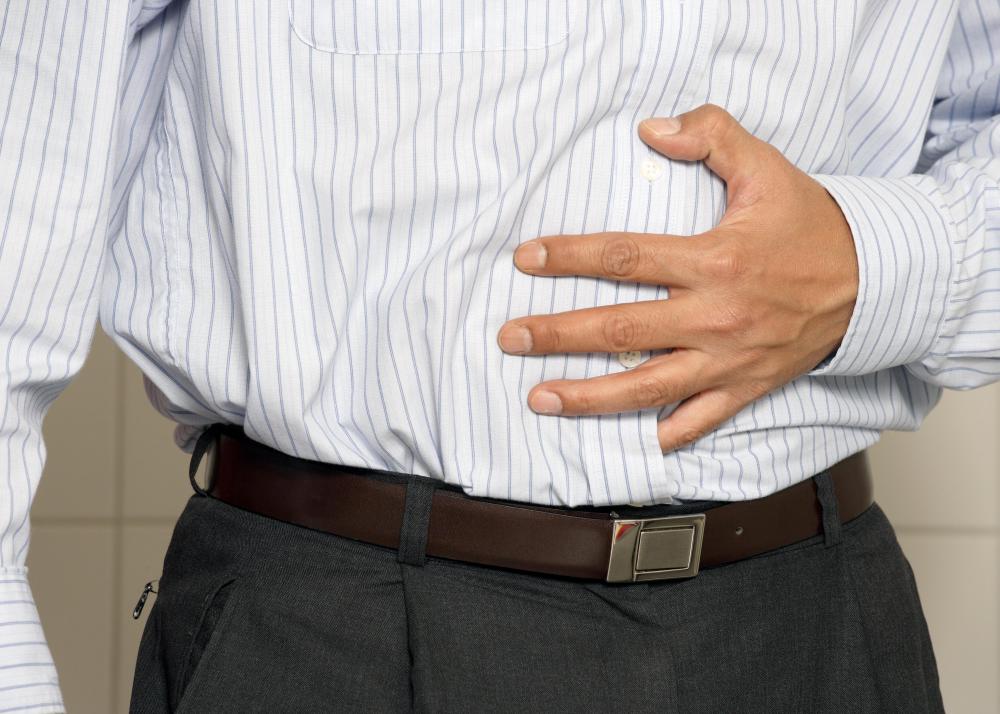
![Foods that linger in the stomach may cause stomach cramps.]() By: sumnersgraphicsincFoods that linger in the stomach may cause stomach cramps.
By: sumnersgraphicsincFoods that linger in the stomach may cause stomach cramps. -
![Going swimming after eating is unlikely to lead to dangerous cramping.]() By: JackFGoing swimming after eating is unlikely to lead to dangerous cramping.
By: JackFGoing swimming after eating is unlikely to lead to dangerous cramping. -
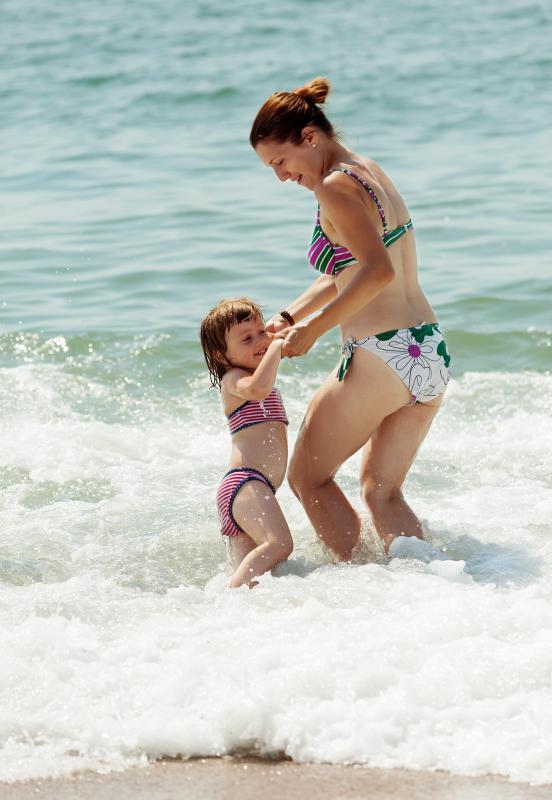
![Going for a vigorous swim after a very large meal may cause vomiting and cramping.]() By: ElinaManninenGoing for a vigorous swim after a very large meal may cause vomiting and cramping.
By: ElinaManninenGoing for a vigorous swim after a very large meal may cause vomiting and cramping.

Discussion Comments
To those comparing it to drunk driving: that's crap. Yes, many have driven while intoxicated without any problems. No, this does not mean drunk driving is fine. However, it is a false analogy. No people have drowned because of having eaten just before having a swim. None. At all. While plenty have driven when intoxicated without encountering any problems, many have. They have had problems with severe consequences.
But no drowning ever has ever been attributed to having eaten just before. Also, most doctors will agree that there's nothing to worry about. Who came up with it, then?
A myth can easily be identified by the numbers of variations. What is it that makes you drown? It depends on who you ask. Some will say cramps, while others will mention blood pressure or body temperature. Some in the comments mentioned vomiting underwater (which would still mean water in the lungs, by the way, anon195154). Others still talk about long-term effects like cancer (I mean seriously?).
Whatever it is, it won't happen if you wait an hour. In the US, that is. In Belgium it's half an hour. In Switzerland it's two hours. In Cuba, it's even longer: three hours.
So people of Cuba, let it be known that all over the world people are swimming without waiting that long, and are experiencing absolutely NO consequences. All in all, this is even more stupid than the 'vaccines cause Down syndrome' myth.
I so believe this so-called myth. I never really followed it growing up, but I just came from vacation where a little girl drowned, and apparently she and her family ate at the buffet and then she jumped in the water right after. Well she was swimming with the other kids playing who could hold their breaths longer, when one of the kids realized that she was down for a long time.
When they pulled her out they thought she had drowned and started doing CPR. She did throw up a lot of food but she was still unresponsive. Needless to say, the girl did not make it. The hospital stated that no water was found in her lungs. She apparently threw up while in the water and choked. What a tragedy that could have possibly been avoid if she had waited to go swimming.
Some people here give dangerous advice. It's like saying that you have been drunk driving many times and you never crashed. That's quite possible. In fact, most people who drink and drive have not crashed. But the chance to crash increases every time, so it's common sense to say you should not drink and drive.
I was brought up in Switzerland and it was taught in schools and in public swimming pools to wait two hours after a full meal. Now two hours is a safe number. Of course, many factors can influence that. How fit are you? Just how much have you eaten, etc. If one hundred average swimmers eat a full meal and then swim out in a lake, maybe one will drown. Maybe more, maybe less. It definitely makes you a lot weaker in the water.
It is very wise advice (especially for children). Don't swim with a full stomach!
I am not a good swimmer and have always eaten after swimming because I felt hungry. If it was such a big deal why would they have fish and chips and ice-creams inside the local pools?
Maybe people should learn how to swim.
OK who am I? I am a nurse who has been brought up in a very little island where we spend 100 days per year on the beach. Don't, don't do it. No swimming after eating in the sea and in the swimming pool.
I cannot believe that you are saying that it is not dangerous. Some parents can take your assertion for granted and let their kids in the water after eating. I saw three people dying for this reason and guess what? they all were tourists.
I saw myself this lady (tourist) who had a panini on the beach and just jumped for a little swim. I wanted go and tell her to wait at least 80 mins but she would have told me to go and screw myself. Guess what again? She died just in front of her little daughter. Stop giving stupid advice to people.
I just thought of going swimming after eating a green apple, and avocados with low fat milk, but even though i believe i would not die if i swim right now. I'm still shocked and scared of the fact that there are people died of swim after eating. what the heck, right? huh
I have always been told about not swimming after eating I am no doctor but still think it is better to wait. It sounds like "Brad" grew up in a nasty house since he knows how they eat.
If you were any kind of active person you would know that when you do any kind of activity that's not a routine activity, blood flows more to the arms, legs or what ever part of the body being worked. Same as for when you eat your exercising your stomach. You get the picture?
Everybody knows a story about something, but isn't that just the exception rather than the norm? Do you know just that one story of drowning or have you heard of many stories, personally?
We need to be careful to not confuse an exception with the healthy norm and spread moral panic that way. We all want to sound interesting and give our opinions on something, but we should make sure that we are objective about it and not demand that everybody pay attention to that one exception.
I'm a pediatrician and an avid swimmer and it's a load of crap. Sure, avoid swimming a hundred yards out into the ocean after you eat where it will be hard to get to shore if you have an incapacitating cramp or start vomiting. But the odds of developing stomach problems so severe and so abruptly that you can't get the the side of the pool are nil.
My cousin swam in the pool after eating a huge meal. He got a cramp, apparently, and touched the bottom of the pool. His lung collapsed and he was pronounced dead two hours after that.
I guess it depends on the individual, but after witnessing this, I can assure you that I will keep my kids out of the pool at least half an hour after eating. I'm not going to risk losing them over losing half an hour of swim. But that's just my opinion.
how about a few MD's weighing in on this subject?
I've always swam after eating, even at a young age. I never had a stitch, cramp or the feeling of throwing up. I've even done it while on rides at the amusement parks. I might just have a stronger stomach, but all the same I don't think there's a real problem with it if you're careful.
This article and Snopes' are recklessly misleading. The danger is not from a simple cramp or even a side stitch, but as another poster mentioned, vomiting or regurgitation. This can occur in the horizontal swimmer as a result of a simple cough or that painless stomach spasm that, were the swimmer standing, be dismissed as a burp After the regurgitation, aspiration, choking, and drowning.
I have come quite near to this happening to me many times as I am a long time lap swimmer and scuba diver. This, I am convinced, is the major cause of unexplained drownings. The worst stomach contents are alcoholic beverages since they weaken control over the gag reflex. Also dangerous are sweet drinks, sweets and carbonated beverages. Anything in your stomach can be "burped up," and no matter how good a swimmer you are, you will be at risk of being immediately incapacitated.
I stopped at Sonic for a fat and juicy supersonic cheeseburger, large fries, and medium slush. After eating that I went to the pool for my regular 30 laps of freestyle and breast stroke swimming.
Not only couldn't I do 15 laps, but I felt extreme unease that included imminent vomiting, vertigo, and just not being able to stand up at all. I had to sit down for quite a while before feeling better. Call that a myth.
The only danger in swimming right after eating is if you don't know how to swim. Otherwise, there is absolutely nothing wrong with it. The thought goes that your blood supply is being shunted away from vital organs down to your stomach and intestines to help digest all the food. In reality, there is plenty of blood to go around and it's not going to cause any kind of danger in going right to swimming afterwards.
As a 10 year old child in the midst of a swimming lesson in a safe pool, I witnessed a girl approx the same age as myself, vomit up rice pudding and subsequently choke and drown.
She died. Right before my eyes.
I do not think it is a myth to not swim directly after a meal. I think it is wise.
Great point Brad! I had one of those summer complaints a year or two ago, and I can personally attest that the last thing I would have wanted to do was swim! Tricia E-C
I get a kick out of the attention the old tradition of not swimming right after a meal gets! The reason to wait is not because swimming causes cramps, it's the spoiled food that people always ate in the old days. The doctors in the 1800's called it "summer complaint". Hot weather + unrefrigerated, unpasteurized milk + under cooked chicken + warm potato salad = bad day at the beach! -Brad
Post your comments