
At DelightedCooking, we're committed to delivering accurate, trustworthy information. Our expert-authored content is rigorously fact-checked and sourced from credible authorities. Discover how we uphold the highest standards in providing you with reliable knowledge.
Is Alligator Meat Good for You?
 Michael Pollick
Michael Pollick
Michael Pollick
As far as meats go, alligator is usually considered to be relatively healthful. It is generally quite lean, and contains almost no saturated fat; it is also high in a number of essential vitamins and minerals. Meat from alligators may have more calories per serving than more “traditional” choices like beef or chicken, but many still view it as a healthy alternative because of how those calories are accounted for, in most cases through protein rather than fat. Tail meat is often considered the best from a nutritional perspective, followed by steaks cut from the body and feet. A lot depends on preparation, but alligator meat is usually a good choice for people looking for a low-fat, health-conscious dish.
Calories and Cholesterol

People looking only at calorie count might be tempted to pass on alligator, but health experts usually recommend taking a more comprehensive view since calories are just one way of assessing of whether or not a food is good for you. Not all calories are created equal, either. A chicken breast, for example, may be low in calories but derive nearly all of them from fat; an alligator steak of the same size might have a higher count, but take the bulk from dense muscle protein. Choosing the meat with more calories might seem less healthful, but could actually deliver superior nutrition.

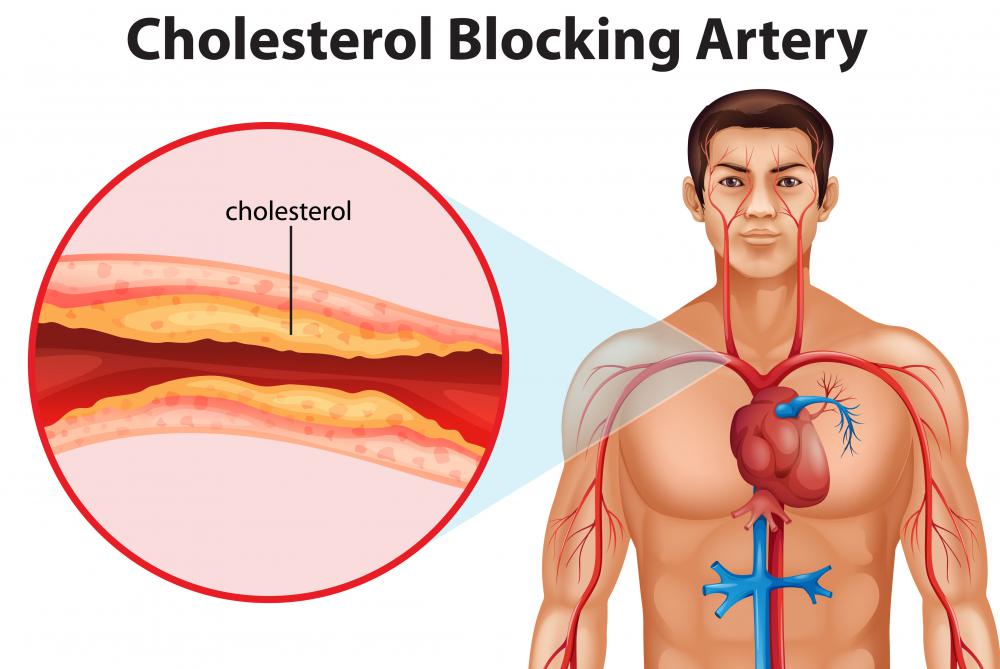
Alligator is typically a very lean meat, making it low in cholesterol in most cases. Cholesterol is a blood molecule that can be harmful in large quantities, as it can clog arteries and make it difficult for the heart to function properly. Most foods that are low in fat are also low in cholesterol, and for this reason alligator is often considered a “heart-healthy” food.
Vitamins and Minerals

Another way to judge whether a particular kind of food is good for you is to evaluate the vitamins and minerals it contains; alligator meat has quite a few, including potassium, iron, and vitamin B-12. It is very high in protein and dietary fiber as well.
One thing that alligator doesn’t contain is omega-3 fatty acids. Most fish contain these helpful “good” fats, and many shellfish do, too. Manufacturers often market alligator as seafood, but this doesn’t mean that its nutritional make-up is the same as other things in this category.
Differences Based on Cut

The specific nutritional composition of alligator can vary somewhat depending on the part of the body at issue. Most experts believe that meat from the animal’s thick tail is the best for you, since it is made primarily of packed muscle tissue. Alligators use their powerful tails to propel them through the water, and the meat from this region is contains virtually no fat. Cuts taken from the torso tend to have more fat by weight, and meat from the feet (or “wings” as they are often called commercially) tends to be densely fibrous, which can make them tougher and more difficult to digest. For the most part, though, all parts of the body have basically the same nutritional composition.
Animal Diet Considerations
Exactly how good alligator is for you can also be determined in part by how well the animal ate while it was alive. In the wild, alligators tend to eat a diet primarily of fish, shellfish, and small animals that live in or near wetlands. As such, their diet is high in protein, and their muscles dense and full of useful nutrients. Alligators that are raised on commercial farms, by contrast, are often fed a mixture of grains and processed foods. Animals with a more carbohydrate-heavy diet tend to build more fat stores, and may not produce as many vitamins and minerals as they would if they ate more protein. Farm-raised alligator is still usually considered good for you, it just isn’t always as good as its wild-caught counterparts.
Importance of Preparation
Of course, how good or bad something is for you in many ways depends on how it is prepared. Sauteing an alligator steak in butter or frying nuggets in oil will likely negate some of the meat’s healthful attributes, just as pairing fillets with fatty sauces and condiments can make an otherwise low-fat meal highly caloric. The meat is usually best able to pack a nutritional punch when it is only lightly prepared. It can be cooked or grilled with only seasonings and herbs, or marinated with vinegar, juice, or low-fat dressings. In most cases, the simpler the presentation the better it is for you. Food purists also favor light presentations as the best way to showcase the meat’s natural flavor.
Commercially-packaged alligator often has a number of preservatives added to help it retain its shelf life, color, and taste, many of which come in the form of chemical additives. While these don’t necessarily make the meat bad for you, they can change the nutritional composition, particularly as relates to salt content. Alligator is usually relatively low in salt, or sodium as it is called chemically, so adding a few pinches in isn’t usually a major concern; high sodium has been linked to cholesterol and other blood problems, though, and many people are wary of consuming too much.
Comparison to Crocodile
Many people confuse alligators and crocodiles since the two animals look very similar, and though they are related biologically, they are different in a number of key respects. In terms of nutritional profile, however, the meats of both are basically the same. Crocodile meat is often slightly higher in sodium, but usually has the same low-fat, high-protein characteristics of its alligator counterparts.
Michael Pollick
A regular DelightedCooking contributor, Michael enjoys doing research in order to satisfy his wide-ranging curiosity about a variety of arcane topics. Before becoming a professional writer, Michael worked as an English tutor, poet, voice-over artist, and DJ.
Learn more...
Michael Pollick
A regular DelightedCooking contributor, Michael enjoys doing research in order to satisfy his wide-ranging curiosity about a variety of arcane topics. Before becoming a professional writer, Michael worked as an English tutor, poet, voice-over artist, and DJ.
Learn more...AS FEATURED ON:
AS FEATURED ON:


-
![Slices of alligator meat.]() By: fsfxSlices of alligator meat.
By: fsfxSlices of alligator meat. -
![An alligator.]()
An alligator. -
![Alligator is relatively low in salt content.]() By: uwimagesAlligator is relatively low in salt content.
By: uwimagesAlligator is relatively low in salt content. -
![Alligator meat is typically lean, and low in cholesterol.]() By: blueringmediaAlligator meat is typically lean, and low in cholesterol.
By: blueringmediaAlligator meat is typically lean, and low in cholesterol.



Discussion Comments
I tried alligator bites as a challenge from friends when we discovered them on the menu at a local restaurant I fell in love with them. Surprisingly read here that they have good nutritional value.
Would you really eat this "dirty meat"? My perception is that alligator meat is neither natural to eat, nor does it seem 100 percent safe.
I live near Ottawa, Ontario, Canada. I was able to purchase imported, frozen alligator meat from an organic and exotic meat supplier called Bearbrook Farm, in Russell, Ontario. Louisiana Premium Seafoods Inc. is the distributor of the product. The meat was surprisingly delicious. I made 'gator nuggets out of it. It was tender, sweet and mild flavored. I didn't detect much of a fishy taste, and its texture was like veal. I could eat this often. It really is a delicious meat.
What's the moisture content in alligator meat? Is there blood at all or is it a dry meat like fish?
@fify-- I think you should give it a chance. It's quite good and it would be perfect for you because it's so lean, almost no fat in there. If you marinate it and make steak or shish-kabobs from it, you will not even think of the fact that you're eating alligator meat.
I think it tastes like something between lobster and chicken. It's definitely a unique meat but very healthy and delicious.
It also makes really good fried strips, kind of like chicken strips.
I know people eat a lot of things, but I didn't expect alligator to be one of them. I understand it's a healthy meat but I could never get myself to eat it.
I do have high cholesterol and my doctor is not allowing me to have red meat. I'm looking for alternative meat sources I can have that won't raise my cholesterol. If I wasn't so picky about what to eat, I would have considered alligator meat. But I'm afraid it won't go down well with me.
@anon284554: The Grand Bayou restaurant in Paris, ON, serves alligator steaks for $10.25.
Where in Canada on branford would you buy croc or alligator meats?
Don't eat a croc. They are too chewy.
Does croc meat taste the same as alligator?
@alex94: I am originally from Louisiana and my family cooked alligator about twice a year. We also grilled it, but not as patties. My mom used a little trick for taking the “gamey” taste out of the alligator before grilling. She marinated with milk. Here is one of her recipes: 4 alligator steaks, 1 ½ cups milk, 1 tsp. black pepper, ¼ tsp. cayenne, 1 tbsp. rosemary, and 1 ½ tsp. red pepper.
Pour the milk in a bowl and add the rosemary and red pepper. Season the meat with the cayenne and black pepper. Place your seasoned meat in the bowl and then add your milk marinade. Let it marinate for about 3 hours.
After you remove the meat from the marinade, discard the rest of it. Pat your meat dry with a paper towel. Add a little more black pepper (and red pepper if you like). Brush the steaks with olive oil and put on the grill. It only has to cook for about 10 minutes on each side.
We have friends in Louisiana and every time that we visit, we are in awe of the scrumptious meals that they cook. Alligator is one of their favorites and I actually enjoyed it. They ground the alligator meat up and made patties out of it and then grilled it just as you would a hamburger. It was really delicious.
Many people have compared alligator meat to chicken. I don’t think that it taste much like chicken. I think that it could compare more closely to catfish or tilapia. It has a mild flavor that can be affected easily through spices. It is an excellent source of protein.
It is usually sold frozen as steaks, ribs, or filets. The steaks are usually taken from the tail. That is where the whitest and most tender meat is found on an alligator.
"Almost all alligator meat sold today is produced in commercial alligator farms along the southern coast of the United States or in other countries with large alligator populations, such as Australia."
Australia doesn't have alligators. We have crocs. Alligators know to stay away from this continent. The crocs here are vicious.
Post your comments