
At AllThingsNature, we're committed to delivering accurate, trustworthy information. Our expert-authored content is rigorously fact-checked and sourced from credible authorities. Discover how we uphold the highest standards in providing you with reliable knowledge.
In Aquariums, How Do I Use Almond Leaves?
Almond leaves, also called Indian almond leaves (IAL), are used in home aquariums as a water conditioner. Their benefit remains unproven scientifically, but many fish keepers claim they are good from their fish. Almond leaves are said to be beneficial for the betta, also known as the Siamese fighting fish, by adding substances called tannins to the water. Anecdotal evidence suggests that these tannins improve the habitat by making it more brackish, which is to a betta’s liking and mimics its Southeast Asian home waters. Almond leaves also are said to speed healing, encourage better health overall and promote optimum spawning conditions.
The tannins from almond leaves will change the acidic level in the tank, lowering it to a range that bettas prefer and thrive in. This natural substance can block fungus growth and strengthen a betta’s immune system. Tannins can also be introduced into an aquarium by driftwood, and many aquarists who prefer not to change the level of acidity in their tanks will soak the driftwood before placing it in their tanks to remove much of the tannins.

In Asia, bettas are prepped for their fighting displays by exposure to almond leaves. It is believed this exposure prevents serious injury by hardening and smoothing the fish’s scales, preventing another betta from biting hard enough to inflict more serious wounds. The fish are pre-treated with almond leaves for a week, and then treated again after the fight to promote healing after the battle.

Almond leaves are also commonly known as ketapang leaves and catappa leaves. Other types of fish that have been shown to benefit from their inclusion in the fish tank are catfish, rasbora, tetras, discus and dwarf cichlids. Additional benefits include the promotion of more vibrant colors in the fish and healthier fins, plus the discouragement of parasites.
Frequently Asked Questions
What are the benefits of using almond leaves in aquariums?
Almond leaves release tannins into the water, which have antifungal and antibacterial properties, beneficial for fish health. They create a natural environment, similar to the habitats of many tropical fish, and can lower pH levels slightly, which is preferred by certain species. Additionally, they serve as a food source for beneficial microfauna and a hiding place for shy or breeding fish.
How many almond leaves should I add to my aquarium?
The general recommendation is to use one large leaf per 10 gallons of water. However, this can vary depending on the size of the leaves and the desired effect. Start with fewer leaves and observe your water parameters and fish behavior, adjusting as necessary. It's important to monitor the pH and tannin levels to avoid drastic changes in water chemistry.
How do I prepare almond leaves for my aquarium?
Before adding almond leaves to your aquarium, rinse them thoroughly in clean water to remove any debris or contaminants. Some aquarists also choose to boil the leaves for 10-15 minutes to sterilize them and release tannins more quickly. After boiling, let the leaves cool before placing them in the tank, or simply add them directly to the water if you prefer a gradual release of tannins.
How often should I replace almond leaves in my aquarium?
Almond leaves typically decompose over a period of 2-4 weeks, depending on the leaf size and water conditions. Once they start to break down and lose their color, it's time to replace them. Some aquarists leave the decomposed leaves in the tank to serve as detritus for microorganisms, while others prefer to remove them to maintain a cleaner appearance.
Can almond leaves alter the water parameters in my aquarium?
Yes, almond leaves can alter water parameters by releasing tannins that may slightly lower the pH and hardness of the water. This is generally beneficial for species that thrive in soft, acidic environments. It's essential to monitor water parameters regularly with a test kit to ensure they remain within a safe range for your fish.
Are almond leaves suitable for all types of aquariums?
Almond leaves are most suitable for freshwater tropical aquariums, particularly those housing species from blackwater habitats, like bettas, tetras, and dwarf cichlids. They are not recommended for marine or reef aquariums, or freshwater tanks with species that prefer hard, alkaline water, as the tannins released can conflict with the needs of these organisms.
AS FEATURED ON:
AS FEATURED ON:









-
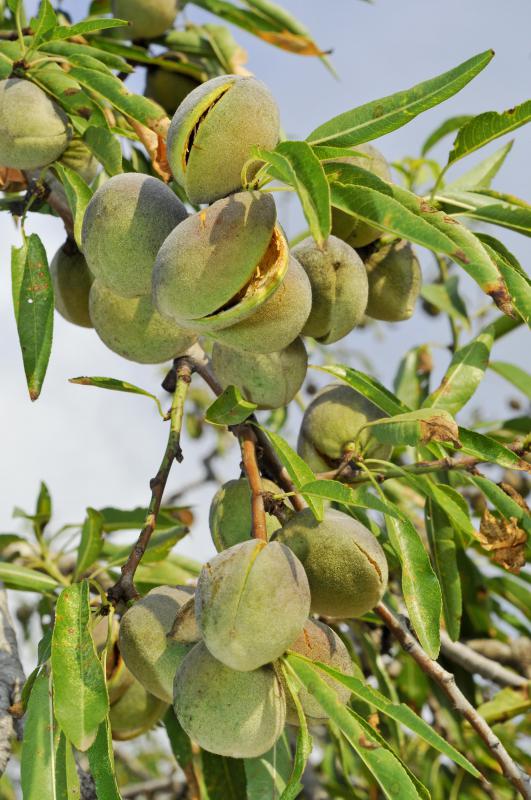
![Almond leaves on a tree.]() By: nitoAlmond leaves on a tree.
By: nitoAlmond leaves on a tree. -
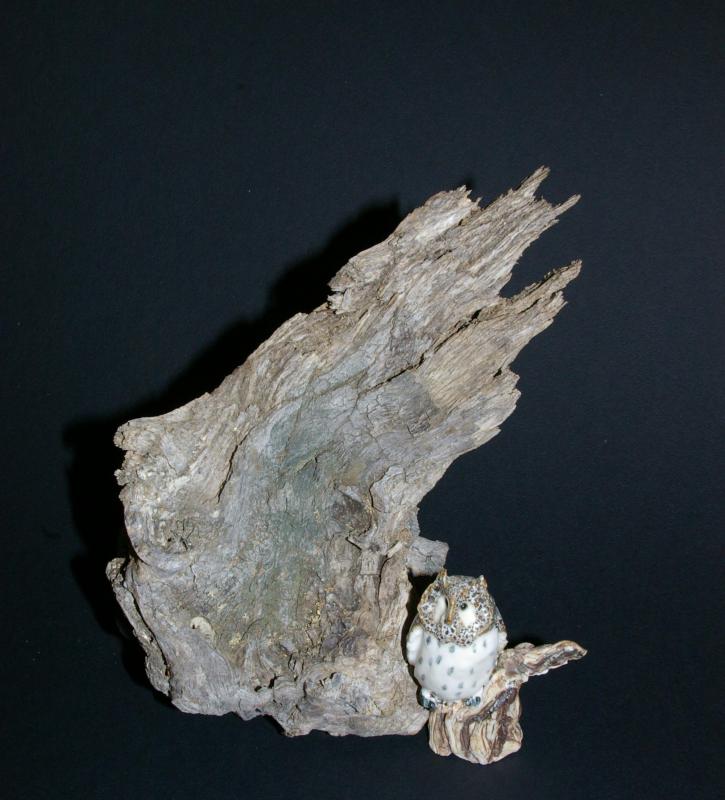
![Tannins can be introduced into an aquarium by driftwood, and many aquarists who prefer not to change the tank's level of acidity will soak the driftwood before placing it in their tanks.]() By: JudyTannins can be introduced into an aquarium by driftwood, and many aquarists who prefer not to change the tank's level of acidity will soak the driftwood before placing it in their tanks.
By: JudyTannins can be introduced into an aquarium by driftwood, and many aquarists who prefer not to change the tank's level of acidity will soak the driftwood before placing it in their tanks.
Discussion Comments
@Laotionne - Short of filling up the fish aquarium with almond leaves and having them soak up all of the water in the tank, I don't think you can get too many leaves in an aquarium. The leaves are not going to harm the fish. I would suggest you start with a couple of leaves and see how much that changes the water color. The more you add, the darker the water will become, so let that be your guide as to when enough is enough.
I have heard that almond leaves can be used as a general antiseptic. They are good for fighting bacteria and viruses in general, so I can understand why fish benefit from having the leaves in the water. However, I am wondering how do you know when you have enough of the leaves in an aquarium. How many leaves are too many? How many are enough?
I'm a novice when it comes to keeping fish and maintaining an aquarium. We got an aquarium at work a few months ago. The office manager said the fish aquarium would be a good tool to help our patients relax when they are waiting. The aquarium is also supposed to help reduce the stress of our employees.
Somehow, I have become the one who actually takes care of the fish and their habitat. Actually, I enjoy this. I have learned so much about fish and the things they need to maintain good health.
One of the first things I learned about taking of a fish aquarium is that you need to maintain the proper pH levels. And one of my favorite ways to lower the pH level when it gets too high is to add a piece of driftwood to the aquarium. This and the almond leaves were two tools I knew nothing about before I started taking care of the aquarium at work. There are so many natural tools you can use to maintain fish aquariums, so that you don't have to depend on harsh chemicals.
Post your comments